



11/12/2025

Share:
11/12/2025
Share:
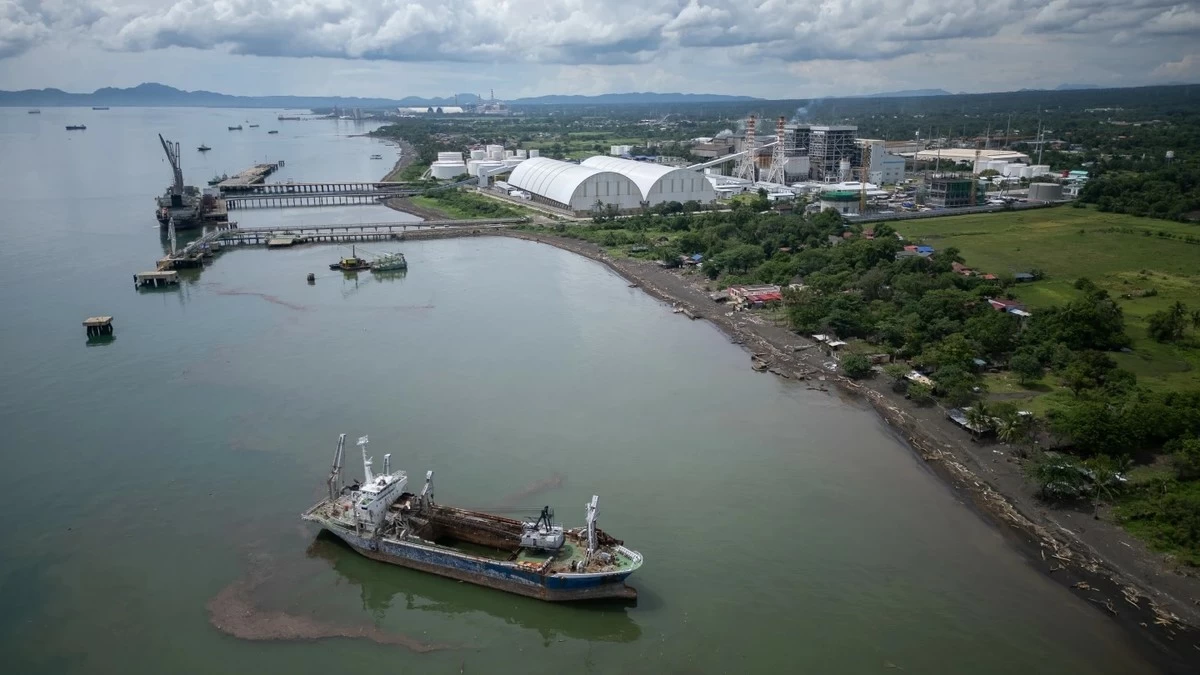

CALACA, Philippines, Dec 11, (AP): The Philippines is testing a new type of carbon credit aimed at encouraging companies to cut their climate warming emissions by creating funds that can be used to turn coal-fired power plants into renewable energy facilities. Called transition credits, they are meant to help pay for phasing out coal use by creating value out of the emissions that would prevent.
The funds would then pay to replace fossil fuel equipment with clean energy gear. Proponents say transition credits could unlock a windfall of investment for the power hungry Asia-Pacific region and speed up Southeast Asia’s transition to renewable energy. But some experts wary of longstanding problems in the carbon market view them as a dead end.
A carbon credit represents one metric ton of carbon dioxide removed or not sent into the atmosphere. Credits are bought and sold on carbon markets by countries and companies trying to comply with emission regulations, meet pollution reduction targets or offset environmental impacts. Transition credits differ because they put a value on prevented future emissions caused by burning fossil fuels, which contributes to climate change.
But integrity concerns plague carbon credit projects around the world. Projects meant to save carbon-absorbing forests have been accused of greenwashing, miscalculations and causing carbon leakage, a term for when companies move to countries with looser emission rules. They've been found failing to deliver on promised benefits to local communities and linked to allegations of human rights violations in Cambodia and an uptick in deforestation in Peru, among other problems.
The credits have pros and cons, like any untested new idea, said Ramnath Iyer, of the United States-based Institute for Energy Economics and Financial Analysis. He calculates that a transition credit could be worth $11 to $52. "There will be challenges and flaws, like in every deal,” Iyer said. "But it’s not like we have a smorgasbord or buffet of climate change solutions to choose from.”
The world will likely overshoot the global goal of keeping Earth's temperatures from warming above 1.5 degrees Celsius. In November, the United Nations failed to negotiate an international road map to phase out fossil fuels at annual climate talks, known as COP30. Emissions are rising as coal is used to meet growing energy demand in the Asia-Pacific region's emerging economies, worsening air pollution.