


24/03/2026

Share:
24/03/2026
Share:
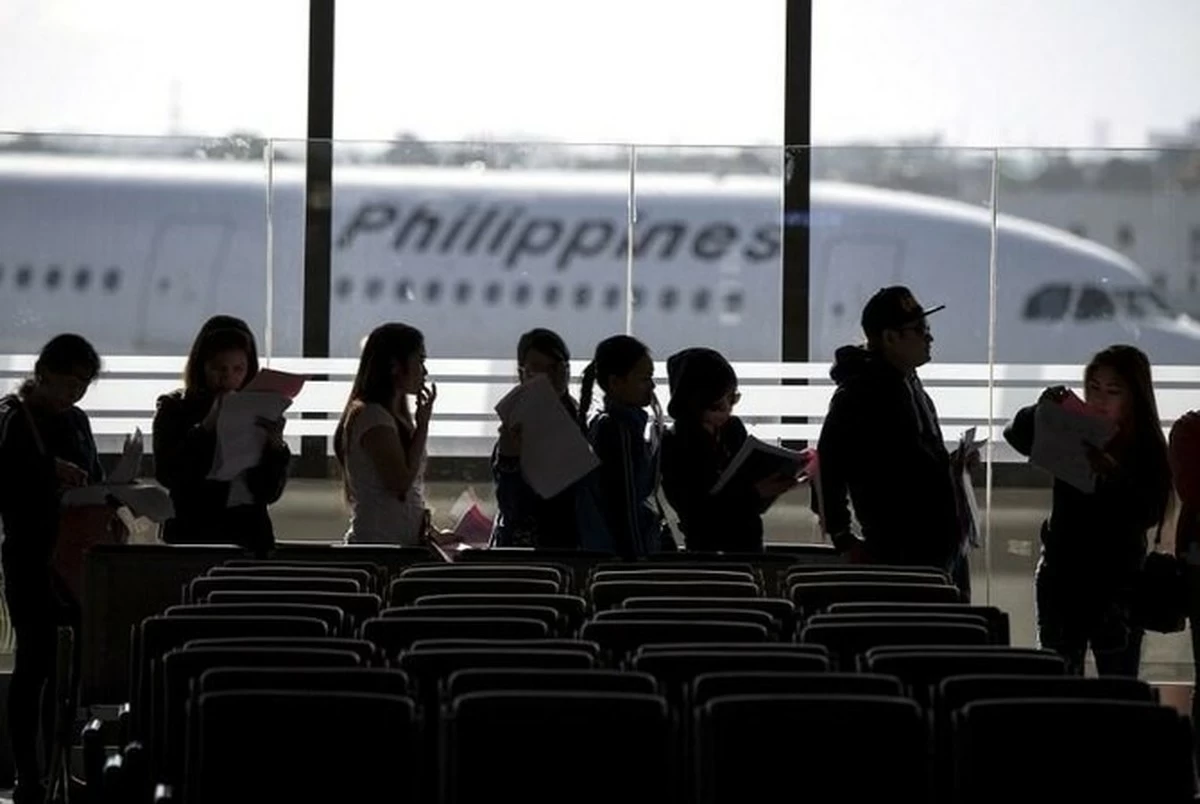

MANILA, March 24: Philippine President Ferdinand Marcos Jr. has warned that grounding commercial planes due to a shortage of jet fuel caused by the ongoing war in Iran is a “distinct possibility.”
“Several countries have already told our airlines they cannot fuel their aircraft, so they have to carry fuel there and back,” Marcos said in an interview on Tuesday. “Long haul is going to be a much more serious problem.” When asked whether planes may inevitably have to be grounded, he added, “We’re hoping not, but it’s a distinct possibility.”
The warning comes as airlines across Asia prepare contingency plans amid what could become the worst oil shock since the 1970s. The Philippines, which relies heavily on imported crude—largely sourced from the Middle East—is particularly vulnerable to energy shortages and rising domestic fuel prices.
Philippine budget carrier Cebu Air announced on Monday that it plans to reduce flights starting next month due to surging fuel costs. In Vietnam, Vietnam Airlines has temporarily suspended some domestic routes, while VietJet Aviation is reducing flight frequency. Bamboo Airways said it aims to maintain peak-period flights but may operate fewer services than last year if oil prices remain high.
Marcos’ comments contrast with a briefing from Energy Secretary Sharon Garin, who said airlines have assured the government that they have sufficient fuel orders. Garin also noted that soaring LNG prices could force the country to rely temporarily on coal-fired power plants, which currently supply about 60% of the Philippines’ electricity.
Garin added that the government is exploring increased coal purchases from Indonesia, but said there are no restrictions on imports and higher purchases may not be necessary. She described the shift to coal as a “temporary measure,” which could begin as early as April 1.
The Philippines, home to 116 million people, faces some of the highest energy costs in the region, making it particularly sensitive to global oil price shocks.