



09/05/2026

Share:
09/05/2026
Share:

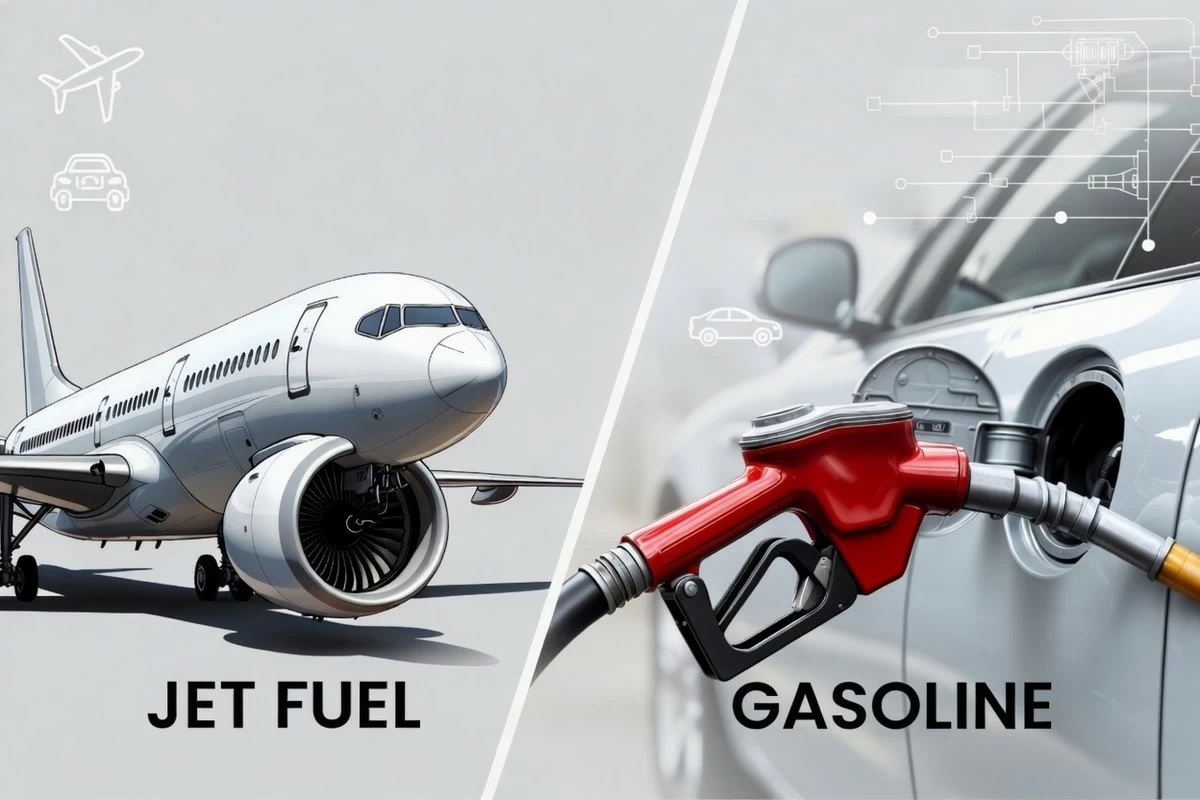
Consumers in the United States are facing two challenges: high motor gasoline prices and high jet fuel costs. Both products are essential for the summer travel season, yet both are currently recording high prices with little relief in sight. Meanwhile, the Arabian Gulf is closed, with no crude oil, refined products, or gas exports, leading to a shortage of important energy supplies during this critical time of year. This situation is contributing to flight cancellations and disruptions that could potentially create chaos in the global travel industry during its peak season.
Asia and Europe are also losing refining capacity, estimated at around 2.2 million barrels in March and 4 million barrels in April.
At the same time, reduced output of refined products in the Middle East, including jet fuel and gasoline, is causing panic during peak travel demand. With no way of replacing them while the Arabian Gulf remains closed and almost all Gulf refineries are shut down, product prices continue to rise to higher levels. Consumers are searching for any available supply, regardless of source. We do not know when the oil market will return to normal or how long oil-producing countries will remain without income and cash flow.
As we enter the third month without revenue, losses are estimated at around $2 billion per day. Fortunately, most Gulf countries have sufficient funds and cash reserves available. Alternatively, they can resort to borrowing from international banks or engaging in cash swaps, which means borrowing money today and repaying it after a set period, such as three months, usually with a premium or interest depending on the duration and terms of the agreement.
These arrangements are often backed by underground oil reserves, as well as domestic refineries that can generate higher value than crude oil alone. In some cases, refining can add more than $10 per barrel in value, depending on the refinery type and configuration, particularly those optimized for lighter products such as gas oil, diesel, and jet kerosene, which can yield higher profit margins. Such types of refineries exist in Kuwait, particularly the modernized Al-Zour refinery, with a capacity of 615,000 barrels per day. It provides some of the world’s most advanced petroleum products.
Of course, Kuwait had to build a highly advanced unit to produce refined products that meet global standards from heavy, high-sulfur crude oil. This reflects the challenge and what is required in today’s petroleum industry. Kuwait is well known in the oil industry for its refining sector, which is a core part of its operations. It owns six refineries - three domestic and three through joint ventures in Oman, Vietnam, and Italy. Its refining history dates back to the early 1960s, making it one of the first in the Arab Gulf region. Kuwait is also the only OPEC member with investments in and ownership of three refineries abroad, supplying gasoil and jet fuel worldwide to meet consumer and airline demand.

Kamel Al-Harami