



15/05/2026

Share:
15/05/2026
Share:


WEST BANK, May 15: Millions of Palestinians around the world marked Nakba Day on May 15, commemorating the 78th anniversary of what Palestinians describe as the “Nakba” or “catastrophe,” referring to the displacement of an estimated 750,000 Palestinians during the 1948 war surrounding the creation of the state of Israel.
The observance, formally designated Nakba Day in 1998 by late Palestinian leader Yasser Arafat, has long been used as a focal point for protests and remembrance, even before its official recognition.
In the Gaza Strip, where more than two million people live in a densely populated area along the Mediterranean coast, this year’s commemoration comes amid ongoing conflict, marking the third Nakba Day observed since the latest Gaza war began.
In the northern West Bank, tens of thousands of Palestinians remain displaced after Israeli military operations targeted refugee camps, with many communities now entering their 15th month away from their homes.
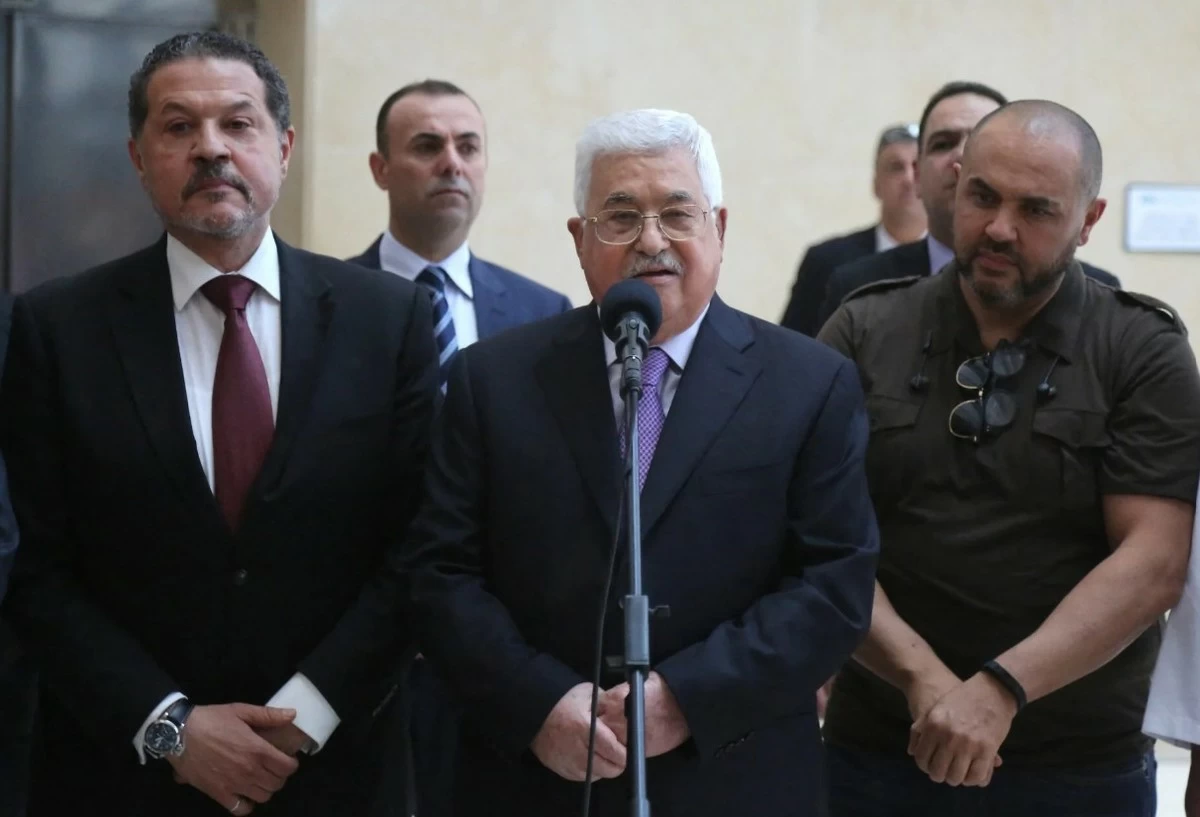
Alongside the commemorations, political developments within the Palestinian leadership have drawn attention to possible succession dynamics within the Palestinian Authority.
Reports and official statements have fueled speculation that Yasser Abbas, the son of Palestinian Authority President Mahmoud Abbas, is being positioned for a greater political role despite holding no formal office within the Palestinian Authority.
Recent official communications have described meetings between Yasser Abbas and senior Palestinian officials, including the head of the Palestinian police, the governor of the central bank, and the leadership of the pension authority. He has been referred to in some statements as a “special presidential envoy,” though no formal public appointment has been announced by the presidency.
The developments have sparked criticism among Palestinian commentators and anti-corruption groups, including calls for clarification from the independent watchdog Aman, which questioned the transparency of the designation.
Critics argue that the increasing visibility of Yasser Abbas within official circles reflects broader concerns about political succession within the Palestinian Authority, particularly given President Mahmoud Abbas’s age and the absence of elections for nearly two decades.
Analysts say the situation could intensify internal debates within Fatah, the dominant political faction in the Palestinian Authority, as it prepares for leadership reshuffles through party structures.
Yasser Abbas, a businessman with interests in telecommunications, contracting, and finance, has largely lived outside the West Bank in recent years but has occasionally participated in diplomatic and political meetings linked to Palestinian Authority activities.
Some observers suggest that his growing presence in official meetings may reflect efforts to position him within Fatah’s internal leadership structure ahead of potential future transitions, although others caution that the move could face significant political resistance within Palestinian society and factions.