



09/07/2026

Share:
09/07/2026
Share:
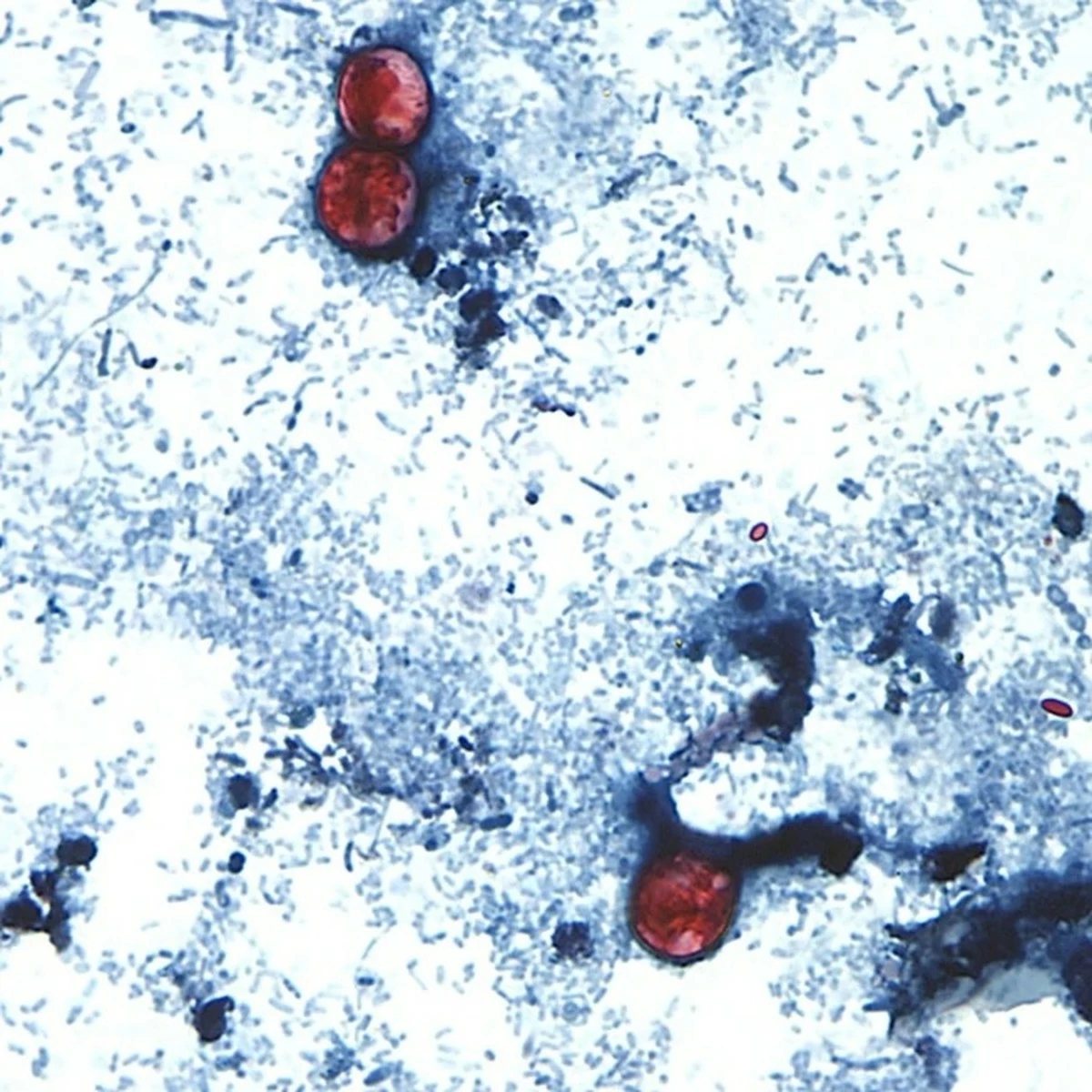

NEW YORK, July 9, (AP): Nearly 1,000 people in Michigan have been diagnosed with a parasitic infection that can cause weeks of watery diarrhea, making it the largest such outbreak in state history and one of the nation’s largest in years. No deaths have been reported and the source of the cyclospora infections hasn't been identified.
Meanwhile, investigations into similar illnesses have been going on in 28 other states, including in Ohio, where people just across the Michigan border are also becoming sick. Michigan officials first announced the outbreak last week, when they were aware of more than 170 cases - all in the southeastern corner of the state - since June 22. Michigan usually identifies only about 50 cases each year.
On Wednesday, the state reported the number had grown to 992, including about 40 hospitalizations. Just across the state line, Lucas County, Ohio, reported 306 cases as of Wednesday. Northwest Ohio has seen more than 500 cases. Cyclospora surges can be tricky to investigate, and food poisoning sources can be hard to establish.
But "there is clearly a linked outbreak happening right now,” Dr. Natasha Bagdasarian, Michigan’s chief medical executive, told The Associated Press on Wednesday. Here's what to know about the current situation: Cyclospora is a microscopic, spherical parasite that commonly causes watery diarrhea "with frequent and sometimes explosive bowel movements,” according to the US Centers for Disease Control and Prevention.
The illness, called cyclosporiasis, is not usually life threatening and is typically treated with antibiotics. Outbreaks tend to occur most often in the late spring and summer. The heat-loving parasite infects the bowels and spreads through feces. In the past, people have been infected by consuming fruits or vegetables that were exposed to feces-contaminated irrigation water.
It’s less common than a number of other kinds of foodborne illnesses, including salmonella and E. coli. For years, few U.S. cyclospora outbreaks were reported each year. But the number started rising about a decade ago, with a particularly notable spike in 2018 and 2019. Experts attribute the increases to climate change and better detection.
Comprehensive data on cyclospora outbreaks is lacking. But available information shows only a small number of documented outbreaks in the last 20 years have surpassed 1,000 cases. That short list includes a 1997 outbreak tied to Guatemalan raspberries that sickened more than 1,000 in the U.S. and Canada, and a 2019 outbreak linked to Mexican basil that sickened more than 2,400.
There are several reasons it's challenging to know the exact toll, said Melanie Firestone, a University of Minnesota foodborne illness researcher. Some tests used to check for types of food poisoning are not geared to detect cyclospora, "so there is a lot of underreporting when it comes to this,” she said.