



28/03/2026

Share:
28/03/2026
Share:
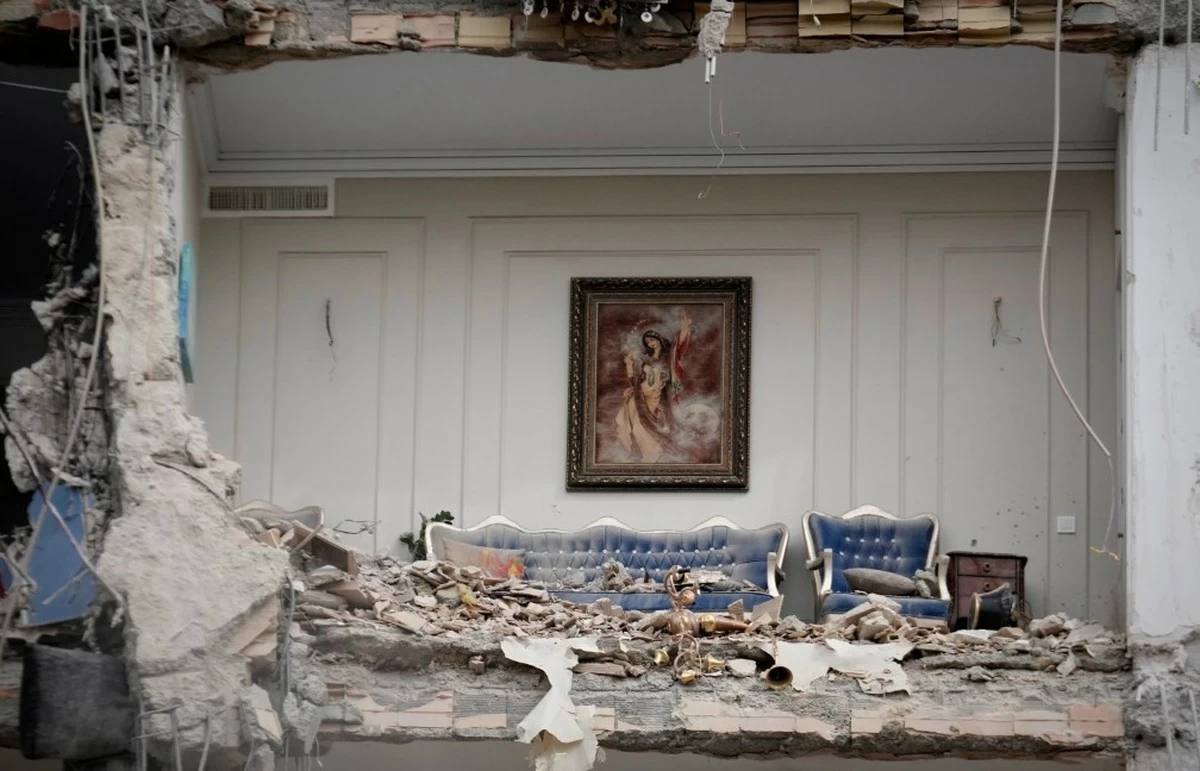
Rubble covers the furniture of a destroyed living room in a residential building hit in an earlier U.S.-Israeli strike in Tehran, Iran, March 23, 2026. (AP Photo/Vahid Salemi, File)

CAIRO (AP), Mar 28: Iranians were already reeling from a shattered economy and the mass killing of protesters when the first U.S. and Israeli bombs slammed into Tehran a month ago.
Now they are struggling to get by through a war with no end in sight, wrestling with lost livelihoods, damage to homes and the stress of explosions. Many wonder where it is leading — to the destruction of their homeland, the chaotic fall of the theocracy or its survival, wounded but more extreme.
“I think we’ve experienced everything bad possible,” said a 26-year-old designer in Tehran, “from the terrible atmosphere of January and the killings and arrests to the war.”
Daily explosions, near and far and unpredictable, shake and damage homes. Businesses are struggling. An unprecedented internet blackout since January has largely cut people off from the outside world and made communication within Iran more difficult.
The trauma of war comes on top of the shock from January, when hundreds of thousands across Iran marched in the biggest protests against the theocracy in decades — only to be met by security forces opening fire, killing thousands. Tens of thousands were detained, and arrests have continued.
The AP spoke to 10 people across Iran, most of whom spoke on condition of anonymity for their security.
Businesses crumbling
The designer, who with a partner runs a factory making leather fashion products, said her business was on the verge of closing.
“When the economy gets bad, nonessential goods are the first thing to be removed from the shopping cart,” she said. Much of her sales are online, and the internet blackout practically reduced “the small sales to zero.”
Since the January protests, she has had to live off her meager savings, and the violence of the crackdown upset her so much she has not been able to return to work.
When the war began on Feb. 28, she moved to her parents’ house. A few days later, the blast from a nearby strike damaged her apartment that she had just left. Like most Iranians, she doesn’t have home insurance, so she will have to pay for repairs herself.
She only leaves her parents’ house to buy necessities.
Trying to track strikes
The terrifying cadence of airstrikes shapes daily life in Tehran.
An engineer living in Tehran tries to find a pattern in strikes – are certain times safer? Recent nights saw explosions light up the skies. One evening, a blast shook his home as he had guests over. They climbed up on the roof and tried in vain to figure out where it hit. “We didn’t see any visible fire,” he said.
He thinks the strikes are less frequent now, or maybe “our perception of it has changed,” as everyone gets used to bombings.
He feels anxious when family or friends go out on the streets, and struggles to sleep. He had a job offer before the war, but does not know if it is still there. Soon, he says, many will struggle with rent and bills.
Government workers, who make up a large part of the workforce, are still getting salaries. But private businesses are struggling to pay employees as they close for days on end or reduce hours.
The collapse of Iran’s currency, largely caused by U.S. and international sanctions over its nuclear program, triggered the protests late last year.