



23/01/2026

Share:
23/01/2026
Share:
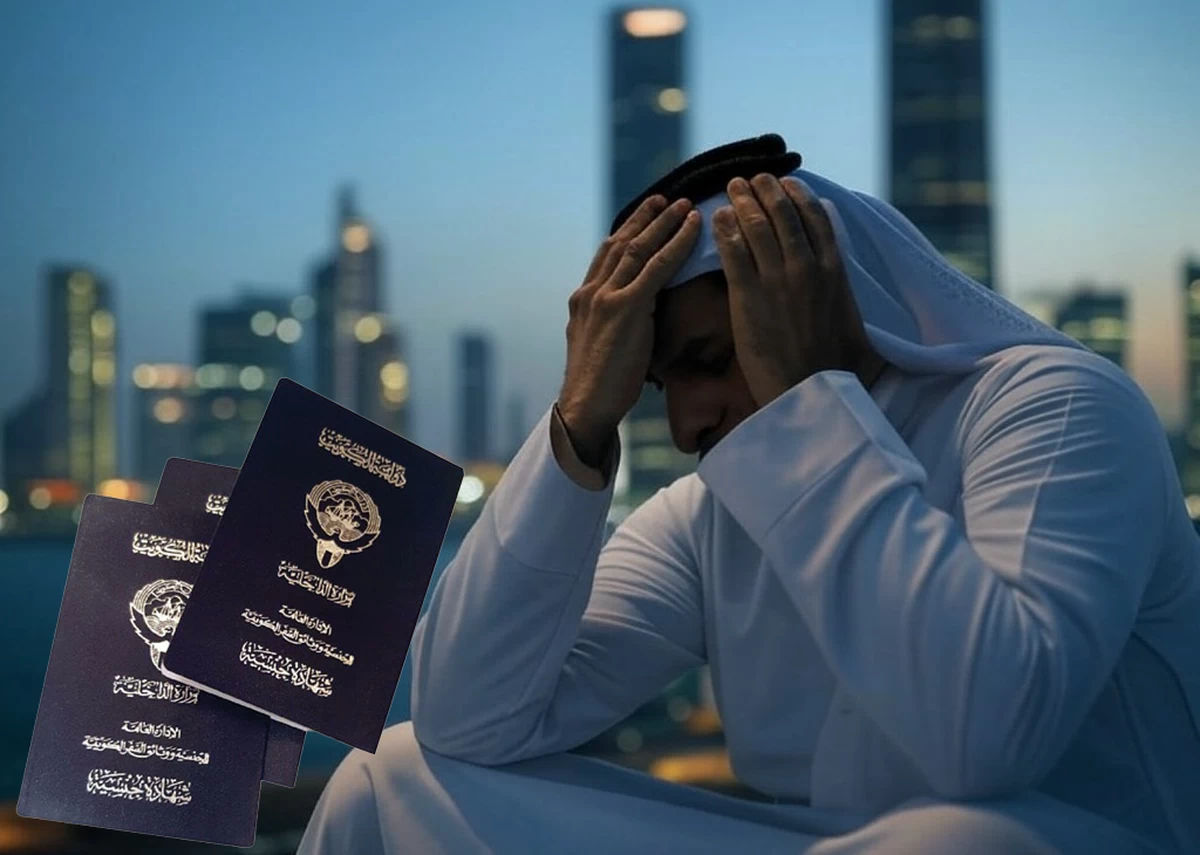

KUWAIT CITY, Jan 23: Kuwait’s Nationality Investigation Department is confronting one of the largest citizenship forgery cases ever uncovered, after authorities identified a single citizenship file containing nearly 1,200 complete dependents, the vast majority of whom were found to be fraudulently registered.
According to informed sources, the file belongs to a man born in the 1930s who obtained Kuwaiti citizenship in 1965 and died several years ago. Investigations revealed that 978 individuals linked to the file were falsely registered, leading to the withdrawal of their nationality, while five others have gone into hiding and are now facing the same fate due to their repeated failure to respond to official summonses.
Sources explained that the deceased was married to six wives and had 44 children, whose registrations were examined individually. DNA fingerprinting confirmed that a number of the children are his biological sons and daughters, while others were proven to be falsely added under different fraudulent claims. The authorities retain a preserved DNA sample of the deceased from a previous official transaction, which has played a decisive role in exposing the scale of the forgery and verifying genuine lineage. The total number of direct children and their extended families — including children and grandchildren — whose citizenship has been revoked has reached approximately 978 people.
Five individuals linked to the file — four women with no dependents and one unmarried man — are currently fugitives and are being sought for DNA testing. With their continued evasion, the Supreme Nationality Committee is considering withdrawing their citizenship based on non-compliance alone. Officials stressed that if any of the fugitives surface in the future, the burden of proof will rest entirely on them, requiring DNA comparison with the preserved genetic sample of their alleged father. Until such proof is presented, their absence and refusal to cooperate place them legally in the category of forgers. Despite the enormity of the case, sources noted that there is no evidence so far that the original file holder himself forged his nationality, even as his file became the foundation for one of the most extensive dependency fraud cases in the country’s history.