


01/09/2026

Share:
01/09/2026
Share:

BANGKOK, Sept 1, (AP): Oil prices climbed further and Asian shares were mixed Tuesday as recurring violence in the Iran war after more than a month with no significant fighting heightened uncertainty over the future of the conflict. Shares in online fast-fashion retailer Shein fell as much as 10% after they began trading in Hong Kong on Tuesday. By midday they were 5% lower. Brent crude gained 0.8% to $91.23 per barrel.
It gained 2.7% on Monday after the US attacked rocket launchers on an Iranian island on Sunday, saying they were preparing to launch mines into the Strait of Hormuz. Iran responded by launching missiles at US sites in Jordan, all of which were intercepted. The war has curtailed traffic in the Strait of Hormuz, which once accounted for about 20% of the world’s oil shipments.
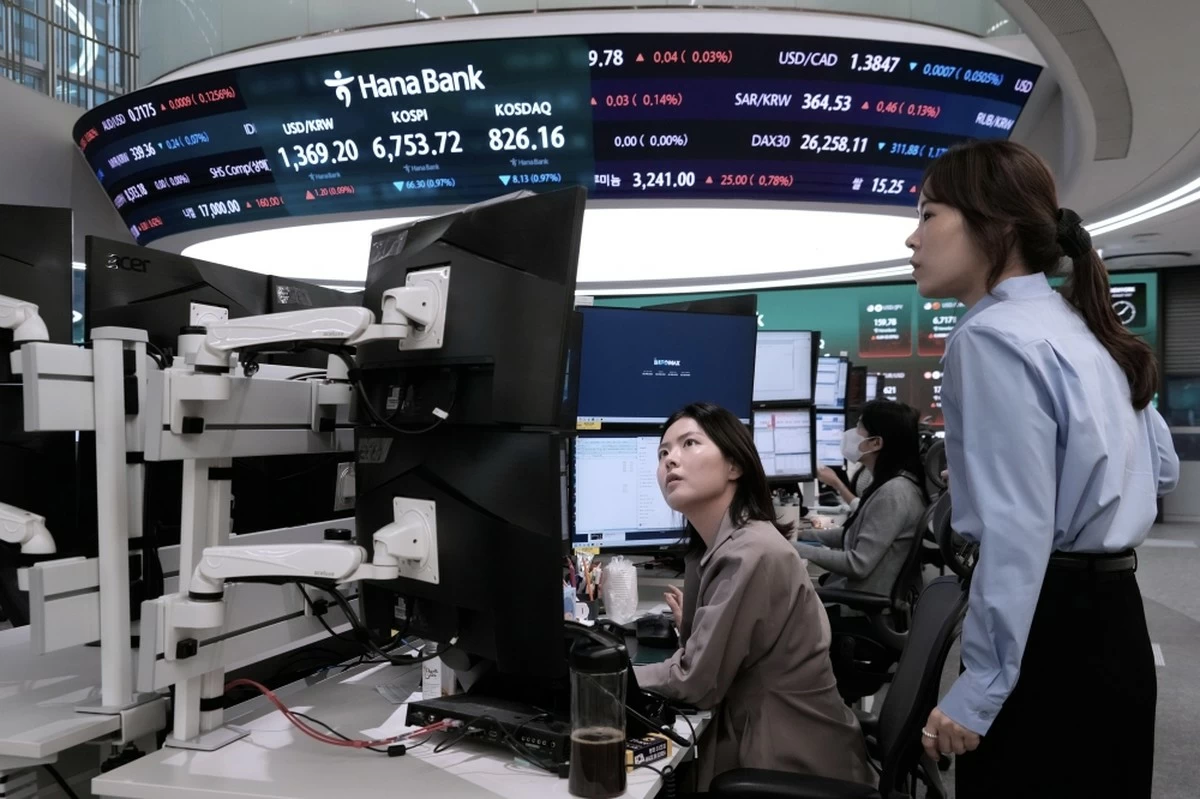
Oil prices remain high after an initial surge earlier in the war, and that has made everything from gasoline to shipped goods more expensive. US benchmark crude was up 1% at $86.62 per barrel. In Asian share trading, Hong Kong's Hang Seng fell 0.9% to 25,332.10 and the Shanghai Composite index was nearly unchanged, at 3,985.93. Tokyo's Nikkei 225 edged 0.2% higher, to 66,420.26, while the Kospi in South Korea added more than 0.2%, to 6,835.51.
The S&P/ASX 200 in Australia slipped 0.1% to 9,066.40. Taiwan's Taiex picked up 0.2% and the Sensex in India gained 0.3%. US futures were 0.1% higher. Wall Street closed out August on a downbeat note Monday as the S&P 500 index fell 0.3%. The Dow Jones Industrial Average dropped 0.7% and the Nasdaq composite slipped 0.1%.
Monday’s losses were broad, with nearly every sector within the benchmark S&P 500 finishing in the red. Edison International slumped 23.1% and PG&E fell 20.1% for the two steepest declines. That followed reports about potential California wildfire legislation that would allow insurers to sue utilities over related claims. But energy stocks notched gains.
Exxon Mobil rose 2.7% and Chevron rose 2.1%. Higher energy prices have fueled already stubbornly high inflation, well above the Federal Reserve's 2% target. That has been weighing on household spending and consumer confidence and given the Fed a more complicated path ahead for its interest rate policy.