



11/10/2026

Share:
11/10/2026
Share:

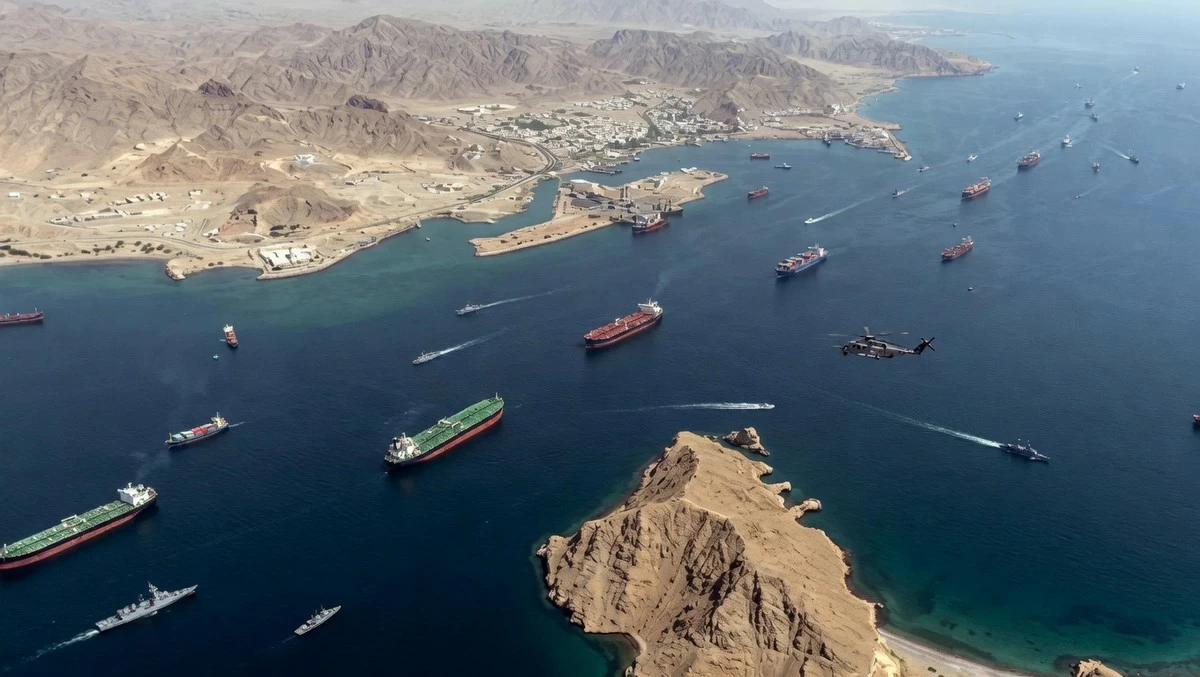
Oil prices are unstable amid uncertainty over safe and normal navigation through the Strait of Hormuz. If the strait is not fully secure, global oil supplies could face disruptions, creating instability in the market as oil-consuming countries rush to replenish their strategic reserves. On the other hand, if the strait remains open to unrestricted navigation, this could help stabilize supplies and ease prices. As things stand, oil prices range from $103 to $119 per barrel, while Arab Gulf oil trades at around $108 per barrel. These levels provide comfortable pricing for oil producers worldwide.
Another factor driving oil prices higher is the growing global demand to rebuild strategic reserves to more comfortable levels. Current stockpiles remain much lower, creating an urgent need to replenish them as soon as possible. This process could take an estimated two to three years to complete. The key question is how freely the Strait of Hormuz is operating. Why do major oil markets remain uncertain about whether the strait is fully open, even as oil tankers continue to sail through the Arabian Gulf? Is navigation unrestricted, or are there still limitations? Does the uncertainty relate to Iran and the closure of its seaports, potentially restricting oil supplies from the Gulf?

Kamel Al-Harami
This would not necessarily mean that supplies from other Gulf producers are unavailable, as most are prepared to provide oil to markets around the world. Another question is whether Russian oil supplies are under pressure, particularly as damage to refineries from sustained Ukrainian drone attacks has reduced Russia’s refining capacity from 5.2 million barrels per day to 4 million barrels per day. Meanwhile, Russian crude oil production has declined from a peak of 9.24 million barrels per day to 8.718 million barrels per day. Could the rise in Urals crude oil prices, now reaching $119 per barrel, help offset some of these pressures? At that level, Urals crude has reached a price higher than other major oil benchmarks, including US WTI, Brent, Dubai, and Oman crude. The rise in Russian crude oil prices is particularly significant given Russia’s strategic position and its proximity to European countries that have relied on Russian oil delivered through pipelines, without much disruptions.
The situation could return to normal if the United States allowed European countries greater freedom to import the oil they need from Russia. Meanwhile, the United States itself continues to import oil from Venezuela, raising questions about the level of oversight applied to the volumes imported, the quantities purchased, and the prices paid. The Congress is not asking this crucial question - How much are US taxpayers spending? Perhaps the explanation is that American consumers continue to see oil fl owing into the market without major shortages. If supplies remain available, why should they be concerned?
By Kamel Al-Harami Independent Oil Analyst email: [email protected]