


19/09/2026

Share:
19/09/2026
Share:

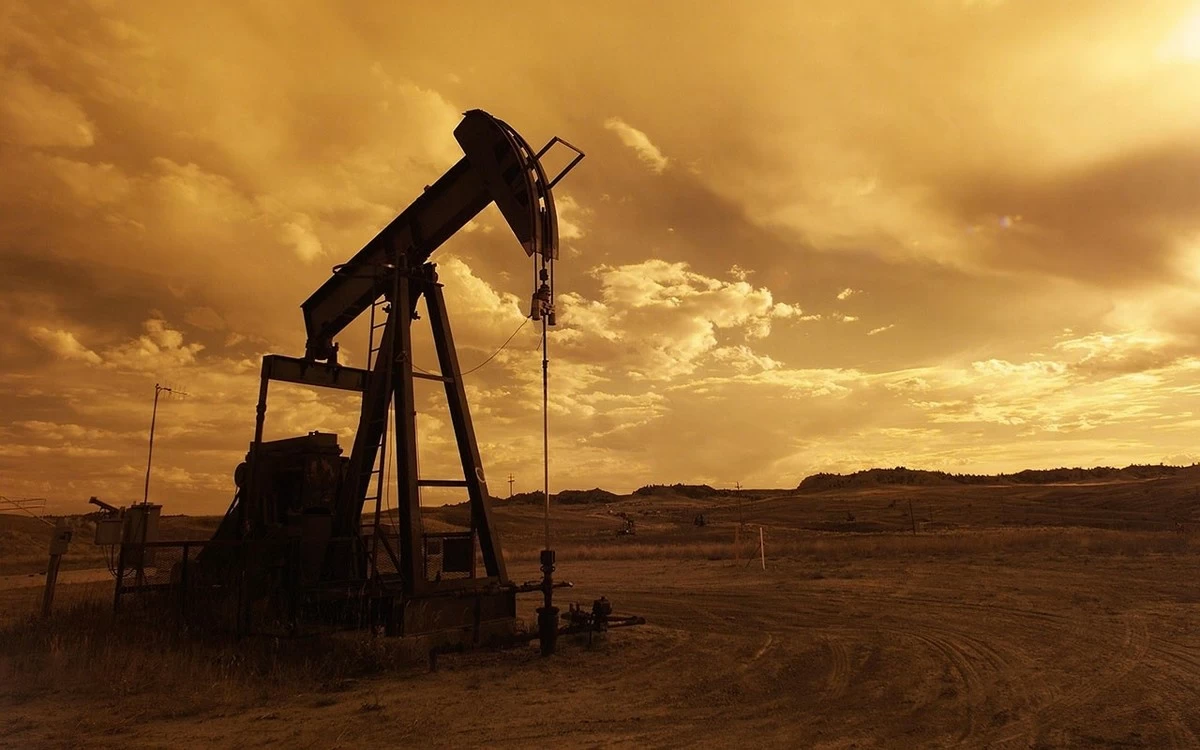
Are oil prices back to their normal level, or are they within the current range of $100 to $119 per barrel, truly reflecting the level at which oil should be traded globally? These prices would also provide some relief to oil-producing countries by helping them reduce their debts or generate a surplus in their annual budgets, should such levels remain for the balance of the year. This could result in the long-awaited budget surplus.
In Kuwait, we need oil prices above $95 per barrel to reach a more comfortable and balanced budget, something we have eagerly awaited. Such favorable figures would give the government greater flexibility in implementing its programs, rather than forcing it to squeeze the budget, potentially canceling important projects or limiting the expansion of strategic ones. Without interference from Parliament, this could be the best opportunity for the government to move forward and demonstrate its achievements to the public. It is not for us to debate such an issue, but it is time for the government to proceed with its long-term plans and clearly present its objectives, plans, and long-term vision.

Kamel Al-Harami
We do not know for sure how long oil prices will remain at their current levels or what it would take to bring them down further. Is this simply the result of strong demand in the absence of tight availability, or is there concern about increasing production and disrupting the comfortable market situation? Looking at Kuwait’s current-year budget, ending in March 2027, we are facing a shortage of KD 10 billion against projected revenues of KD 16.3 billion and expenditures of KD 26 billion, based on a balanced oil price of $90.5 per barrel for our crude oil. Today, oil prices are at $104 per barrel, putting us $14 above the budgeted oil price. As long as prices remain at this comfortable level, we can hopefully maintain a positive surplus. Hopefully, the next six months will pass without the challenges that could make them particularly crucial and critical.
The nightmare surrounding oil prices over the next six months is keeping some oil-producing countries awake at night, particularly those whose fiscal years end in March 2027. Others may feel more at ease, with their budgets ending on December 31 of this year. Oil prices do not appear likely to weaken in the coming months amid high demand for oil and the current embargo on Iranian oil exports, which is making oil markets jittery and raising concerns about future price levels.
More importantly, oil inventories are down, while strategic reserves are at their lowest levels, causing alarm and concern in the event of any disruption to oil supplies. This could trigger major or panic buying as countries seek to replenish their strategic oil reserves. This could lead to higher oil prices for the remainder of the year. Oil-producing countries should therefore feel encouraged for the remainder of the year, benefiting from high oil prices and positive returns on their investments.
By Kamel Al-Harami Independent Oil Analyst Email: [email protected]