


16/05/2026

Share:
16/05/2026
Share:


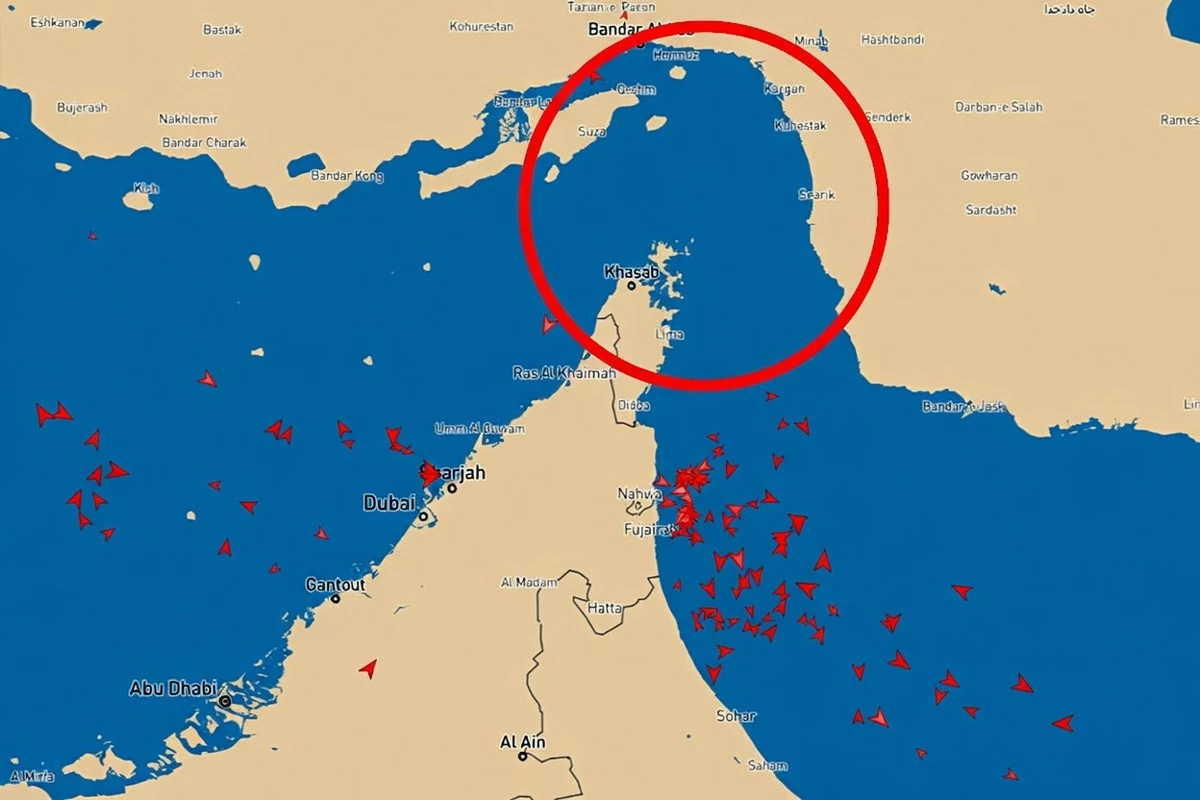
Despite the closure of the Strait of Hormuz, the oil market is not showing signs of panic. There have been no significant movements in crude oil or refined product prices. Prices have not surged to expected levels of $120 per barrel or higher for Brent crude. For Gulf crude, prices have reached above $115 per barrel, but without substantial physical market movements. Saudi Aramco has redirected its crude shipments through the Red Sea via the Yanbu terminal.

These coordinated efforts may continue until normal shipping routes through the Gulf are fully restored. It is also possible that consuming countries are working together to manage reserves in a disciplined way, helping prevent panic buying and market instability. Such factors may have helped avoid a surge in prices that could otherwise have pushed oil above $150 per barrel, triggering global inflationary pressures, panic buying, and long queues at fuel stations worldwide. Until the Gulf is fully reopened, consuming countries may be managing their reserves through coordinated efforts and cooperation among major importers.
Such measures, along with market discipline, may have helped prevent panic buying that could otherwise have pushed oil prices beyond $150 a barrel, potentially triggering high inflation, widespread shortages, and long queues at fuel stations as people rush to refuel their vehicles. Now that we are of the global oil figures in terms of supply, demand, oil in storage tanks, and reserves, if global oil supply is truly in balance, then why are we not experiencing acute shortages or panic buying at petrol stations? Even with supply routes from the Gulf almost completely disrupted, particularly affecting Asia, there has been no visible panic buying.
Oil prices are still around Brent equivalent levels of $109 per barrel, well below earlier speculative forecasts of $150 per barrel. Could this be due to the huge strategic reserves held by Arab Gulf producers and consuming countries, which may be sufficient to sustain supply for an extended period of around three months despite disruptions? The absence of panic suggests the global system may be more resilient than expected.
This raises a question - Are consuming countries drawing down their commercial and strategic reserves? Countries can exchange oil volumes among themselves to some extent, but the absence of all Gulf oil-producing countries at once is a remarkable situation. No one expected such an outcome without market panic or a sharp spike in oil prices, which have nonetheless remained at relatively acceptable levels despite the absence of more than 20 million barrels of Gulf supply. It is unclear how long the Gulf will remain closed or how long Gulf oil will stay off the market. What is certain, however, is that strategic stocks will gradually decline. Without a near-term reopening of the Arabian Gulf, the world could face acute shortages, and panic may emerge at petrol stations as consumers compete for limited supplies. Certainly, the current situation cannot continue for long. The most viable solution is to reopen the Arabian Gulf as quickly as possible.
By Kamel Al-Harami Independent Oil Analyst
Email: [email protected]