


27/06/2026

Share:
27/06/2026
Share:

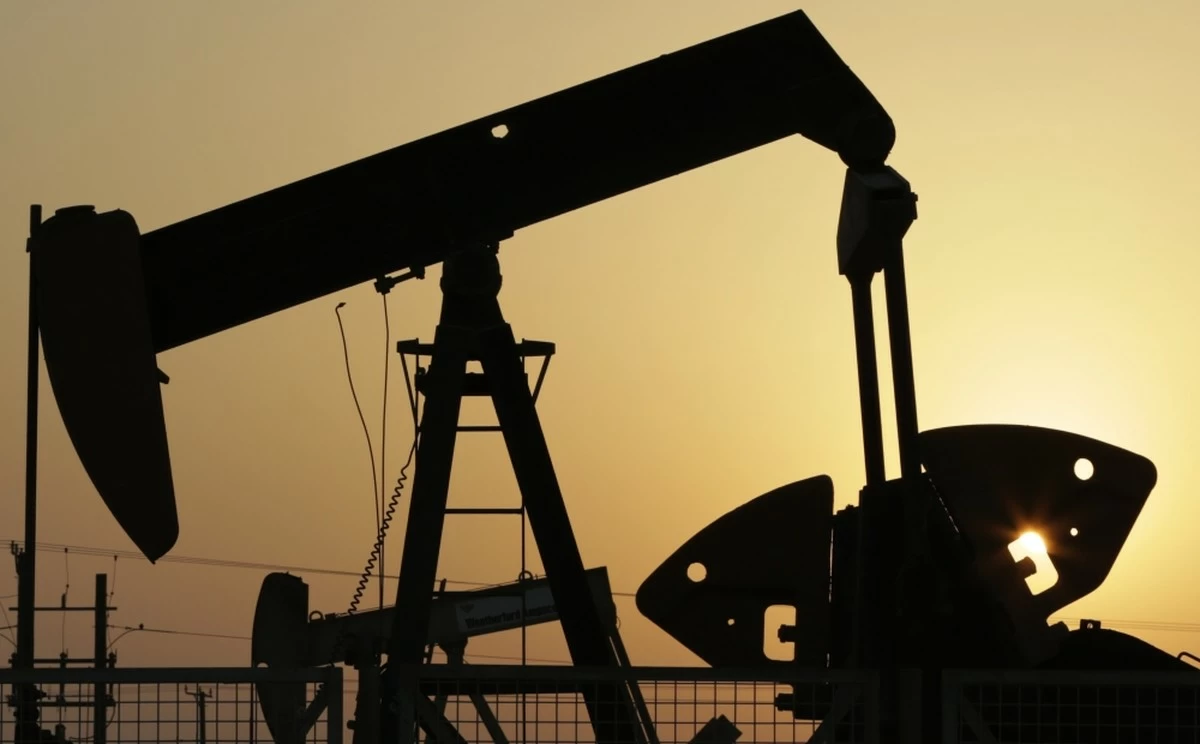
From its peak of over $100 a barrel three weeks ago, oil price fell to its current low level of about $70. The decline is continuing unless OPEC+ calls for immediate action through further production cuts. The other concern is how far oil prices will fall, hurting the economies of oil-producing countries and creating huge deficits in their annual budgets. As a result, many of these countries may be forced to borrow from international banks, since most oil-producing nations base their budgets on an oil price of around $90 per barrel. This will inevitably lead to substantial budget deficits.
The question is: How long can some oil-producing and oil-exporting countries continue depending on a single source of income? There is already a surplus of oil, with more supplies expected to enter the market from various parts of the world. Proven global oil reserves stand at about 1.6 trillion barrels, while annual consumption is around 106 million barrels per day.
This results in abundant availability with little concern about future shortages, provided demand remains steady and exploration and drilling continue, bringing additional production on stream. Oil-producing countries should be concerned about their long-term prospects in the midst of weakening oil prices. The continuous decline in prices means continuing to face large budget deficits, while remaining dependent on one primary source of income.
Searching for alternatives to oil is the answer, but the real question is: How to identify, develop and successfully replace oil as the main source of national income? It seems that this time the decline in oil prices is likely to continue, with no clear signs of stabilization. There is simply too much oil in the market, with even more expected to come. Spare production capacity remains substantial, while demand is not growing strongly.
Although global demand may increase by about one million barrels per day, which is considered normal annual growth, the problem remains that there is too much oil available and insufficient demand growth to absorb the additional crude supplies. The short-term outlook for crude oil prices is not encouraging. There appears to be little room for additional oil to be consumed, and the current surplus is likely to persist. With no immediate solutions available, oil prices may continue to fall. At present, no producer seems willing to reduce crude oil production for only a short period, only to face the same situation again a few months later.

Kamel Al-Harami
For many years, OPEC and OPEC+ have dealt with similar market conditions. However, OPEC seems to have grown weary of repeatedly reducing production, only to encounter the same oversupply problem again a few months later, with limited success. It may be time for OPEC to allow production to follow normal market conditions without further intervention and to let oil prices adjust naturally, without production restrictions.
Meanwhile, producers outside OPEC have increasingly influenced the market. As a result, OPEC and OPEC+ no longer appear to be as effective as they once were. It is time for other oil producers to assume greater responsibility for stabilizing oil prices. The burden should no longer rest solely on OPEC. Perhaps, it is time for OPEC to step back and allow others to play a bigger role in restoring balance in the market. Oil price is declining and it is time for other oil producers to become actively involved. It may be time to give OPEC a break.