



29/08/2026

Share:
29/08/2026
Share:

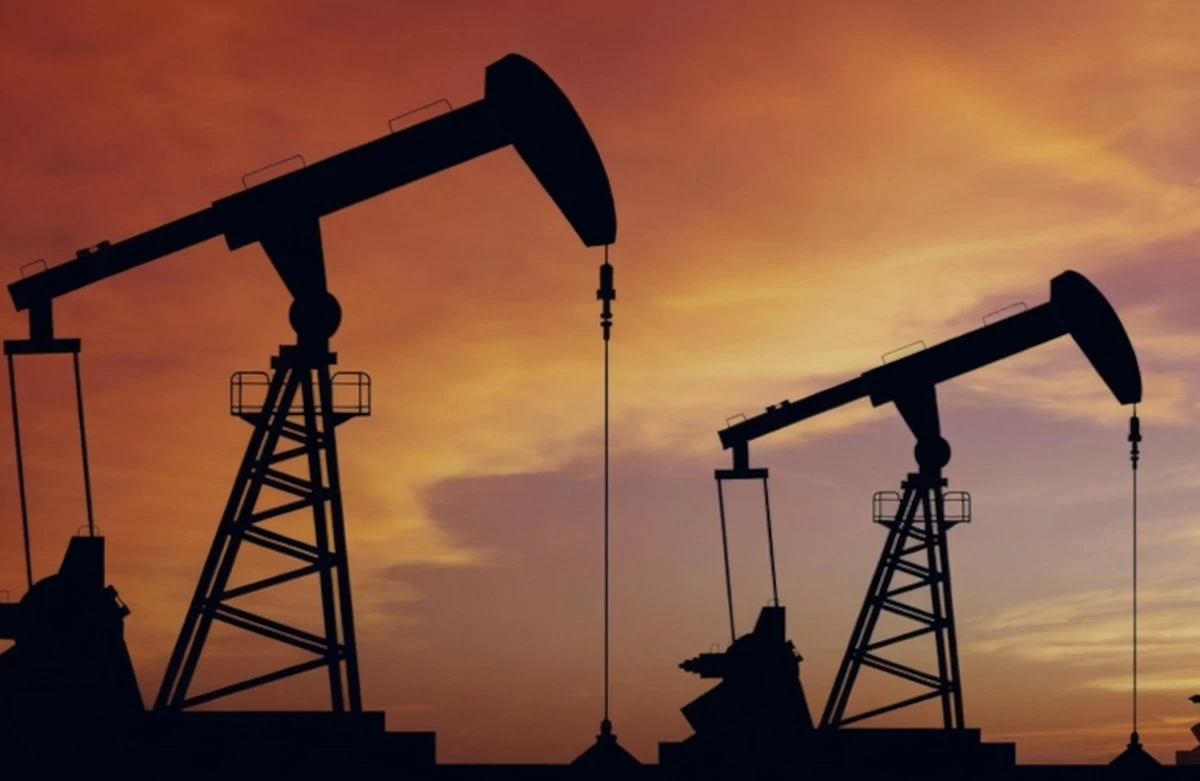
It is difficult to forecast and predict where oil prices are heading, as the market does not appear to have a clear direction. Prices are currently hovering around the $90-per-barrel range, with the exception of Russian oil, which is trading above $100 and has reached levels exceeding $104 per barrel. Russian crude appears to be the only major oil supply source that has not been significantly affected by disruptions or fluctuations, maintaining relatively steady supplies.
This contrasts with the ongoing events in the Arabian Gulf, which remain surrounded by uncertainty and are influenced almost daily by the developments of the day. U.S. crude oil supplies have not been significantly affected, and the impact on the rest of the world remains limited. The United States can now also rely on Venezuelan oil, making full use of its supply while exerting significant control over Venezuela’s oil exports. At the same time, efforts are underway to increase Venezuelan oil production from its current low level of around 1.2 million barrels per day. This is well below the approximately 2.2 million barrels per day that Venezuela averaged in the early 1970s, before production began its longterm decline.
Now that the United States is almost in control, its oil companies will likely push for higher production rates. Venezuela has the world’s largest proven oil reserves, but it faces a major challenge in bringing its heavy crude oil to the surface. Producing and processing this heavy oil is a difficult and expensive task. However, that may not matter to the United States, given its continued dependence on imported oil for years to come. Logistically, it has little choice but to secure access to Venezuelan oil, as this is a matter of long-term energy security. In addition, the United States will continue to depend on imported oil from the Arabian Gulf for many years to come.
With U.S. demand for oil increasing on a daily basis, the country consumes about 21 million barrels per day while producing around 14 million barrels per day. Its dependence on imports is therefore likely to continue and may be difficult to reverse. Its main suppliers include Canada, Mexico, Saudi Arabia, and Brazil. Some of these crude oil imports also appear to be part of an exchange in which the United States exports its lighter, sweeter crude while importing heavier, sour crude from different parts of the world. The overall supply picture is expected to remain unchanged, with the Arab Gulf continuing to be the main supplier of oil globally.
The Asian region, without a doubt, is the future, and Arab Gulf producers should invest there to secure long-term outlets for their oil. This is similar to what Kuwait Petroleum Corporation has done through its investments in Europe and, more recently, its focus on the Arab Gulf and Asian regions, including investments in Oman Refinery and Vietnam. KPC should continue securing opportunities in other potential markets to establish long-term outlets for Kuwaiti hydrocarbons.
This should be our objective if KPC is on track to achieve crude oil production of 3, 3.5, and eventually 4 million barrels per day by 2030-2035. Securing long-term outlets for our future crude oil volumes should go hand in hand with finding new, secure markets for our crude oil. We certainly have the experience and know-how!

Kamel Al-Harami