


29/03/2026

Share:
29/03/2026
Share:

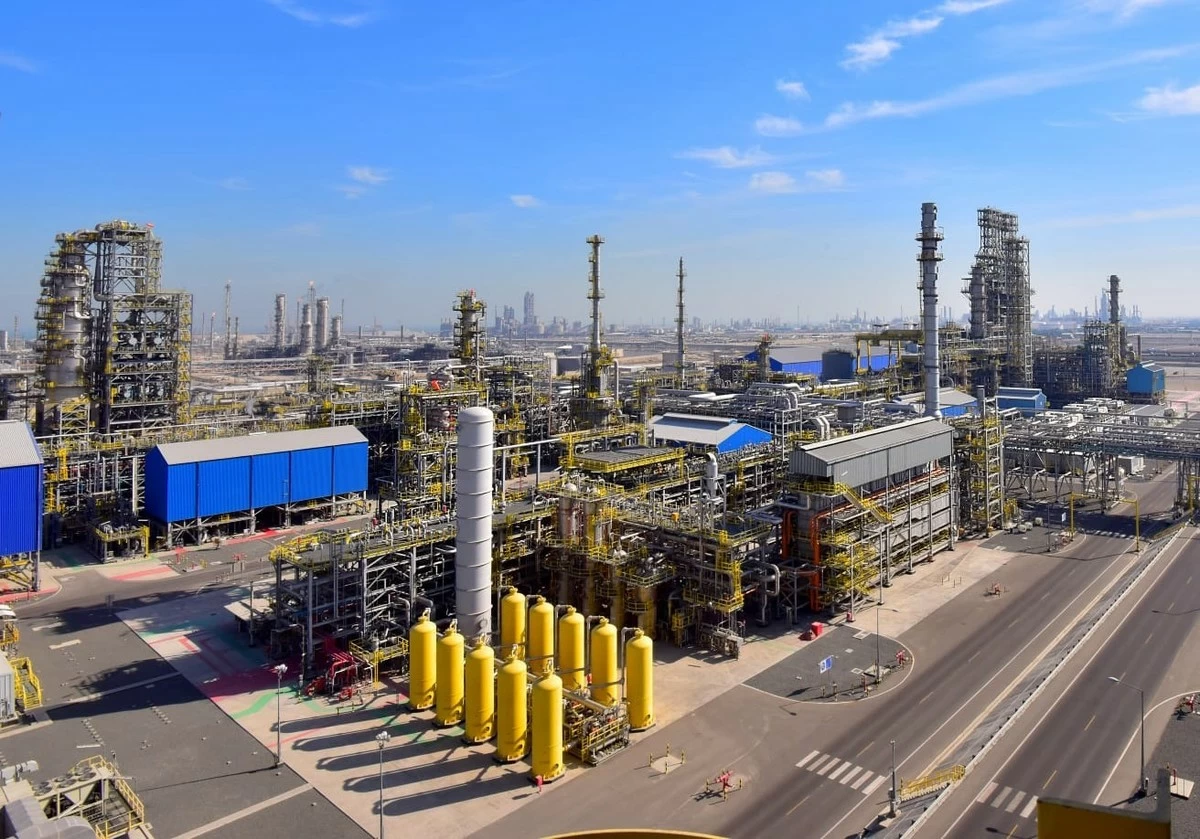
Ahmadi refinery
KUWAIT CITY, March 29: Global oil markets are undergoing exceptional shifts amid escalating geopolitical tensions affecting energy supply flows and reshaping supply-demand dynamics, posing unprecedented challenges to the global economy. Crude oil prices have risen by over 50 percent since February 28, following regional developments and disruptions to navigation in the Strait of Hormuz, which halted parts of global energy supplies.
Prices closed last Friday at USD 112.57 per barrel for Brent futures and USD 99.64 per barrel for US West Texas Intermediate futures. Kuwaiti analysts told KUNA on Sunday in separate statements that current developments reflect a fundamental shift in risks, with activity in the Strait of Hormuz nearly halted. They noted price increases are driven by supply shortages rather than actual market activity, raising concerns over consumers’ reliance on strategic reserves. Oil expert Kamel Al-Harami said Kuwaiti crude is estimated at over USD 140 per barrel, though such levels remain indicative due to the absence of actual trading. Exports from Gulf ports in Kuwait, Saudi Arabia, Qatar, and Iraq have largely stopped, with limited Saudi shipments via Yanbu and small Iraqi volumes from Kirkuk.
The Strait of Hormuz, a key artery for global energy, previously handled around 22 million barrels daily, but tanker traffic has dropped to one or two vessels per day from about 300. Limited exports continue, including about one million barrels per day of Iranian oil, six to seven million Saudi barrels via Yanbu, and 1.5 million UAE barrels through alternative routes. Specialist Tariq Al-Wazzan said the challenge now lies in delivering supplies on time rather than production levels, amid rising logistical and geopolitical constraints. He added global consumption exceeding 100 million barrels daily faces mounting supply chain disruptions, while availability alone no longer ensures market stability.
The Strait of Hormuz remains a critical chokepoint, handling roughly one-fifth of global consumption and significant shares of seaborne oil and LNG trade. Al-Wazzan noted widening price gaps between Brent crude traded at USD 105,115 per barrel and Middle Eastern crudes traded at USD 150, 160 per barrel reflect higher insurance costs, geopolitical risks, and shipping disruptions. Global inventories exceed eight billion barrels, plus 400 million in strategic reserves, but their effectiveness is limited by distribution and accessibility constraints. He warned partial disruption of Hormuz flows could remove 5 to 8 million barrels per day, heavily pressuring markets despite adequate theoretical supply.
Low demand elasticity makes markets highly sensitive, where a one percent supply drop could raise prices by 5 to 10 percent. Rising oil prices are expected to increase transport costs, commodity prices, and global inflation, with Asia most affected and Europe facing slower growth. Al-Wazzan stressed the issue is not resource scarcity but access, highlighting the need for more resilient supply chains and diversified transport routes.
He said Asian economies are the most affected due to heavy reliance on energy imports, while Europe faces mounting pressure from rising energy costs and slowing economic growth. Al-Wazzan noted the next phase requires redesigning global energy transport systems to enhance supply stability and reduce reliance on chokepoints, adding current developments are reshaping pricing across the global economy. (KUNA)