


20/06/2026

Share:
20/06/2026
Share:

Of course, the reopening of the strait means more than 33 million barrels per day moving globally, mainly to Asia, which is now eagerly preparing to consume and store more oil in its strategic reserves. Some consuming countries may also begin expanding their storage capacity. At the same time, oil-exporting countries are eager to resume production after three months of zero cash flow. It is time to move oil in large quantities for countries that have excess storage capacity, with oil prices in the low $80s and possibly declining further.
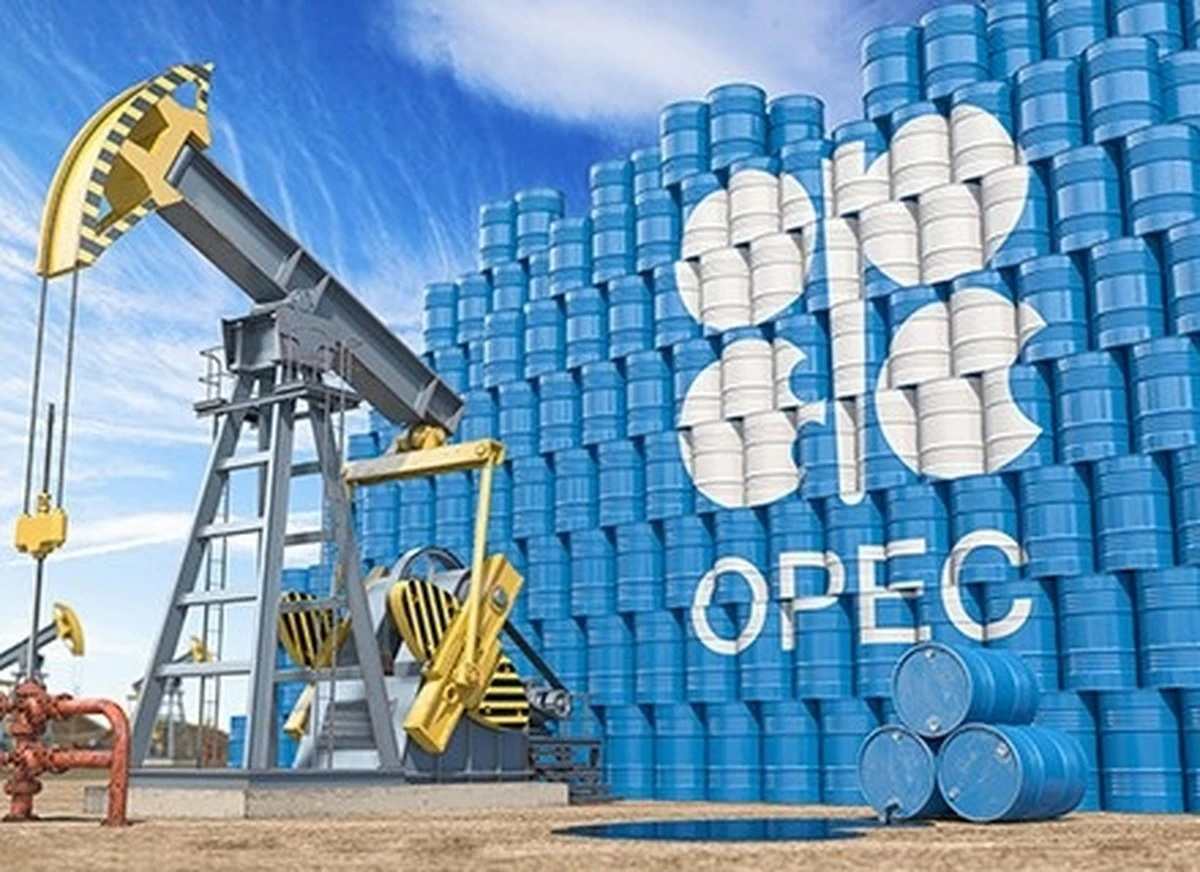
This creates opportunities for OPEC+ to increase production, as it looks to recover the lost revenue from the past three months. It is time to act and move towards full production, with some relaxation of OPEC+ quotas, provided oil prices stay within an acceptable market range for customers. Global oil demand is also increasing with the driving season, as consumers in the United States travel across the country for family visits and tourism. The current average price for regular gasoline in the US is $3.95 per gallon. US consumers are concerned that prices may rise due to political tensions in the Middle East, although price increases typically take about a week to materialize. As a result, some consumers may rush purchases or hope that prices remain stable until the Fourth of July holiday season.

About 500 tankers are waiting to enter the Gulf to load crude oil, refined products, and gas. The concern is the availability of oil from producing countries to rebuild stocks and inventories, in addition to clearing the Gulf of mines. This will take time, but there is an urgency to load, as producing countries need cash and revenue. Importantly, the opening of the Strait of Hormuz comes at a time when the world needs oil. Tanker owners are desperate to get their ships moving again for carrying oil and restoring normal freight rates, while also covering crew salaries and operational costs. As oil begins to flow again, the question is how low prices will fall. Will they return to the $70 range, unless OPEC+ maintains control through production quotas? This is the challenge, as every oil producer is in need of cash.