


14/06/2026

Share:
14/06/2026
Share:
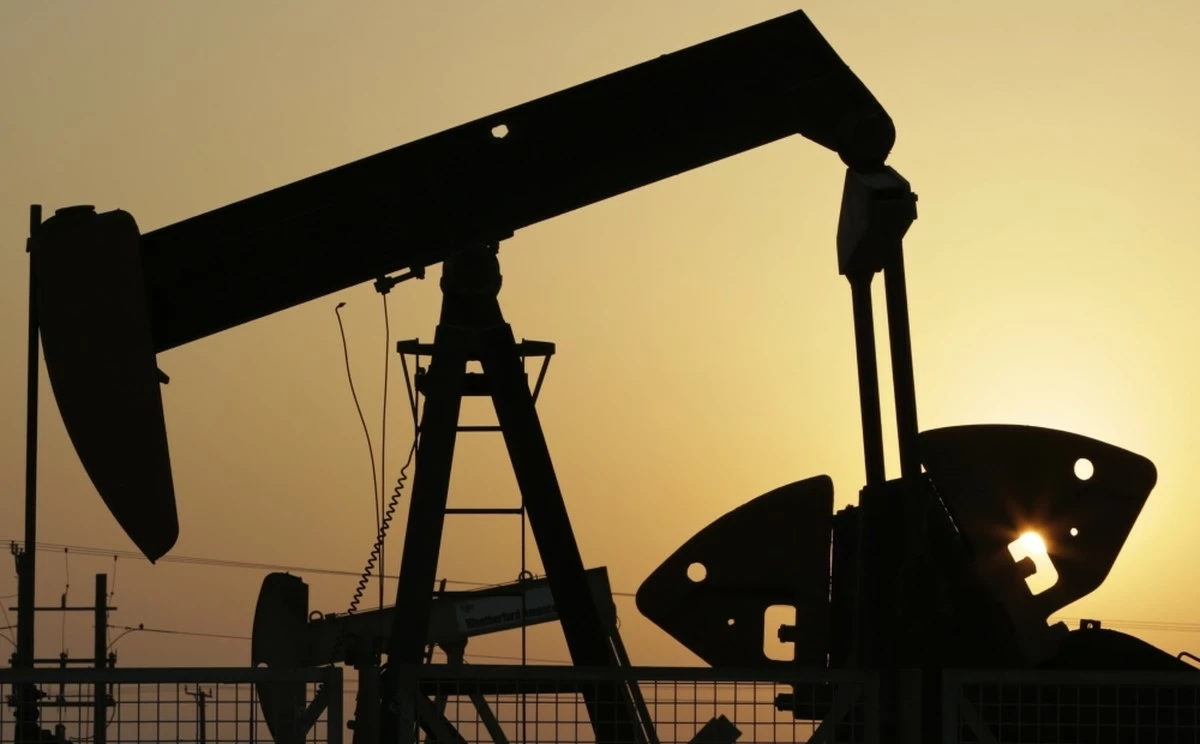

This is good news for global oil consumers, despite the continued closure of the Strait of Hormuz. Tensions between the United States and Iran seem to be easing, and threats of war are slowly fading, even though uncertainty around the strait persists.
The panic over oil prices surging above $100 has also eased. A more relaxed atmosphere has emerged, with expectations of sharply higher petrol prices for U.S. consumers fading. This supports lower fuel cost pressures, giving U.S. drivers greater mileage and the ability to travel more freely, including visiting relatives and friends across the country. Despite the closure of the Strait of Hormuz and the disruption of roughly 22 million barrels of oil in global transit, oil markets appear more stable, through the use of commercial inventories and strategic reserves.

Kamel Al-Harami
Current global strategic reserve is about 2.5 billion barrels, with China holding the largest share. The top five largest oil reserves in the world are Venezuela with 303 billion barrels, Saudi Arabia with 267, Iran with 208, Canada with 145, and Iraq with 145 billion barrels. The other major holders of reserves are mainly from the Arabian Gulf countries. So, of the top eight countries with proven oil reserves, five of them are located in the Arabian Gulf.
The other non-Arabian Gulf countries are Venezuela, Canada, and Russia, with Russia being the last in the group of eight countries with high oil reserves. Venezuela’s oil reserves are the most difficult crude oil to explore and produce, being heavy with high sulfur content. At the end, there must be ways and means to bring it to the surface, as the world is always in need of oil.
Oil markets are in need of some stability, with a return to steady flows of oil from the Arabian Gulf, increased volumes, and reliable supply to meet market demand, as well as to rebuild and replenish the used strategic reserves. Oil prices are no longer trading at $100 and above, as most oil indicators are now below $95 per barrel, while Russian crude is trading above $104. It is the only crude that is freely traded, with part of it going to Asian markets to meet strong demand amid the absence of Arabian Gulf crude oils, including Iran. Iran, which previously threatened to close the Strait of Hormuz and block Arab Gulf oil exports, would face the same consequences itself, as it would also be unable to export its oil through the same strait it had closed and blocked.
Will they ever learn how to respect their neighbors and avoid greed? Did Iran ever think it could close the Gulf while being the only one able to export oil to the world? When will they learn to respect their harmless neighbor? The world needs stability and a steady flow of oil supply from the Arabian Gulf. Soon, the Gulf will return to flowing peacefully and smoothly, with producers generating more revenues and selling higher volumes of oil to meet immediate demand and rebuild strategic reserves for the future, filling storage levels once again. This would support stable oil prices that satisfy both consumers’ needs and budgets, while producing countries continue investing and ensuring more crude oil is available to the global market. Oil-producing countries are certainly welcoming back their customers with open arms.
By Kamel Al-Harami Independent Oil Analyst
Email: [email protected]