



07/02/2026

Share:
07/02/2026
Share:
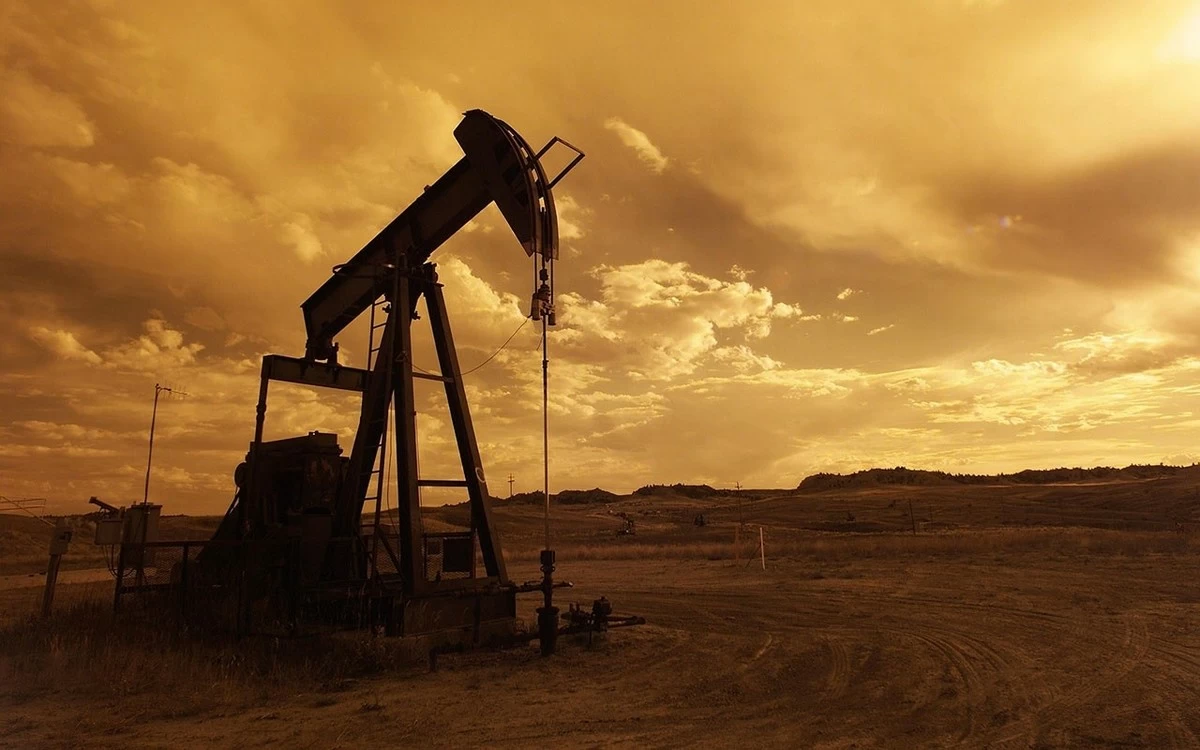


These companies have already been invited to assess and investigate the condition of the Venezuelan oil fields and determine how soon they can return to full crude production from the current low throughput of about 200,000 to 300,000 barrels per day, down from a high of more than 3.5 million barrels per day. Venezuela holds the largest crude oil reserves globally. Its oil is very heavy and requires treatment, which can be costly, but it is still marketable and salable, creating a new avenue for long-term stable supply to meet the ongoing and increasing oil demand of the USA. This situation could also apply to Iran, considering the threats of the US to interfere in Iran’s domestic politics and demonstrations, raising questions about oil supply and the extent of US impact or intervention.
The USA also needs oil from all producing countries in the Arabian Gulf, and could be eyeing Iran and the poor condition of its oil fields, which currently depend on local resources and manpower. In the absence of international oil companies to repair, maintain and develop Iran’s oil industry, the USA may see an opportunity, given its vast experience in the Iranian oil sector, similar to what it could gain from Venezuela based on its current experience there.
Another vital element is the USA’s interest in keeping oil prices low for a long period. However, this is becoming increasingly challenging for the US administration to manage. The era of easy oil is over, and deeper drilling is required to extract the so-called shale oil, which is unstable and comes from fields that do not last long. Shale oil typically starts with high initial production that declines rapidly by about 70 percent. While such fields can technically produce for 20 to 30 years, they often become economically unviable much sooner, within about eight to 10 years. Fortunately, this is not the case for oil fields in the Arabian Gulf region.
An example is Kuwait’s Greater Burgan oil field, which began production in 1946 at more than two million barrels per day. Today, it continues to produce oil, although it requires some treatment due to its old age, much like human beings who need care, treatment, and regular maintenance as they grow older. It has been some time since oil prices have remained calm and steady without any hiccups, much to the satisfaction of consumers. Nonetheless, for oil producers, higher oil prices are highly desirable to support further exploration, the search for new discoveries, and the development of new oil fields. Alas, new oil discoveries will neither meet nor match the production of Greater Burgan on a global scale, nor will they replicate its smooth and easy oil flow.