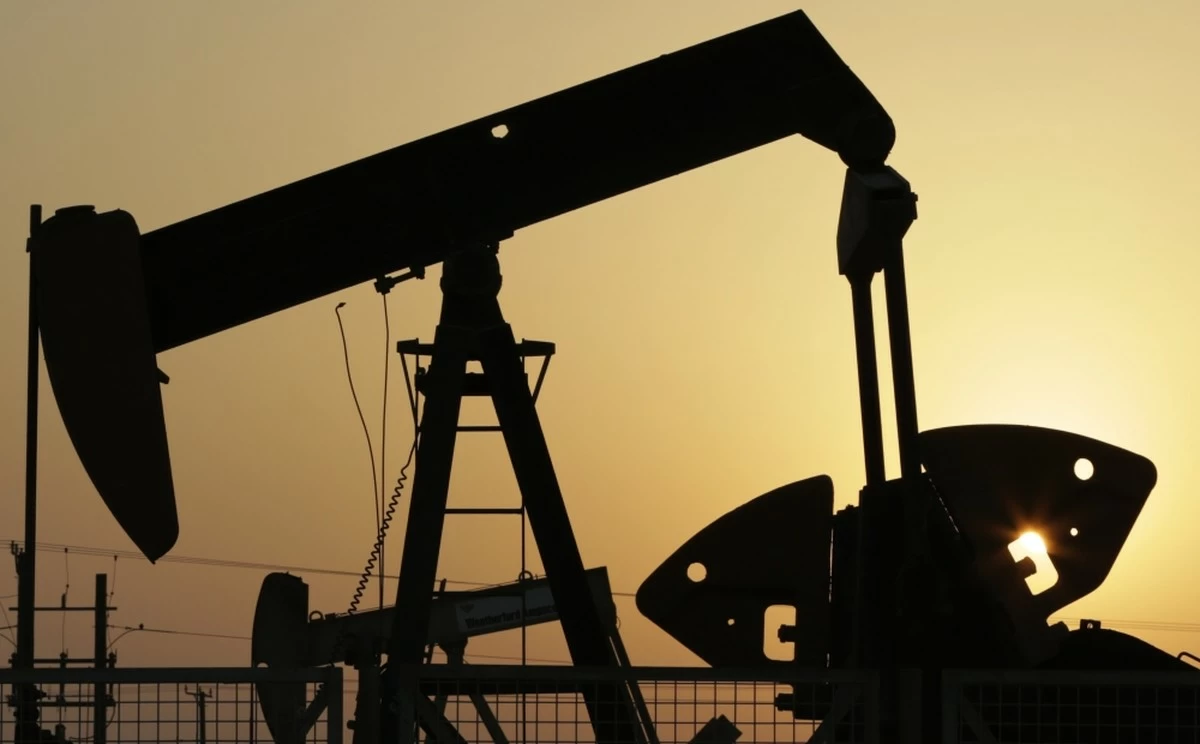
All of a sudden, oil prices dropped from highs of $115 and above to below the $100 level, despite concerns over closure of the Strait of Hormuz and disruptions to oil shipments from the Arabian Gulf, which continue to impact oil cargo movements. We understand that commercial and strategic reserves in consuming countries are being heavily utilized to compensate for the shortfall from the Arabian Gulf. Strategic reserves are estimated at around 440 million barrels, serving as emergency spare capacity, which now appears to be increasingly drawn upon.
This situation may continue until normal shipping conditions resume and passage through the Strait of Hormuz is fully safe for oil tankers entering and exiting the Gulf. Surprisingly, strategic reserves have not been fully utilized, as supply from the United States has helped stabilize oil availability in Europe, which is not yet facing a critical shortage. However, this situation is unlikely to last. From now until the beginning of next month, with the start of the driving season, oil prices are expected to rise, placing Asia and Europe in tighter supply conditions and pushing prices higher. With the driving season underway and pump prices beginning to rise, US consumers are likely to be unhappy with higher petrol costs and the resulting impact on inflation. This comes despite calls from the current administration to lower oil prices. However, such expectations are increasingly difficult to sustain, as no clear path exists for lower fuel prices while the Strait of Hormuz remains closed. Certainly, the closure of the Strait of Hormuz is a major global challenge, with more than 20 million barrels of oil passing through it. Regardless of the current situation, some Saudi crude is already moving through the Red Sea, which serves as an eye-opener for other Gulf producers to consider alternative routes for exporting crude oil to global markets. Oil prices are expected to come down once an agreement is reached between Iran and the United States.
However, the timing of such an agreement remains uncertain. In the meantime, the world may face sustained pressure on oil prices, potentially keeping them at high levels around $100 a barrel until a resolution is achieved and access through the Arabian Gulf is fully restored. Oil-producing countries must seriously consider alternative ways to transport their exports to global markets, possibly through pipelines or other routes outside the Arabian Gulf. However, such alternatives are likely to be challenging, costly, and may not be practical or feasible on a large scale. This is the main challenge in seeking stable oil prices in the future, along with ensuring safe and reliable export routes.