


01/08/2026

Share:
01/08/2026
Share:


Kamel Al-Harami
The current relationship between the US administration and oil companies is strange. Although the president owns shares and investments in US oil companies such as ExxonMobil, Chevron, and Phillips 66, with a personal portfolio that includes multi-million- dollar holdings in these well-established energy companies, these companies continue to generate substantial profits and earnings on a quarterly and annual basis. For this reason, it appears strange that the administration is criticizing or targeting these companies while they continue to generate huge revenues. Is this part of an effort by the administration to gain public attention and support for a reelection campaign, while simultaneously benefiting from substantial financial returns and investment gains?
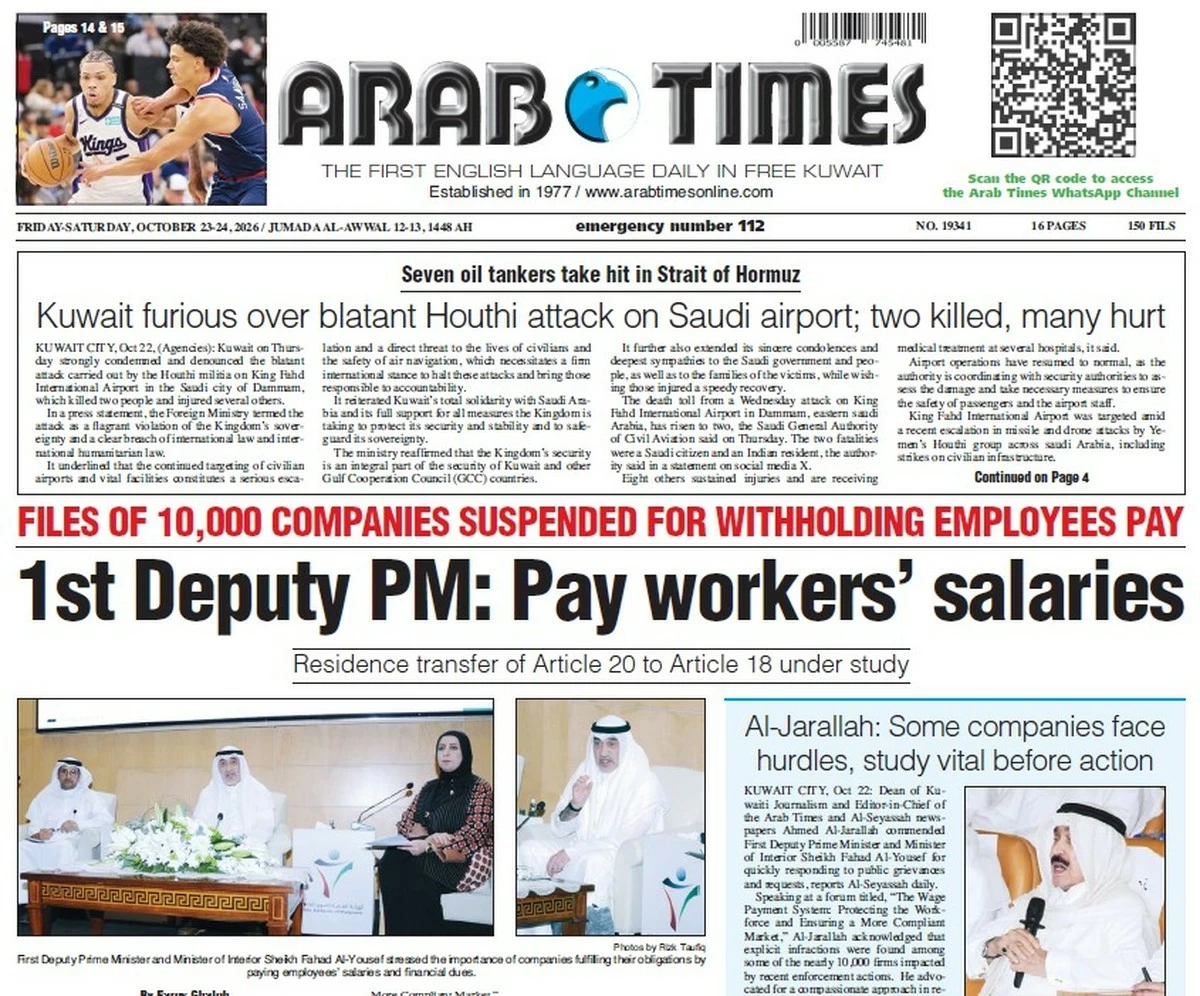
The administration is seeking an orderly investigation, accusing oil companies of gouging drivers and failing to reduce fuel prices. However, oil companies claim that they need time to assess market conditions and evaluate the impact before adjusting petrol prices at service stations. With the announcement of second- quarter results from major oil companies, substantial profits and earnings have been reported, providing the US president with additional financial gains during the quarter. Meanwhile, ongoing tensions between the United States and Iran, including the closure of the Strait of Hormuz, are creating tighter global oil supplies from the Arabian Gulf region. This situation is forcing global consumers to rely on strategic oil reserves and prompting the United States to increase oil exports to Europe in an effort to stabilize oil markets and prices.
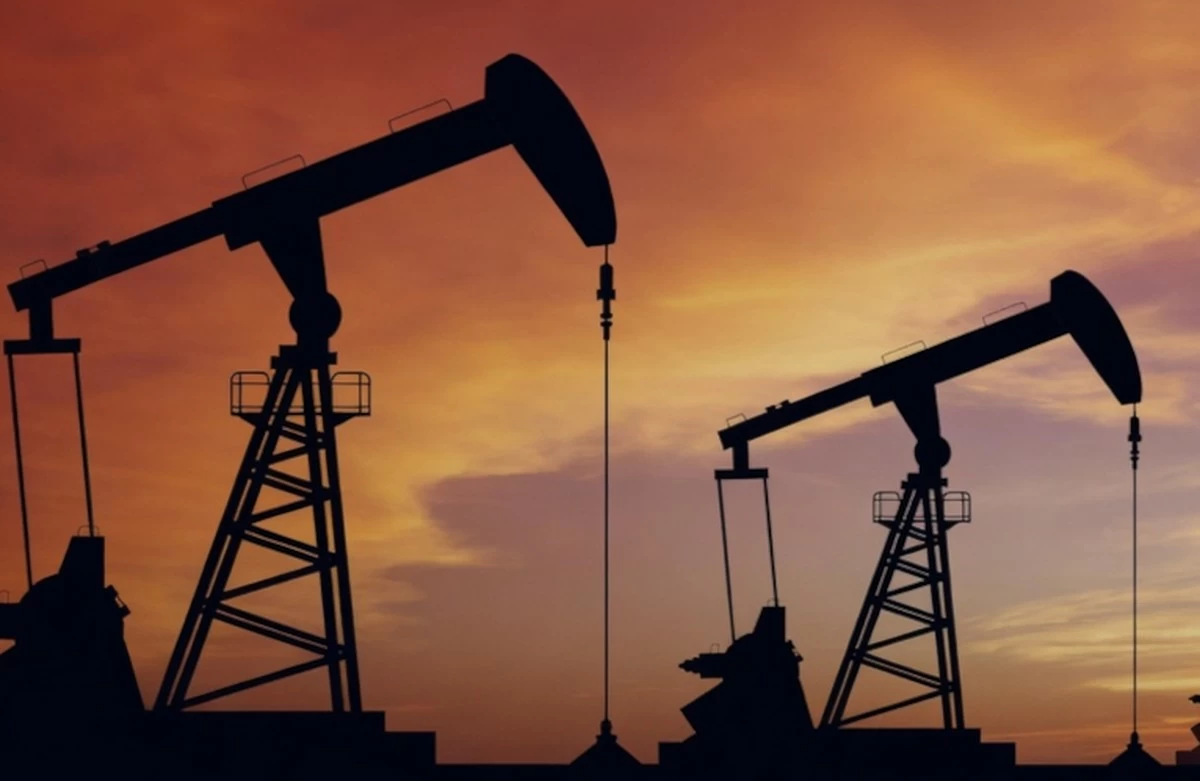
The question remains - how long will this situation continue? Oil prices are currently at $87 a barrel for Brent crude oil. Russian crude oil, which is readily available for sale to East of Suez markets such as India and China, stands at $104 a barrel, while Dubai crude oil is at $93 a barrel. This difference is due to the limited availability of Dubai crude oil compared to Russian crude oil, which is freely available for sale. Strangely, the US administration stands against the oil companies, despite them having no responsibility or fault in the current situation. With the Strait of Hormuz in the Arabian Gulf closed, along with the Bab el-Mandeb Strait in the Red Sea linking to the Gulf of Aden and leading to Asia and Africa, alternative routes have become necessary.
The closure of the Arabian Gulf routes has increased reliance on Saudi crude oil exports through the Red Sea as another route to Asian markets and crude oil customers. With the Strait of Hormuz partially closed or experiencing very limited movement, the current tight supply situation continues, making oil prices increasingly difficult to predict. It is difficult to predict oil prices or availability due to the lack of accurate and reliable information regarding the status of oil movements in the Gulf, including the number of oil tankers and their movements.
The question remains - can we be certain that the Strait is safe for navigation and for the lifting of crude oil and petroleum products to global markets? Certainly not. There is still no reliable source of information to fully depend on. The situation is unclear, fragile, risky, and unpredictable, causing oil prices to remain strong and difficult to forecast, with a high risk premium.
Russian crude oil is being sold at around $16 below Brent crude, which stands at approximately $88 a barrel, depending on availability in the oil market and strong demand. The oil situation is clear. Availability remains limited, with the Arabian Gulf nearly closed due to the risks of attacks at any time, resulting in a high risk premium attached to movements in the region. The uncertainties surrounding the oil situation in the Gulf, particularly regarding safety and security, represent huge risk factors that make navigation and oil transportation more challenging. This has caused oil prices to remain strong and high, while providing limited fi- nancial benefits to oil producers in the Gulf due to the reduced volume of oil lifting.