



29/06/2026

Share:
29/06/2026
Share:

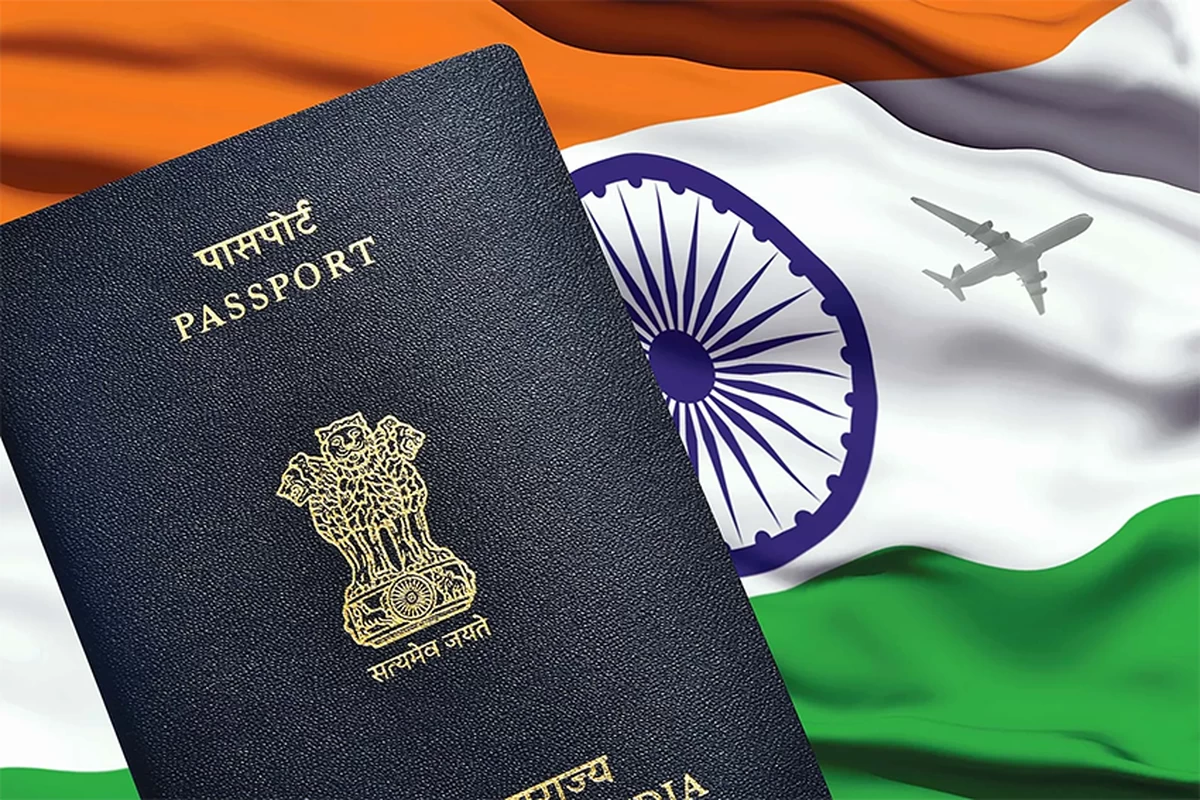

NEW DELHI, Jun 29: A decade-old government interpretation of India’s Right to Information (RTI) Act has resurfaced, highlighting a legal distinction between Indian citizens living abroad and overseas Indians holding Overseas Citizen of India (OCI) and Persons of Indian Origin (PIO) cards.
Inter-ministerial records from 2010 show that the Indian government considered Indian passport holders residing overseas — commonly known as Non-Resident Indians (NRIs) — eligible to exercise rights under the RTI Act, while excluding OCI and PIO cardholders from accessing the law’s provisions.
The interpretation was based on the definition of the word “citizen” under the RTI Act, which allows only Indian citizens to seek information from public authorities. Government officials at the time concluded that Indian citizens living abroad retained their citizenship status because they continued to hold Indian passports, whereas OCI and PIO cardholders were not considered citizens under Indian law.
Issue Raised by Overseas IndiansThe matter came into focus after a group of US-based NRIs submitted a representation to then Prime Minister Manmohan Singh, seeking greater recognition of their participation in India’s democratic and governance processes.
Following the representation, discussions were held among several government departments, including the Ministry of External Affairs (MEA), Ministry of Home Affairs (MHA), Department of Personnel and Training (DoPT), Ministry of Overseas Indian Affairs and the Central Information Commission.
The discussions focused on whether OCI and PIO cardholders, who have certain rights and privileges in India, could also be treated as “citizens” for the purpose of filing RTI applications.
Government Position on NRIs, OCI and PIO CategoriesDuring proceedings before the Central Information Commission, the Ministry of External Affairs maintained that the term “citizen” under the RTI Act referred only to Indian citizens holding Indian passports, including those residing or working abroad.
The ministry clarified that this category included NRIs but did not extend to OCI or PIO cardholders because they are foreign nationals who receive certain benefits under Indian law but do not possess Indian citizenship.
Since citizenship-related matters fall under the jurisdiction of the Home Ministry, its views were sought. Government records show that the MHA supported the MEA’s interpretation, while other departments recommended that the matter be settled through the Home Ministry’s legal position.
Passport and Citizenship Debate ReturnsThe issue has gained renewed attention following a recent clarification by the MEA that an Indian passport is primarily a travel document and cannot be considered conclusive proof of citizenship by itself.
The clarification was reiterated during Passport Seva Divas on June 24, when officials said citizenship is determined under the Citizenship Act, 1955, while passports are issued under the Passports Act, 1967.
The government’s position has led to questions over the legal relationship between passports and citizenship, particularly among Indians living abroad who often use passports as their primary identity document.
Legal PositionLegal experts have said the government’s interpretation is consistent with existing law, which treats passports as documents issued for international travel rather than absolute proof of nationality.
Indian courts, including the Bombay High Court, have previously observed that possession of a passport alone does not conclusively establish citizenship if other legal questions arise.
Political Debate IntensifiesThe clarification has triggered political reactions, with opposition leaders questioning the distinction between possession of an Indian passport and proof of citizenship.
Shashi Tharoor criticized the position as an “absurd legal paradox,” arguing that legislative changes may be needed to recognize passports as definitive evidence of citizenship.
Leaders from the Trinamool Congress and Shiv Sena (UBT), including West Bengal Chief Minister Mamata Banerjee, also questioned what document should be considered final proof of citizenship if an Indian passport is not sufficient.
The debate has renewed broader discussions about the rights of overseas Indians, the status of OCI cardholders, and the legal meaning of citizenship in India.