


04/11/2026

Share:
04/11/2026
Share:
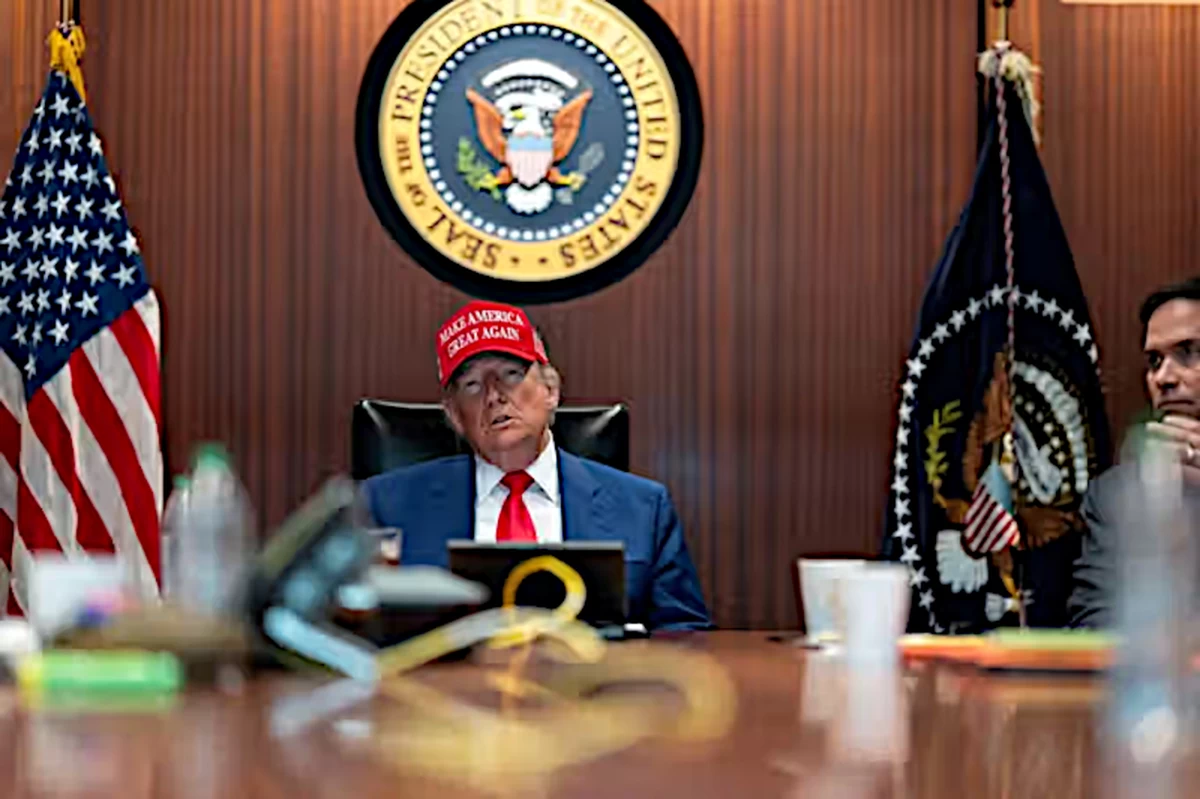

WASHINGTON, Nov 4: The Democratic Party's victory in both chambers of the US Congress in Tuesday's midterm elections has significantly altered the political landscape in Washington, setting the stage for a potentially difficult final two years of President Donald Trump's second term.
Although Trump will remain in the White House until January 2029, Democrats will take control of both the House of Representatives and the Senate when the new Congress convenes on January 3, 2027, giving the opposition party substantial influence over legislation, government spending, presidential appointments and congressional investigations.
The result means Trump will have to govern with an opposition-controlled Congress, potentially complicating his domestic agenda and increasing scrutiny of his foreign policy decisions, particularly the eight-month war against Iran and his controversial tariff strategy.
The election setback comes as Trump has acknowledged that the Iran war contributed to Republican losses, although he has maintained that he does not regret launching the military campaign.
Democrats Prepare to Challenge Trump's Policies
Control of both chambers gives Democrats the opportunity to investigate the administration, summon senior officials for congressional hearings, demand government documents and issue subpoenas.
The Iran war is expected to become one of the principal subjects of congressional scrutiny.
Democratic lawmakers could investigate the circumstances surrounding the US decision to launch military operations against Iran alongside Israel, the financial cost of the campaign, the intelligence assessments used to justify the conflict and whether the military objectives have been achieved.
They could also seek greater congressional oversight of future military operations and introduce legislation aimed at restricting unauthorised military involvement.
Under the 1973 War Powers Resolution, a president generally must notify Congress within 48 hours of introducing US forces into hostilities. Military involvement must generally end within 60 days unless Congress authorises it, declares war or extends the period, with a limited additional withdrawal period under specified circumstances.
However, Trump retains his constitutional authority as Commander-in-Chief. Any legislation seeking to restrict his military operations could face a presidential veto, which Democrats would need a two-thirds majority in both chambers to override.
Iran War Could Become Major Political Battleground
The Democratic victory could increase pressure on Trump to explain the objectives, costs and expected duration of the Iran conflict.
Democrats may push for a diplomatic settlement involving Iran's nuclear programme, uranium enrichment, international inspections, sanctions and security arrangements in the Gulf.
The Strait of Hormuz and the security of international shipping could also become important subjects in congressional discussions, given the implications of the conflict for global energy supplies.
Trump, however, has shown no indication that he regrets launching the war. He has also expressed support for War Secretary Pete Hegseth and said he has no immediate plans to change personnel in his administration.
The president could therefore face a difficult balancing act between maintaining his military strategy and responding to growing congressional demands for accountability.
For Kuwait and other Gulf countries, the direction of US policy towards Iran will be particularly important because of its implications for regional security, oil exports, maritime navigation and the American military presence in the region.
Trump's Tariff Policy Faces Greater Congressional Scrutiny
Trade policy is another major area where Democrats could challenge the administration.
Trump has repeatedly used tariffs to pressure trading partners, including China and other major economies, arguing that trade barriers are necessary to protect American industries and address trade imbalances.
With Democrats controlling Congress, the administration could face increased scrutiny over the economic impact of tariffs, their effect on American consumers and businesses, and the consequences for international trade relations.
Democrats could introduce legislation to repeal or restrict particular tariffs, demand greater transparency over trade negotiations and challenge the administration's use of executive authority.
However, Trump retains access to several alternative legal mechanisms for imposing tariffs, including provisions under US trade laws dealing with national security and unfair trade practices.
The Supreme Court's February 2026 ruling restricting the administration's use of the International Emergency Economic Powers Act (IEEPA) for sweeping global tariffs has already complicated Trump's trade strategy.
A Democratic-controlled Congress could add further political and legislative pressure, although a complete reversal of Trump's tariff policies is not guaranteed.
Presidential Appointments Could Face Obstacles
Control of the Senate gives Democrats considerable influence over Trump's appointments.
The Senate is responsible for confirming Cabinet officials, ambassadors, federal judges and Supreme Court nominees.
Democrats could delay or reject presidential nominees, potentially limiting Trump's ability to reshape the federal judiciary and fill senior government positions during the remainder of his presidency.
Any Supreme Court vacancy during Trump's remaining term could become a particularly significant political confrontation.
Could Democrats Impeach Trump?
Democratic control of the House also gives the party the authority to initiate impeachment proceedings against the president.
House committees could investigate allegations involving presidential authority, government spending, military decisions and other matters before deciding whether to advance articles of impeachment.
However, impeachment does not automatically remove a president from office.
While the House can approve articles of impeachment by a simple majority, conviction and removal require a two-thirds majority in the Senate.
Consequently, even with Democrats controlling both chambers, removing Trump would require substantial Republican support.
Congressional investigations and political pressure are therefore more immediate possibilities than removal from office.
Government Spending Could Become Another Flashpoint
Congress controls federal appropriations, giving Democrats significant leverage over government spending.
The new majority could scrutinise military expenditure, funding for the Iran war, immigration enforcement, border security and other administration priorities.
Budget negotiations could become increasingly confrontational, raising the possibility of funding disputes and a government shutdown if lawmakers fail to reach agreements.
The administration will also have to negotiate with Democrats on future spending legislation and other major fiscal matters.
Trump Retains Presidential Authority
Despite the Democratic victory, Trump retains considerable executive power.
He remains Commander-in-Chief, controls the executive branch, directs American diplomacy and can continue issuing executive orders within the limits of US law.
Democrats cannot automatically cancel his executive orders, withdraw American forces or remove him from office simply because they control Congress.
Furthermore, most major legislation in the Senate faces the 60-vote filibuster threshold, while presidential vetoes can be overridden only with two-thirds support in both chambers.
The new political arrangement is therefore expected to produce greater confrontation between the White House and Congress rather than an automatic transfer of executive authority.
2028 Presidential Election Already in Focus
The midterm results also carry implications for the 2028 presidential election, when Trump will be constitutionally barred from seeking another elected presidential term under the 22nd Amendment.
Democrats will have an opportunity to demonstrate their ability to govern Congress, while Republicans will face questions about their party's direction and the political consequences of Trump's policies.
The Iran war, energy prices, inflation, tariffs and government spending are likely to remain central issues in the political debate.
Republican lawmakers could also face increasing pressure to distance themselves from policies that proved unpopular among voters, while potential contenders for the 2028 Republican presidential nomination will have to consider their relationship with Trump's political legacy.
What the Democratic Victory Means for Kuwait and the Gulf
For Kuwait and the wider Gulf region, the most important consequences will concern American policy towards Iran, regional military commitments and international energy security.
Greater congressional scrutiny of the Iran war could influence the duration and funding of US military operations, although it does not automatically signal a change in Washington's security commitments to Gulf allies.
Any diplomatic settlement between Washington and Tehran could have significant implications for regional stability, the Strait of Hormuz and global oil markets.
At the same time, changes in US tariff policy could affect international trade, investment and the economic relationship between the United States and Gulf countries.
The Democratic victory has therefore introduced a new dimension into US foreign policy at a time when the region is already facing significant security and economic challenges.
The central question now is whether Trump will adjust his approach and seek greater cooperation with the new Democratic-controlled Congress or continue pursuing his policies while facing sustained legislative scrutiny and political opposition.