


09/03/2026

Share:
09/03/2026
Share:
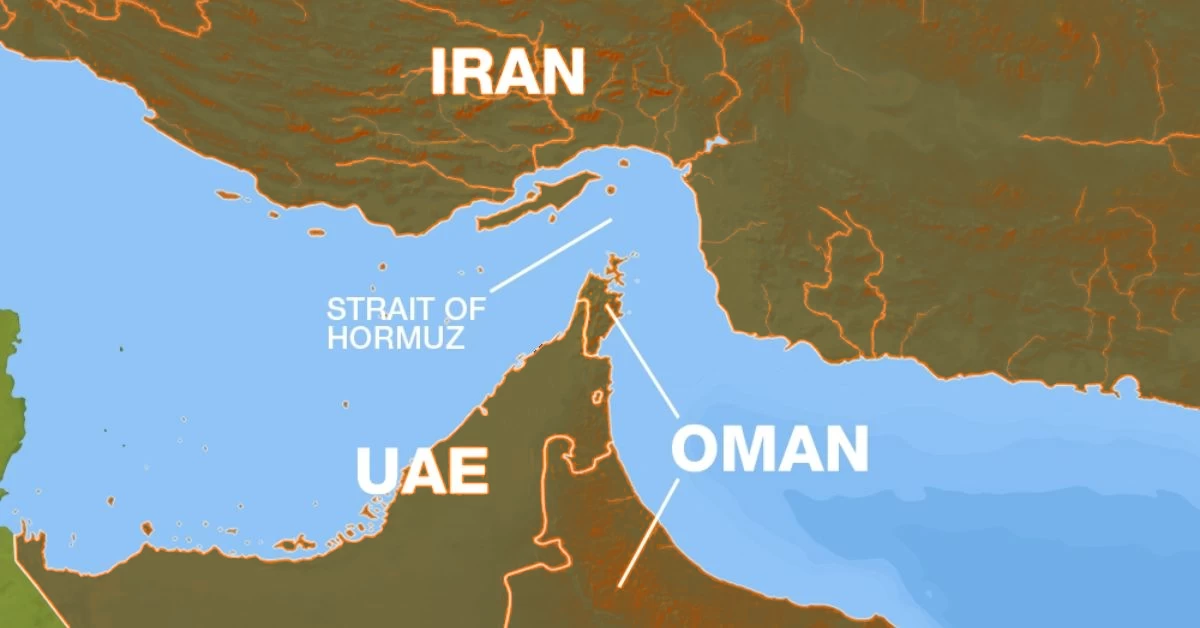

KUWAIT CITY, March 9: International Law Professor at Kuwait University Dr. Madous Al-Rashidi affirmed that Iran is obligated to pay substantial compensation to Kuwait and other Gulf Cooperation Council (GCC) countries for the closure of the Strait of Hormuz. Al-Rashidi pointed out that the GCC countries incurred heavy losses due to the reduction of Gulf oil production and refining rates as a result of the closure of the strait.
He said the United Nations (UN) Charter prohibits the use of force against the territorial integrity of states and mandates compensation for violation of international agreements, international law and the charter itself, which forbids aggression against neighbors without justification. He asserted that the six GCC states declared before the outbreak of war that their territories would not be used for the launching of missile or drone attacks against Iran, given that the Gulf states have no interest in the war.
“Despite knowing that the missile and other attacks originated from Israel, not the Gulf states, the Tehran regime violated international norms, agreements and the principles of good neighborliness and human fraternity. It exposed the assets and wealth of the Gulf states, including Kuwait, to a major damage, in addition to reducing oil production,” he added. He stated that Iran should also pay additional economic compensation for damaging public and private properties in the GCC countries. He indicated that the GCC countries strongly condemned the hostile acts of Iran, yet they did not retaliate.
“Instead, they focused on defending their territories. This proves the wisdom and prudence of the GCC leaders,” he stressed. He clarified that the Gulf states’ entitlement to economic compensation is based on the undeniable facts of aggression, hence, no further proof is needed. “Therefore, Kuwait and the other GCC countries have the right to resort to international courts to demand for appropriate compensation,” he reiterated.
He is surprised that the Tehran regime failed to learn from the disaster caused by Saddam Hussein’s aggression against Kuwait in the early 1990s. He stressed that Iran is fully aware that Saddam Hussein paid compensation for his crime of invading Kuwait. He said the compensation will not only cover the cessation or reduction of oil production, but also the damages suffered by citizens and businesses in the GCC countries. On the closure of the Strait of Hormuz, he revealed that international agreements prohibit parties to a conflict from closing straits or obstructing maritime navigation during wartime. “International conventions and norms affirm that obstructing straits is a grave violation, so Iran must bear the consequences of halting or restricting the passage of oil tankers and all other products through the Strait of Hormuz,” he added.
In a related development, an economic source and oil analyst, who preferred to remain anonymous, said Iran will have to pay compensation to the Gulf states, exceeding hundreds of billions of dollars as a result of the losses incurred by the oil sector due to the closure of the Strait of Hormuz, in addition to the damages in facilities, infrastructure, services, and public and private properties.
He stated that once the war ends, the GCC countries are expected to determine the losses and damages they suffered, especially since the closure of the Strait of Hormuz is a violation of international laws issued by the International Law Commission. He explained that the issue is not only about obstructing the fl ow of oil and gas supplies, as it reached the point of increasing shipping and insurance costs, in addition to the losses of shipping companies and the decline in the revenues of tourism, hotel and airline sectors.
By Najeh Bilal Al-Seyassah/Arab Times Staff