



10/01/2026

Share:
10/01/2026
Share:
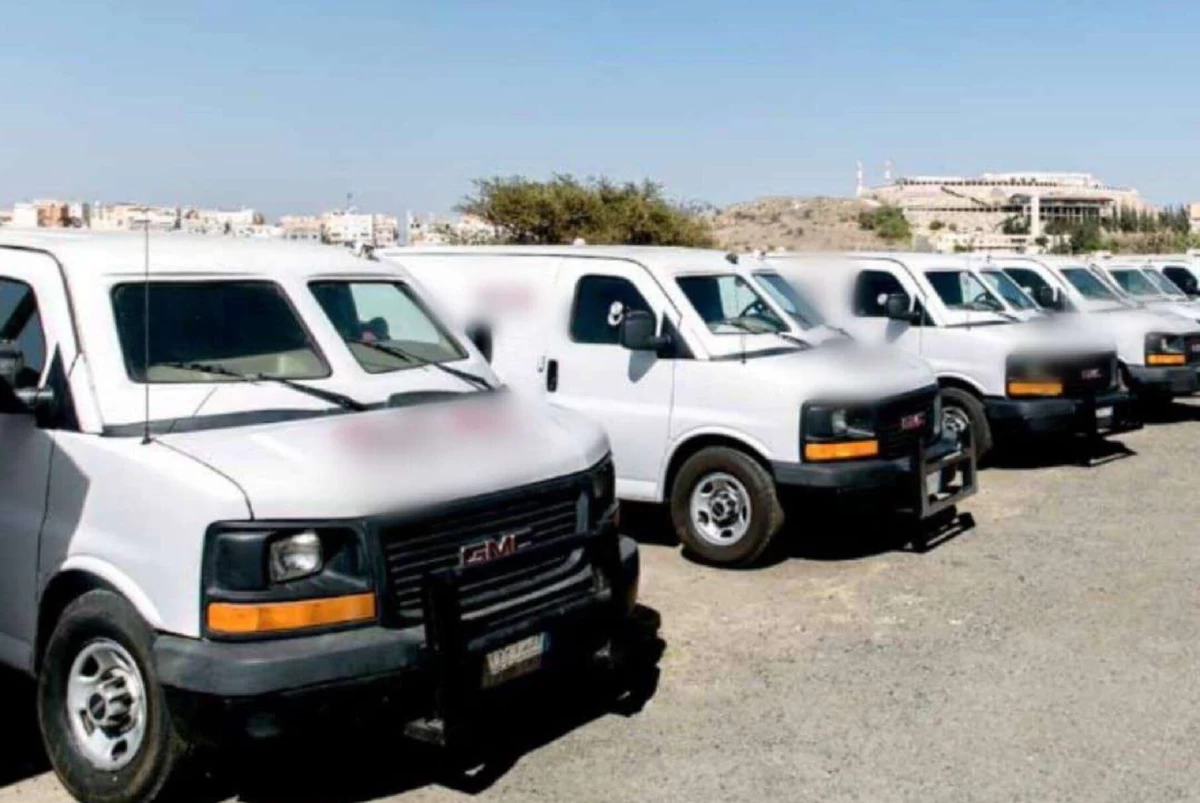

KUWAIT CITY, Jan 10: Allowing excess cash from bank branches and ATMs to be stored by cash-in-transit vehicle companies poses significant operational, legal, and security risks, prompting regulatory authorities to introduce stricter controls over cash management.
By the end of last September, ATM withdrawal transactions had reached KD 6.835 billion, accounting for 19.9 percent of the total value of card-based transactions in Kuwait. With approximately 2,400 ATMs operating nationwide, the scale of cash circulation has increased substantially.
Cash-in-transit vehicles are a common sight on Kuwait’s main and secondary roads, carrying large sums of money to supply bank branches and ATMs. Traditionally, surplus cash was temporarily stored by cash transportation companies until it was redistributed, often within 24 hours. However, recent developments have led regulators to demand a new operational framework to ensure that bank funds do not remain outside bank vaults overnight, whether during receipt or delivery.
Unlicensed Storage Raises Concerns
Sources stated that on several occasions, large amounts of cash were discovered in unlicensed storage locations. Investigations later revealed that these funds belonged to cash transportation companies operating without proper authorization, exposing banks to serious operational, legal, and security risks, as well as blurred lines of accountability.
In response, the Central Bank of Kuwait (CBK) directed local banks to strictly prohibit the safekeeping or storage of any bank-owned cash with third parties. The CBK stressed that responsibility for cash storage rests solely with banks and must be limited to premises fully managed and supervised by them, and subject to bank-approved protection, control, and security procedures.
Strengthening Sector Resilience
The CBK’s directive is part of its broader efforts to enhance the resilience and safety of the banking sector, while mitigating risks associated with cash custody, governance, and accountability. The measures align with international best practices and supervisory standards for cash and liquidity management.
Banks are required to adhere to high-level standards for cash storage facilities, including the following minimum requirements:
Security Controls:
Banks must implement integrated systems that provide 24/7 security monitoring, access control based on authorization, and alarm and fire protection systems. International standards for secure cash storage and transportation must be observed, with a clear segregation of duties to reduce operational and internal risks.
Operational Procedures:
The CBK emphasized the need for written and senior management–approved operational policies that fully document the cash lifecycle from receipt to delivery. These procedures must include dual-control mechanisms, internal audit controls, and the maintenance of accurate, verifiable records for all transactions.
Business Continuity:
Banks must develop and implement approved business continuity plans, including the identification of alternative locations and contingency operating arrangements to ensure uninterrupted services. Periodic testing of these plans is mandatory, with results properly documented.
Emergency and Crisis Management:
Approved emergency response and crisis management plans must be in place to address natural disasters, technical failures, and security incidents. These plans should include clear escalation and decision-making procedures, as well as regular employee training on emergency scenarios.
Full Accountability
The Central Bank reiterated that banks bear full responsibility for the safety of cash, including storage, safekeeping, and insurance procedures. Banks have been instructed to immediately review their current practices, take corrective action without delay, and provide the regulator with any information or reports it may request. Compliance will be closely monitored through ongoing supervisory and inspection activities.
The directive also requires the new cash-handling mechanism to ensure uninterrupted liquidity flows to bank branches and ATMs of all categories. This includes standardizing transportation processes, enhancing efficiency, and applying the highest security and operational standards, in line with regulations governing banks’ engagement with qualified cash transportation service providers.
Round-the-Clock Vault Operations
Bank officials are currently assessing the technical and operational requirements needed to fully prohibit third-party cash storage. A key consideration is the operation of each bank’s main vault on a 24-hour basis to meet continuous ATM cash replenishment needs.
Sources noted that cheque settlements currently extend until 7:45 pm, while interbank transfer settlements continue until 11:45 pm. Under the new directive, each bank will operate a dedicated cash center to ensure the availability of cash withdrawal liquidity throughout the day.