



06/09/2026

Share:
06/09/2026
Share:
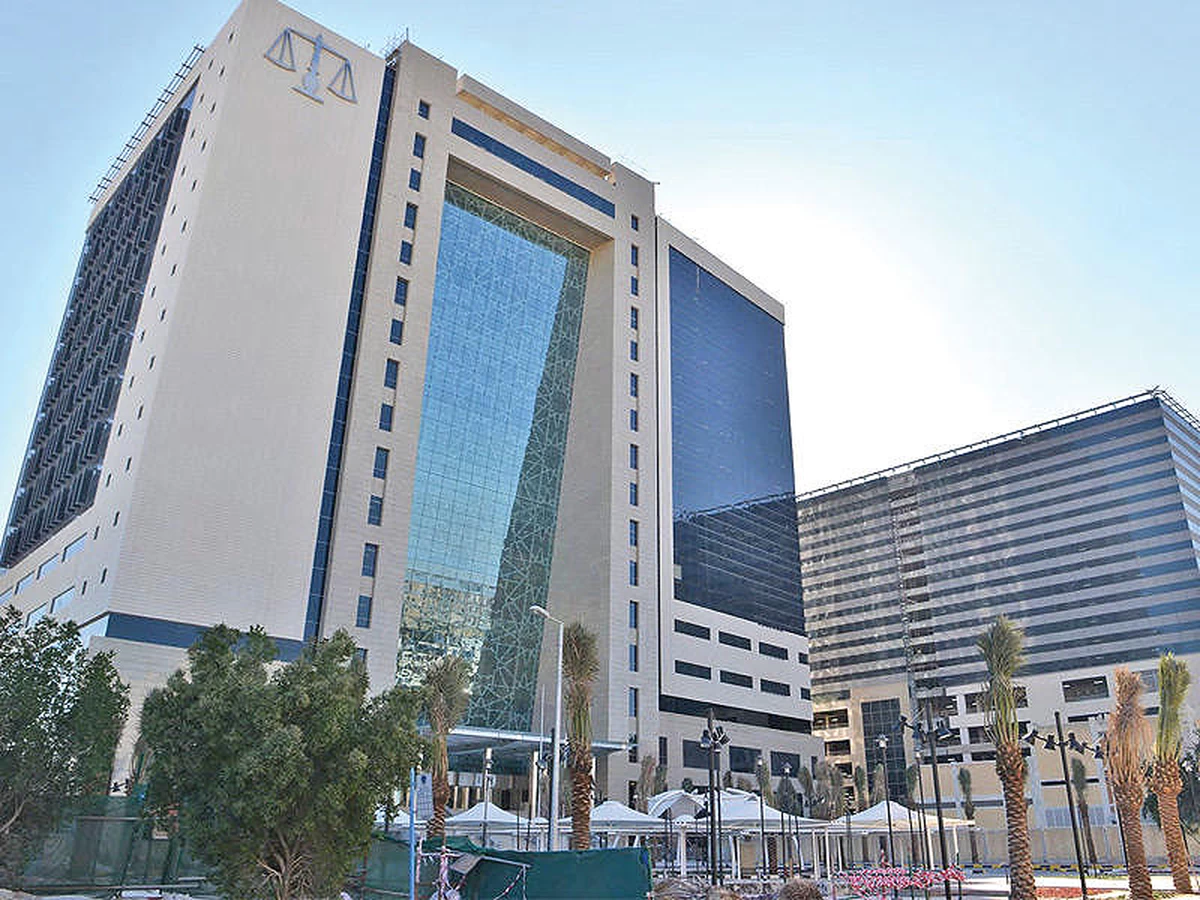
Kuwait Court

KUWAIT CITY, Sep 6 : The Court of Cassation, presided over by Counselor Sultan Bourisli, has detailed the grounds behind its convictions of a number of former members of parliament and other defendants in cases involving the alleged broadcasting of false news and malicious rumors concerning the country’s internal affairs.
According to the grounds of the ruling, the court found that the accused had deliberately published what it described as “false and malicious news and rumors” through their personal accounts on the X platform, while being aware of the alleged falsity of the information.
The court said some of the posts attributed allegations to relevant Ministry of Interior authorities concerning constitutional violations and claimed that Kuwaiti citizens were being prevented from returning to Kuwait. The court concluded that such publications presented an untrue picture of conditions inside the country and could undermine the state’s reputation and prestige and harm national interests.
The ruling stressed that the defendants had used personal social media accounts knowing that the platform provides wide and immediate publicity both inside and outside Kuwait. The court found that the manner in which the information was presented was sufficient to establish the material and moral elements of the offense.
Court rejects permissible-criticism argument
The court also rejected the argument that the publications constituted permissible criticism, stressing that freedom of expression does not extend to the deliberate dissemination of false news, statements or malicious rumors concerning the country’s internal conditions.
According to the ruling, permissible criticism involves expressing an opinion about a matter or action without crossing the boundary into the dissemination of false information or malicious rumors. Once that boundary is crossed and criminal intent is established, the court said, punishment is warranted under Article 15 of Law No. 31 of 1971.
The court further stated that the publications had to be examined in the context of the circumstances surrounding the incidents in question, including whether they were intended to spread rumors and chaos, shake stability, obstruct security procedures or duties, and harm national interests.
Sentences and undertakings
The court refrained from imposing prison sentences on Adil Al-Damkhi, Muhammad Al-Dosari, Muhammad Jawhar Hayat, Khalid Al-Mans, Hamad Al-Mudlij, Osama Al-Zaid, Muhammad Haif, Shuaib Shabaan, Fallah Al-Hajri, Saud Al-Asfour, Muhammad Al-Raqib and Bader Al-Dahoum.
Instead, each was ordered to provide an undertaking backed by a KD 1,000 financial guarantee, committing to maintain good conduct for two years.
Meanwhile, the court sentenced Muslim Al-Barrak and Salem Al-Namlan to three years in prison, citing their status as repeat offenders following previous final and binding convictions.
The ruling emphasized that the court considered the content, circumstances and manner of publication in determining whether the conduct crossed the legal boundary between protected criticism and punishable dissemination of false information.