


02/06/2026

Share:
02/06/2026
Share:
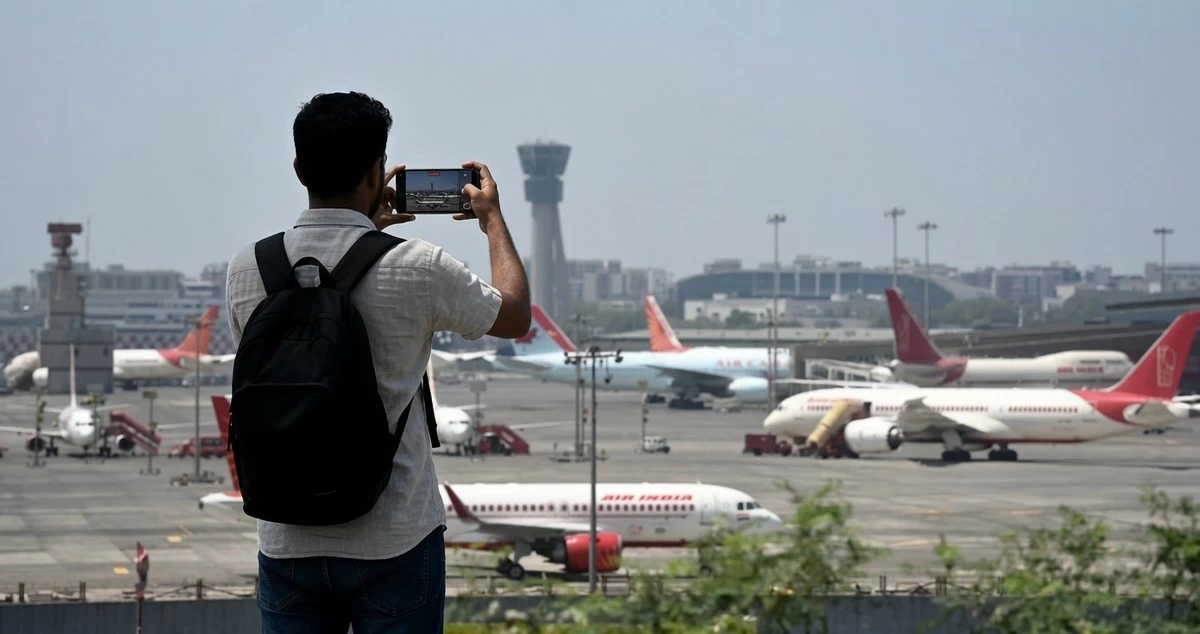

NEW DELHI, Jun 2: India's aviation regulator, the Directorate General of Civil Aviation (DGCA), has introduced stricter regulations governing photography and videography at airports across the country, warning that unauthorized filming in restricted areas could lead to penalties ranging from fines and device confiscation to placement on the no-fly list in serious cases.
The move comes amid a growing trend of passengers, influencers and content creators producing travel vlogs, reels and livestreams inside airports. Authorities say such content can inadvertently capture sensitive operational and security-related information, posing potential risks to airport safety and aviation security.
Under the updated rules, passengers are prohibited from taking photos or recording videos in restricted zones, including security screening checkpoints, boarding gates, runway transport buses, aircraft parking and handling areas (aprons), and other operational sections of airports. Officials said the restrictions are intended to prevent the exposure of surveillance systems, security layouts, staff movement patterns and operational procedures.
Violations may result in the immediate deletion of recorded content, confiscation of mobile phones or cameras, financial penalties, and further investigation of devices in more serious cases. Authorities also warned that passengers who commit serious or repeated violations could be recommended for inclusion on the DGCA's no-fly list.
Under India's civil aviation regulations, passengers placed on the no-fly list may face flying restrictions ranging from up to three months for Level 1 violations, up to six months for Level 2 violations, and a minimum of two years or longer for the most serious offences.
The DGCA has also imposed strict requirements for commercial photography and filming activities. Any professional filming, including brand promotions, documentaries or social media productions, requires prior approval from airport authorities and relevant security agencies. Foreign nationals involved in photography activities must also obtain the necessary security clearances before undertaking any work at airports.
Despite the tighter restrictions, photography and videography remain permitted in public areas such as check-in halls, food courts and general arrival and departure concourses, provided passengers comply with airport signage and instructions from airport personnel.
Authorities have urged travelers to exercise caution when creating content at airports, emphasizing that even seemingly harmless recordings in operational zones could trigger enforcement action under the revised rules.