



28/09/2026

Share:
28/09/2026
Share:

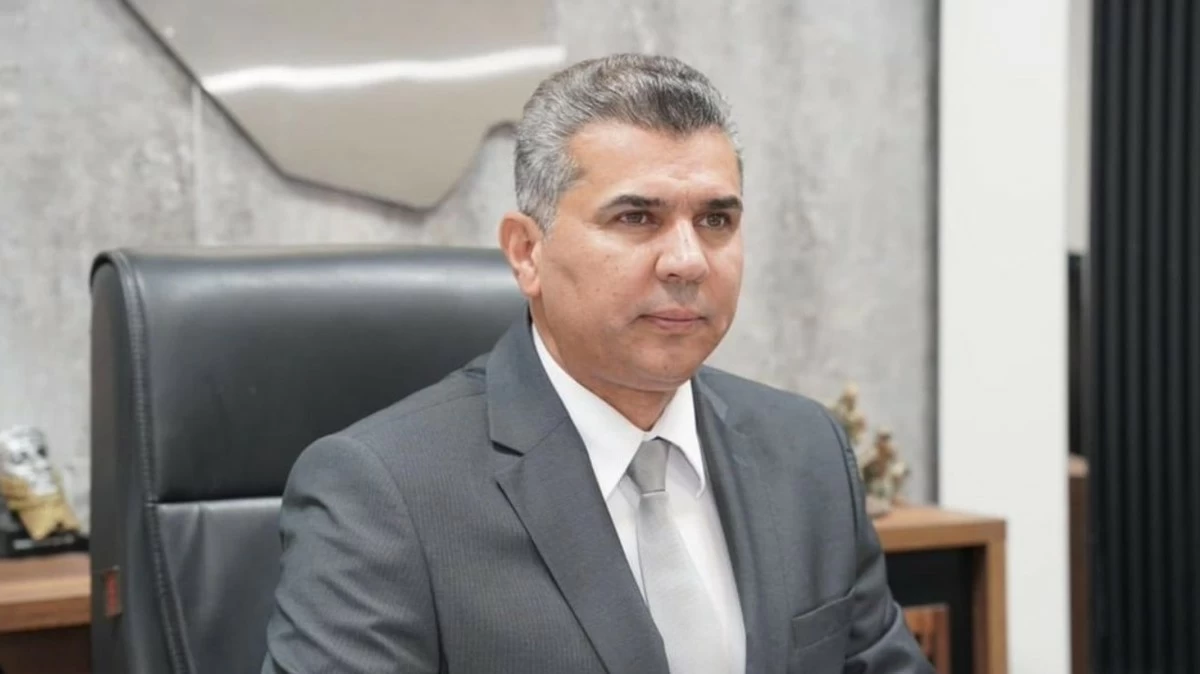
Speaking to journalists alongside Sabah Al-Nu’man, spokesperson for the Commander-in-Chief of the Armed Forces and official spokesperson for the military and security establishment, Maan highlighted the core function of the Iraqi Security Media Cell in managing inter-agency coordination. He said this includes liaison among the ministries of Interior, Defense and National Security, Popular Mobilization Forces, Peshmerga, and external media outlets. He explained that establishing links between the Iraqi Security Media Cell and its counterparts in the Kuwaiti ministries of Interior and Defense is central to achieving “joint security messaging.”
He pointed out this framework facilitates swift verification and rapid clarification of any ambiguous information, adding that a direct point of contact for public inquiries eliminates information gaps and ensures immediate responses. Furthermore, both sides agreed to exchange expertise and visits, collaborate on security-related academic matters, and enhance overall media proficiency. Maan emphasized that meetings with the Ministry of Interior officials, along with technical sessions involving media representatives from the kuwaiti Ministries of Interior and Defense, are considered “genuine starting point for Iraqi-Kuwaiti security cooperation.”
On regional dynamics, he stated that despite being situated in a volatile environment, Iraq is committed to avoiding conflict and preserving its achievements and relations with neighboring states, particularly Kuwait. He stressed that these ties rely not only on diplomacy but also on “soft power, shared communication environment, and commonalities” that enable the resolution of issues through direct dialogue. Regarding reports alleging the use of Iraqi territory to target neighboring states, Maan clarified that “some attacks attributed to Iraq did not originate there.” He cited the country’s vast geography and the presence of over a million non-Iraqis as factors necessitating careful information verification.
On combating narcotics and organized crime, Maan praised Kuwaiti-Iraqi cooperation as a major recent success story, citing the successful joint operations against drugs and psychotropic substances. He described this cooperation as “proactive,” shifting toward pre-incident information sharing to effectively curb drug trafficking and enable joint field operations within legal frameworks. He asserted that long-standing coordination regarding counter-narcotics and border security includes real-time information sharing and incident management between land and maritime border force commands. While occasional border issues may arise from fishermen’s movements or other factors, he stressed that these are managed through “mutual understanding and the rule of law” in accordance with established legal protocols. Calling for responsible and measured media discourse on border matters, he cautioned against allowing issues resolvable through official channels to escalate into sources of tension. He affirmed that the Iraqi leadership “will not allow Iraq to become a source of threat to any neighboring country,” nor accept threats or aggression directed at Iraq. He concluded on an optimistic note, stating that political, security and diplomatic indicators point toward greater regional stability.
On the other hand, Sabah al-Nu’man affirmed that Iraqi security forces assumed full responsibility for national security, maintaining active deployments in all regions. He said his capability coincides with finalizing arrangements to conclude the International Coalition’s mission. Reiterating Iraq’s stance, he stated that the nation will neither permit its territory to be used as a launch pad for threats against neighbors nor tolerate external aggression, stressing that efforts to regulate weaponry and enhance military capabilities are proceeding rapidly. He explained that concluding the mission of the coalition followed an official Iraqi request and a thorough assessment of force readiness in personnel and equipment.
“Moving forward, security relations with supporting nations—including the United States, the United Kingdom, France and Germany—will transition to a bilateral cooperation framework. This evolving partnership will focus on intelligence sharing, training, armament, and capacity building based on mutual equality. The end of the Coalition mission marks the transition to a new phase grounded in full Iraqi sovereignty,” he added. He stated that ISIS has significantly diminished, with only dozens of its members remaining in mountainous and remote areas—particularly in parts of Kirkuk—and no presence within the cities. He explained that confronting these remnants relies primarily on intelligence gathering and target identification, coordinated with the air targeting cell and the Iraqi Air Force’s strike capabilities. He praised the role of the International Coalition—particularly the United States—in combating the organization since its inception in 2014 with the specific mission of confronting it. He asserted that the conclusion of the mission’s original rationale paves the way for a new phase of bilateral security cooperation.
On regional tensions, he said “Iraq has not been, and will not be, a party to any regional war. The repercussions of the US-Iran conflict affected the security and economies of Iraq, Kuwait and the region. These unstable conditions make the exchange of information, coordination and joint security operations with fraternal nations—foremost among them Kuwait—essential for protecting societies and bolstering stability.” He stressed that all Iraqi security forces operate under the orders of the Prime Minister, in his capacity as Commanderin- Chief of the Armed Forces, and that decisions regarding war and peace are governed by constitutional and legal frameworks. He clarified that the Popular Mobilization Forces (PMF) are legally part of the Iraqi security apparatus, and that all security and military formations are subject to state authority and the command of the armed forces. He added that strengthening security and media coordination between Kuwait and Iraq is a move to expand the exchange of information and expertise, and to address issues through official channels, thereby, enhancing the security of both countries and addressing shared challenges.