



26/02/2026

Share:
26/02/2026
Share:

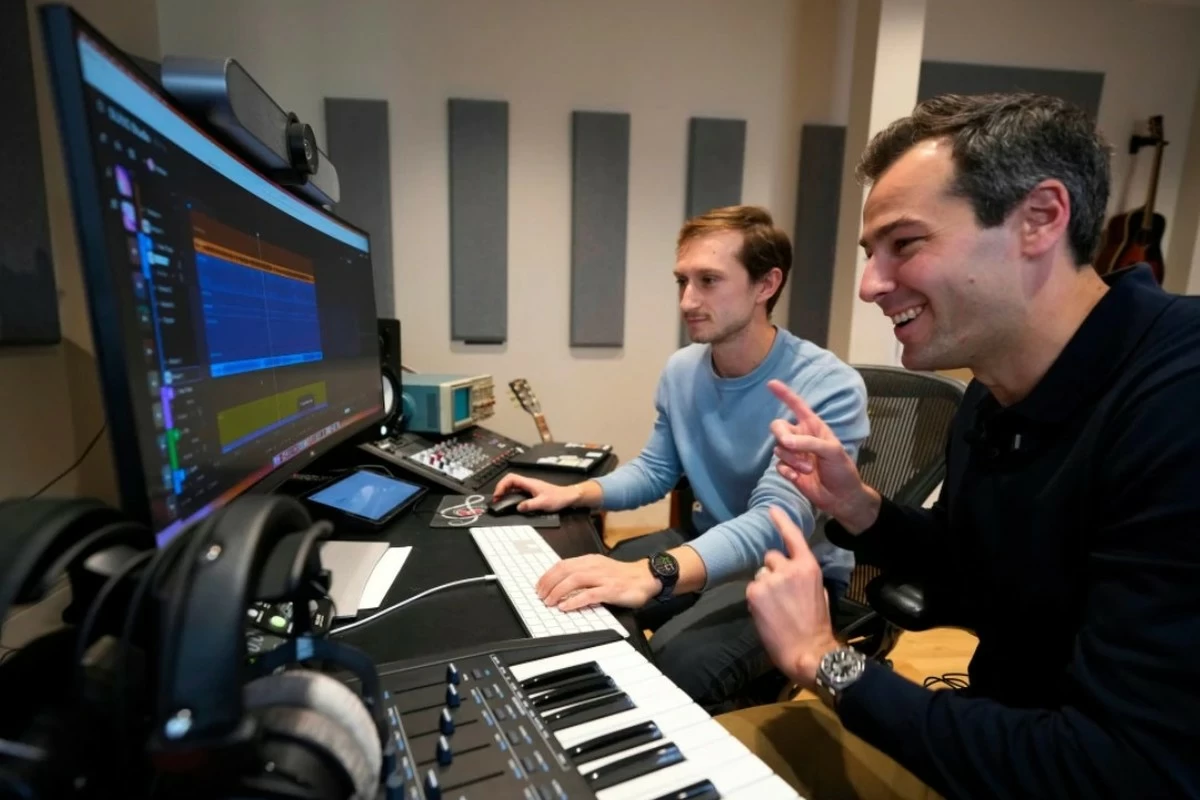
CAMBRIDGE, Mass. (AP), Feb 26: At Suno’s Cambridge office, CEO Mikey Shulman watches as a research scientist generates a new song using artificial intelligence. Neither plays an instrument; instead, they type prompts like “Afrobeat, flute, 90 BPM” and watch the AI produce a rhythm instantly.
Platforms like Suno and New York-based Udio allow users to create music without musical training, making AI-generated songs accessible to anyone. But using AI to mimic the voices and styles of existing artists has sparked controversy. In 2024, Sony, Universal, and Warner sued the startups for copyright infringement.
Since then, both companies have sought to work with the music industry. Suno, now valued at $2.45 billion, settled with Warner, while Udio has agreements with Warner, Universal, and independent label Merlin. Sony remains the only major label still in litigation.
“We believe working together with the music industry is the only path forward,” Shulman said. Udio CEO Andrew Sanchez echoed the sentiment, emphasizing the desire for AI users to stay connected to their favorite artists while respecting copyrights.
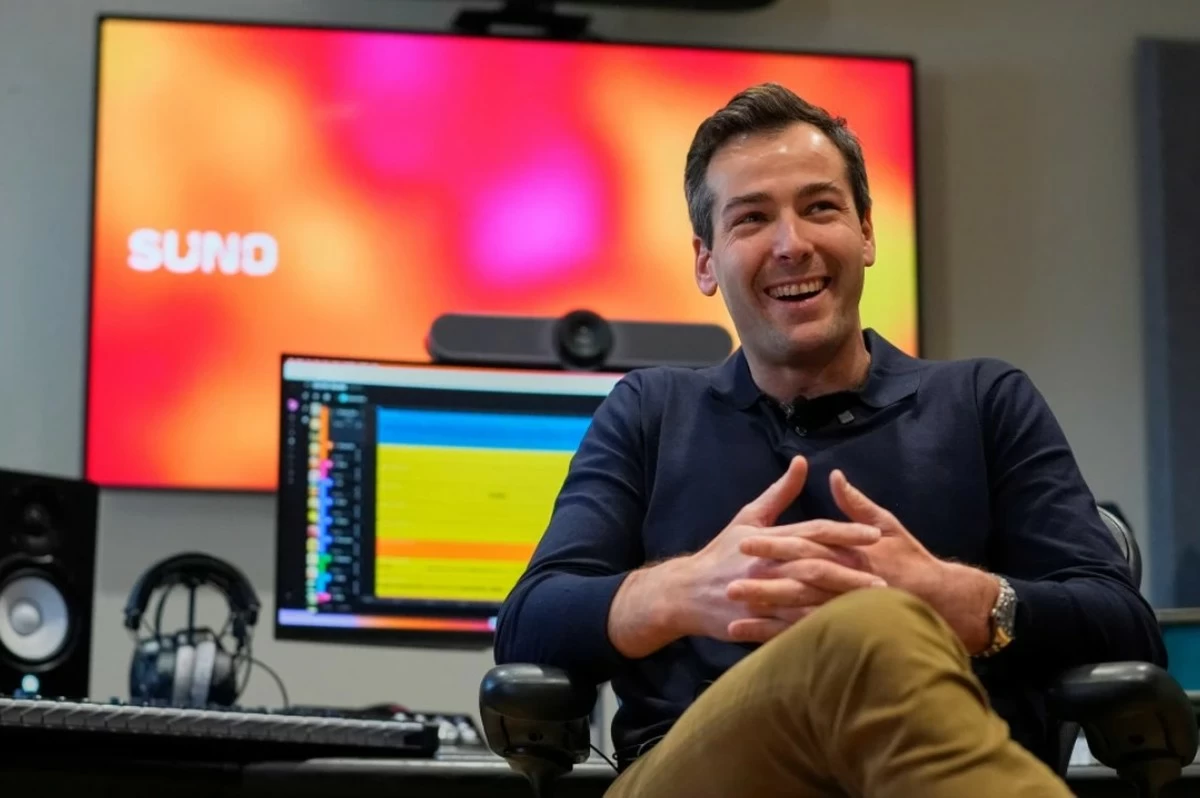
Many musicians remain wary. Singer-songwriter Tift Merritt, co-chair of the Artists Rights Alliance, said AI companies have relied on musicians’ intellectual property without consent or payment. “The economy of AI music is built on our work without transparency,” she said.
Shulman acknowledged the tension, noting that technology often evolves faster than law, and that Suno aims to balance legality with user demand. He also clarified a controversial remark about music not always being enjoyable, emphasizing that creating music remains personally rewarding.
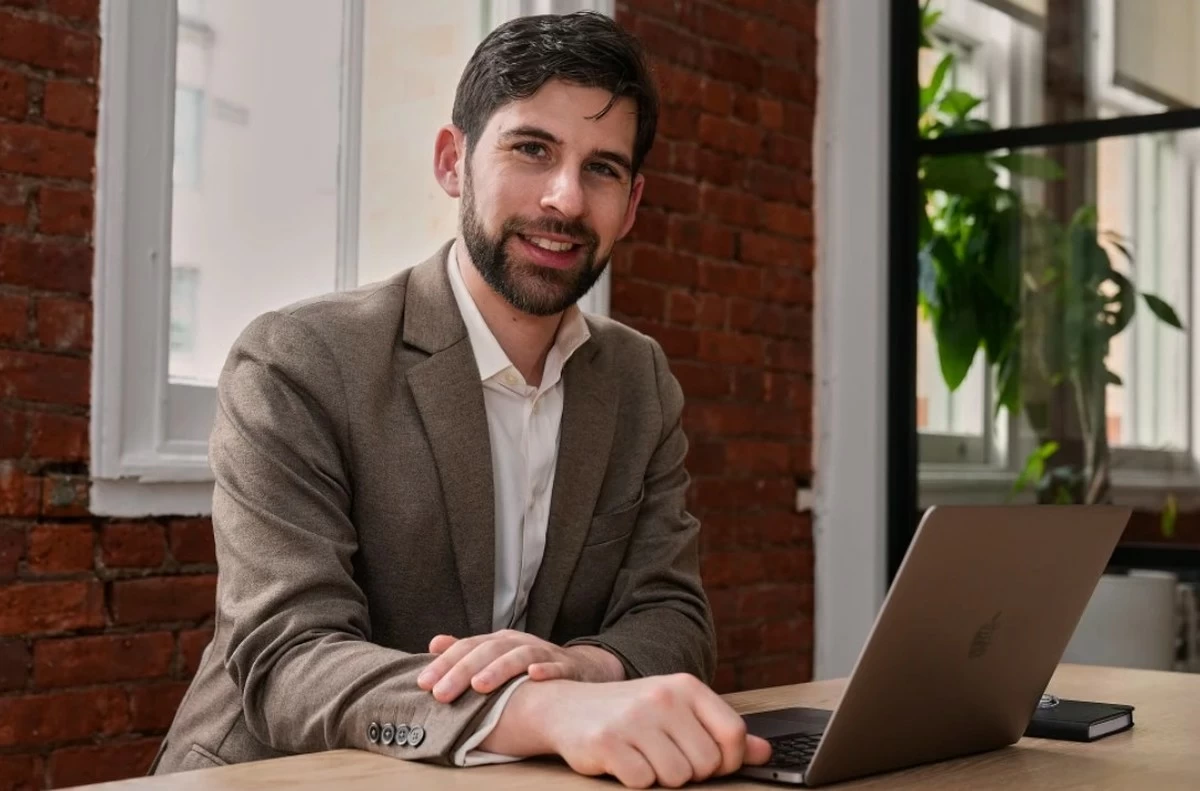
Sanchez, an opera-trained tenor, positions Udio as a friendly alternative to aggressive tech models, aiming to collaborate rather than alienate artists. Some musicians see potential: independent producer Christopher “Topher” Townsend uses AI to create Billboard-charting gospel tracks quickly, blending AI-generated vocals, lyrics, and visuals.
Jonathan Wyner, Berklee College of Music professor, frames AI as a tool to expand creative possibilities and accessibility. Yet concerns remain about fairness for independent artists and the ethical use of existing works.
While neither Shulman nor Sanchez attended the Grammys in February, both continue engaging with the industry, hoping for future recognition as AI music evolves.