


04/03/2026

Share:
04/03/2026
Share:
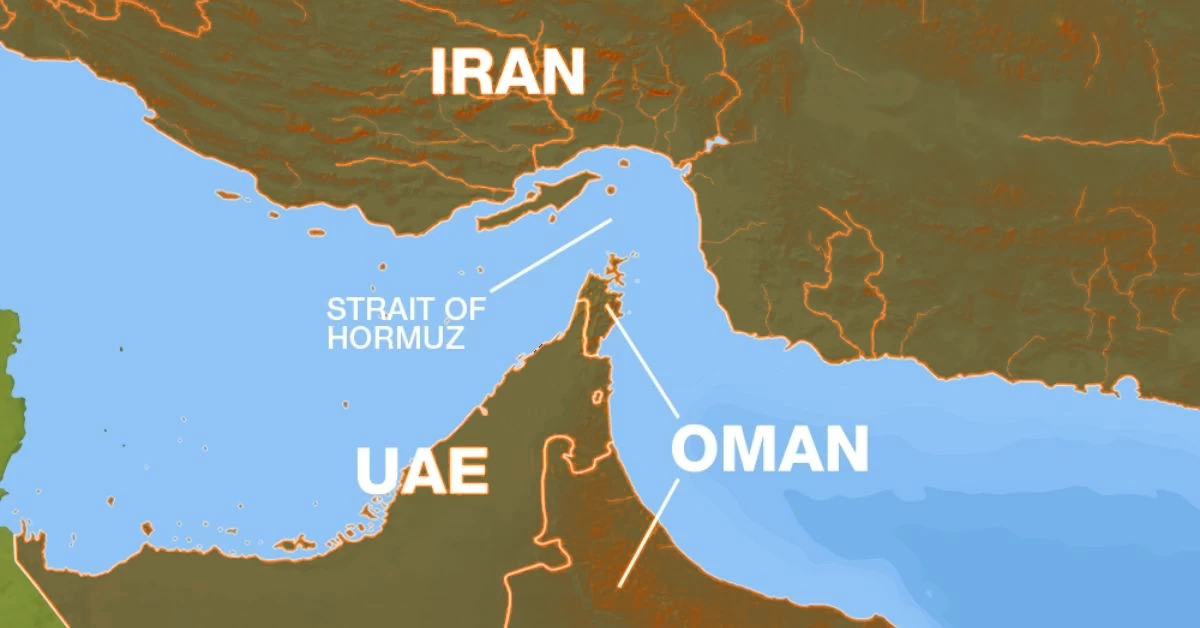

KUWAIT CITY, March 4: Oil experts have identified alternative routes for exporting Kuwaiti oil in the event of the total closure of the Strait of Hormuz. In an interview with the newspaper, these experts suggested the repetition of the 1980s approach, when Kuwaiti oil shipments were disrupted during the Iran-Iraq War. At that time, Kuwaiti oil was transported through the Arabian Sea in Oman to Asian countries. They said Kuwait could export its oil through the waters of the divided zone between Kuwait and Saudi Arabia, and then through the oil pipelines of the Kingdom. They also emphasized the importance of activating the 2013 project of Kuwait Petroleum Corporation (KPC) -- the construction of long-distance pipelines for exporting Kuwaiti oil in case the Strait of Hormuz is closed. They stressed the need to reactivate the Tapline pipeline, which connects Saudi Arabia to the Lebanese port of Sidon, particularly since this pipeline could play a significant role in transporting Gulf oil, bypassing the Strait of Hormuz during crises.
A source confirmed that KPC has several alternative routes for exporting its oil if the Strait of Hormuz closes completely. He said the most important of these routes is exporting oil to Asia through the Arabian Sea in Oman, especially since Kuwait used this route during the Iran-Iraq War, which lasted from 1980 to 1988. He added that Kuwaiti oil is also stored in the port of Duqm, which overlooks the Arabian Sea, for use when needed. The source stated that there is no problem exporting oil to Europe, as this could be done through the Suez Canal or the Egyptian SUMED pipeline, which connects the Arabian Gulf to Europe and America, especially since Kuwait’s share in the SUMED pipeline investment is around 15 percent.
The source affirmed that KPC is currently studying the expansion of its oil storage projects abroad, especially since it launched its first shipment of oil for storage in South Korea several months ago. He revealed that the storage capacity for Kuwaiti oil in Ulsan, South Korea is four million barrels of crude oil. Meanwhile, former Arab Shipping Company official and oil analyst Hajjaj Boukhadour asserted that “Iran will not dare to completely close the Strait of Hormuz, as doing so could antagonize the entire world. Complete closure of the Strait is far more dangerous than the current war between the United States and Israel against Iran. It will be tantamount to a war against the entire world. Therefore, whenever Iran targets a tanker, it does so using small boats.” Asked about how Kuwait will export its oil if the Strait is completely closed, he stressed that KPC has other options.
He cited he strategy used in the 1980s by utilizing the western Gulf coasts, such as those of Saudi Arabia and the United Arab Emirates (UAE), and then extending to the Arabian Sea in Oman. He pointed out that while this route is longer than exporting oil through the Strait of Hormuz, it is safer. He indicated that this is the most likely option being considered by KPC. He also urged KPC to complete the oil export pipeline project outside the country, which was proposed in 2013. He explained that the geopolitical problems the region experienced over the past three years prompted KPC to propose the oil pipeline project before the current conflict between the US and Israel against Iran.
He said some Gulf states have already constructed oil pipelines to export their oil in the event of escalating crises in the Strait of Hormuz, citing the pipeline connecting Abu Dhabi to Fujairah, near the Arabian Sea in Oman, as an example. He also pointed out that Saudi Arabia has numerous pipeline connections to the East and West that could be used to transport Kuwaiti oil Lawyer and oil analyst Salem Al-Kandari mentioned the possibility of transporting Kuwaiti oil through Saudi Arabia, especially since the shared maritime border makes this possible. He cited as evidence the pipeline that transports gas from the Khafji Joint Operations to Kuwait, which was opened in 2021 and is 100 kilometers long.
At the same time, he stressed the importance of coordination among the Gulf Cooperation Council (GCC) countries regarding the need to export Gulf oil during crises that threaten the movement of tankers through the Strait of Hormuz. He pointed out that the current crisis requires finding alternatives and to implement them as quickly as possible. He is hoping to revive the experience of the Tapline oil pipeline, which used to extend from eastern Saudi Arabia and then North to the port of Sidon in Lebanon, with a length of 1,648 kilometers, considering its capacity of five million barrels of oil. He explained that the goal of the Tapline pipeline, operated in 1950, was to transport Gulf oil to European markets through the Mediterranean Sea, indicating it operated for four decades, but it stopped after the liberation of Kuwait.
By Najeh Bilal Al-Seyassah/Arab Times Staff