



03/03/2026

Share:
03/03/2026
Share:
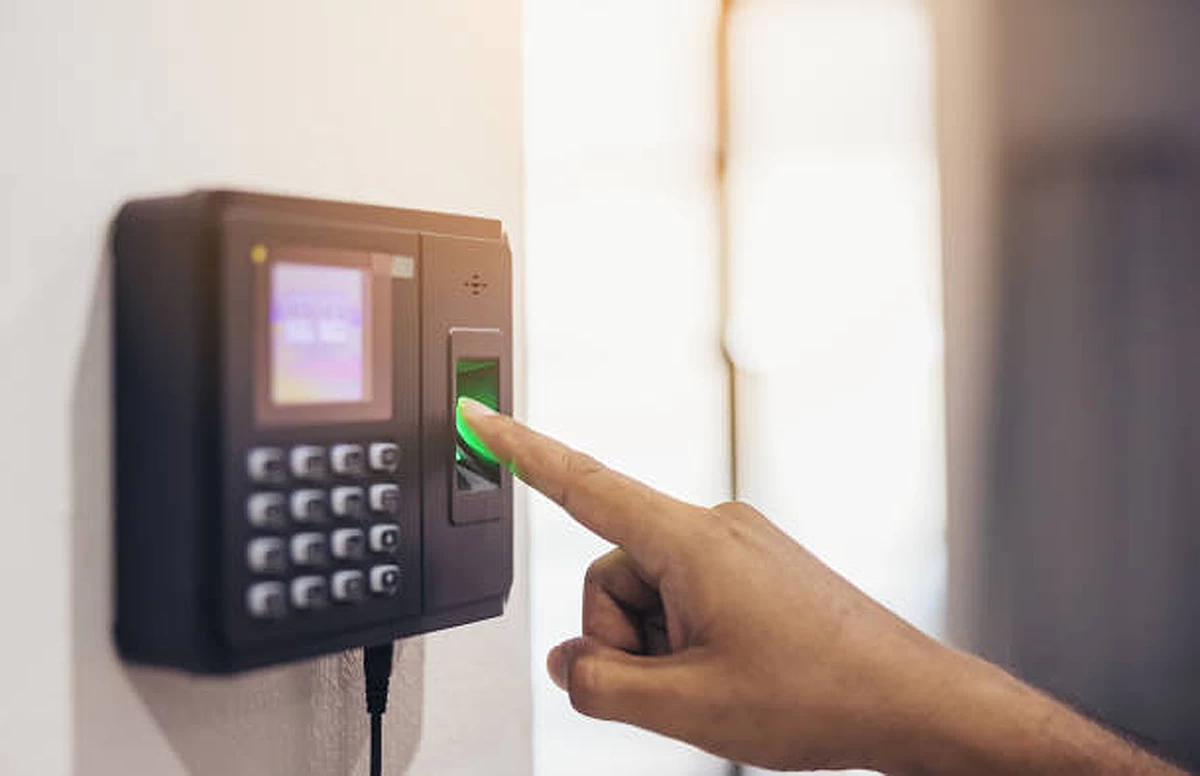

KUWAIT CITY, March 3: The Civil Service Commission (CSC) confirmed that fingerprint attendance is not required for employees exempted from work under Circular No. 4/2026 on the determination of the number of workers in government entities in light of the current circumstances in the region, reports Al-Seyassah daily. The CSC issued a clarification in response to inquiries about the circular, stating that each government entity has the authority to determine the number of employees needed to report for work, provided that the number does not exceed 30 percent of the total workforce.
It stated that employees exempted from work are considered as having fulfilled their duties and are not obligated to record fingerprint attendance. Employees who report for work will remain subject to the work regulations applied during Ramadan, including official working hours, flexible schedule and the permitted number of leave requests. To ensure employee commitment during these exceptional conditions, the fingerprint attendance system will continue to apply to all staff members who are required to report for work. Each entity will determine the priority for selecting employees to work either through a rotation system, without rotation or via remote work, depending on operational requirements and the nature of its activities, while the shift system has been suspended.
Under the evening shift arrangement, entities may select evening shift staff from among employees assigned to the morning shift, in accordance with work requirements. With regard to employees with disabilities or those caring for a person with a disability, their work status is regulated by the Public Authority for Disability Affairs (PADA) in accordance with the applicable laws and regulations. Entities with special operational circumstances will have their work systems determined by the competent authorities, in a manner that serves public interest.