

19/11/2026

Share:
19/11/2026
Share:

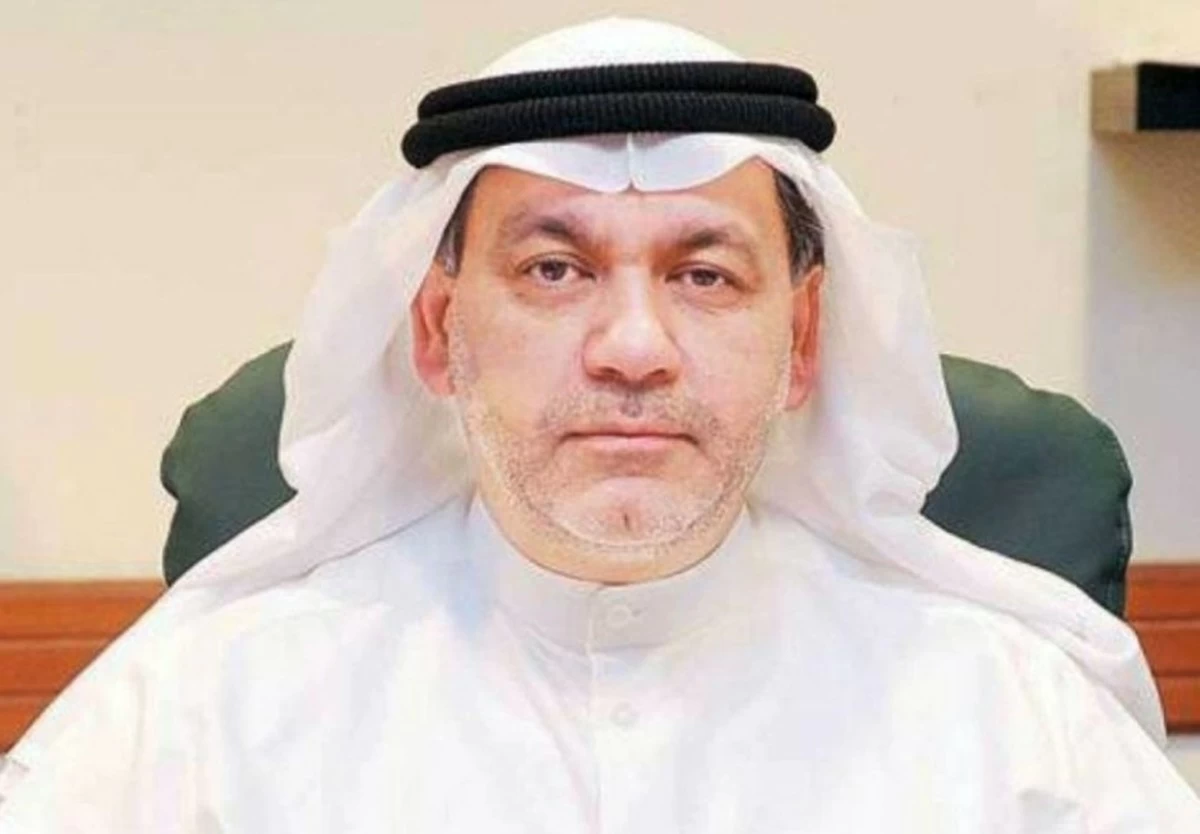
Municipal Council member Dr. Hassan Kamal
KUWAIT CITY, Nov 19: Municipal Council member Dr. Hassan Kamal stressed the need to link the results of traffic impact studies with the issuance of building permits, land-use changes, road development and public transport systems to protect the road network of the country and prevent the worsening of the traffic congestion problem. Kamal explained that traffic studies assess the capacity of surrounding roads to accommodate new projects, identify potential bottlenecks, and propose engineering solutions.
However, he pointed out that the reality regarding certain licensed projects—or those that have undergone land-use changes, particularly in established urban areas—reveals a gap between the requirements set out in these studies and the actual implementation of their recommendations prior to project licensing and operation. He said this gap widens when solutions are limited to road expansion, failing to incorporate public transport systems that could reduce reliance on private vehicles.
He indicated that traffic management requires close coordination among three key entities, in addition to the project developers, as follows: the Kuwait Municipality that grants permits and oversees land use, the Traffic General Department at the Ministry of Interior that approves traffic impact studies, and the Ministry of Public Works that is in charge of the design, construction and supervision of roads. He pointed out that the lack of coordination among these entities defers crises. He stated that new projects, changes in land use, and revisions to building regulations or permitted activities increase density, hence putting more strain on infrastructure that is not equipped to handle such demands.
He suggested that the Ministry of Public Works and project developers must be required to implement the recommendations of approved traffic studies before any project becomes operational, ensuring that potential issues are addressed before they evolve into problems that are difficult to solve through engineering interventions. He called for rigorous scrutiny of the quality of data inputs for these studies, as well as the engineering standards applied.
He asserted that neglecting such studies creates a cumulative impact, extending beyond localized bottlenecks to affect districts, governorates and the nation as a whole. He said urban expansion without proper traffic integration diminishes road efficiency, drains the economy and hinders development. He clarified that expanding roads alone cannot resolve congestion in view of population growth, as increasing road capacity often attracts more vehicles, such that bottlenecks return within a few years. He stressed that public transportation is the most efficient means of moving large numbers of people, while occupying less space on roads and land.
“It helps alleviate congestion, reduces costs related to time, fuel and road maintenance, lowers emissions and noise levels, enhances traffic safety, connects residential areas with employment hubs and services, and provides an additional mode of transportation,” he explained. He recommended that the master plan should integrate public transit as a fundamental component of urban planning, rather than treating it as an afterthought once land-use patterns are established.
“This can be achieved by linking the issuance of development permits with public transit provisions, reserving space for transit routes and stations, ensuring the integration of various transport modes, coordinating implementation, and establishing mandatory performance indicators for monitoring,” he added. He called for a technical audit of the inputs used in traffic studies and the adoption of predictive models that account for future population growth and geographical expansion.
He said no new investment, urban or development project should be permitted to commence operations until the traffic-related improvements and recommendations are fully implemented. He emphasized that the planning of new cities requires a proactive approach that integrates urban design with an efficient public transport system in order to ensure high quality of life and avoid costly remedial measures later on.
By Inaas Awadh Al-Seyassah/Arab Times Staff