



11/12/2025

Share:
11/12/2025
Share:
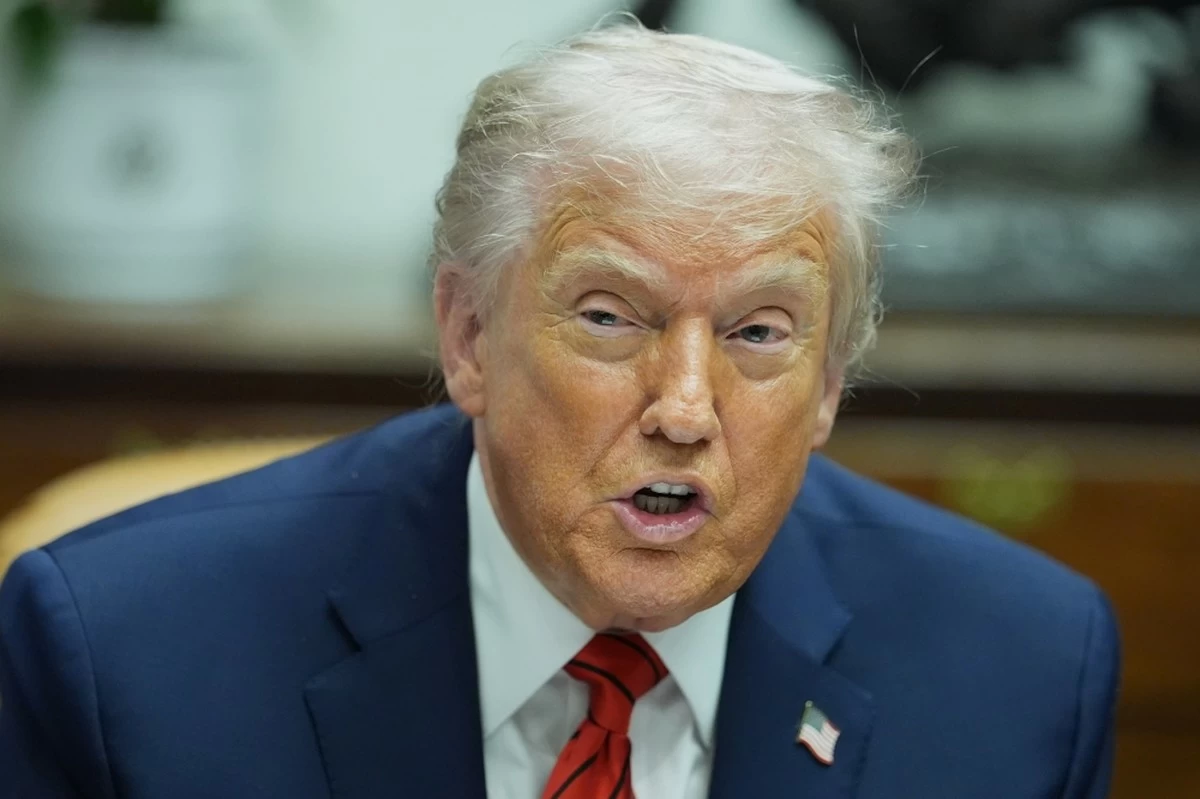
US President Donald Trump speaks during a roundtable discussion with business leaders in the Roosevelt Room of the White House, on Dec. 10, in Washington. (AP)

The New York Times, attacked by President Donald Trump for reporting about his physical condition, said on Wednesday that it wouldn’t be deterred by “false and inflammatory language” that distorts the role of a free press. The president had posted on his Truth Social platform that he believed it was “seditious, perhaps even treasonous” for the Times and other media outlets to do “FAKE” reports on his health.
“They are true Enemies of the People, and we should do something about it,” Trump wrote. The 79-year-old president wouldn’t specify, but the newspaper has posted a handful of reports about his health in recent weeks. In a Nov. 25 story headlined “Shorter Days, Signs of Fatigue: Trump Faces Realities of Aging in Office,” reporters examined Trump’s public and travel schedules to conclude Americans were seeing less of him than they were used to.
A story on Dec 2, accompanied by a video, said that Trump “appeared to be fighting sleep” during a Cabinet meeting that day. Trump says he hasn’t slowed down. Columnist Frank Bruni discussed these reports in a Dec. 8 opinion piece headlined “Trump’s Approval Ratings Have Declined. So Has His Vigor.” Bruni wrote that Americans “might want to brace ourselves for some presidential deja vu.
He’s starting to give President Joe Biden vibes.” Biden, who was in his early 80s, dropped out of the 2024 race for the White House after a disastrous debate with Trump that raised doubts about the then-incumbent’s fitness for office. Trump, in his post, said he was history’s hardest-working president with a lengthy list of accomplishments. He said he went out of his way to do “long, thorough and very boring” medical examinations, including three cognitive tests that he “ACED.”
“The New York Times, and some others, like to pretend that I am ‘slowing up,’ and maybe not as sharp as I once was, or am in poor physical health, knowing that it is not true,” the Republican president said. The health of American presidents has long been a delicate and sometimes thorny issue between the White House and the press that covers it — from Grover Cleveland’s secret tumor surgery to Woodrow Wilson’s debilitating stroke to Franklin D. Roosevelt’s polio to Dwight D. Eisenhower’s heart attack.