



22/10/2023
 Arab Times

Share:

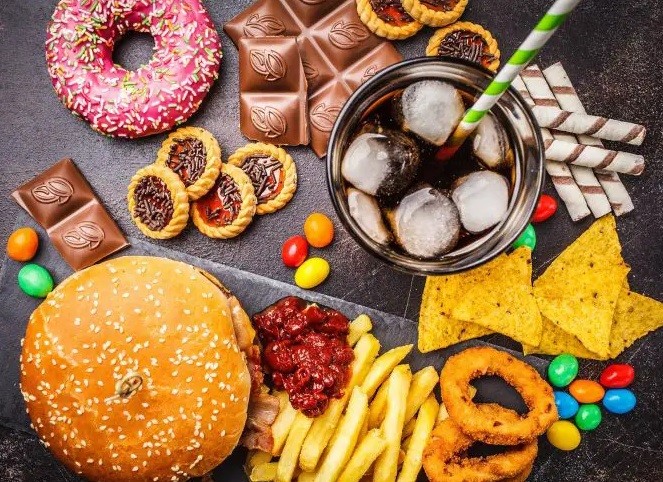
WASHINGTON, Oct 22, (Agencies): A recent study suggests that the intense desire for your favorite junk food might indicate a form of addiction. This investigation, carried out by a team of researchers from the United States, Spain, and Brazil and featured in a special edition of the British Medical Journal, unveiled alarming findings. They discovered signs of addiction to ultra-processed foods in 14% of adults and 12% of children, as assessed by the Yale Food Addiction Scale (YFAS).
Drawing data from 281 studies spanning 36 countries, the researchers found that these statistics are akin to addiction rates associated with other legal substances among adults, such as the 18% addiction rate observed with tobacco. However, what's truly startling is the "unprecedented" level of implied addiction among children.
Ultra-processed foods, encompassing common junk food items like chips, candy, and sugary breakfast cereals, are notorious for their high content of fats and carbohydrates. The speed at which these foods deliver these ingredients to the digestive system may be a critical factor in their "addictive potential." They act swiftly compared to minimally processed foods, affecting the brain more rapidly. Additionally, additives like flavor and texture might contribute to their addictive nature.
The researchers went so far as to suggest that some individuals may exhibit behaviors around ultra-processed foods that align with the criteria for diagnosing a substance use disorder. However, it's essential to note that food addiction is not officially recognized in the Diagnostic and Statistical Manual of Mental Disorders (DSM-5-TR), which healthcare professionals use for diagnosing mental disorders.
Some experts argue that labeling certain foods as addictive is a complex matter. According to Erin Palinski-Wade, a registered dietitian nutritionist who was not involved in the study, food cravings are multifaceted and intertwined with the emotional and learned aspects of eating. Foods loaded with high levels of added sugars and fats are often associated with intense cravings, potentially leading to behaviors reminiscent of addiction.