



06/09/2026

Share:
06/09/2026
Share:
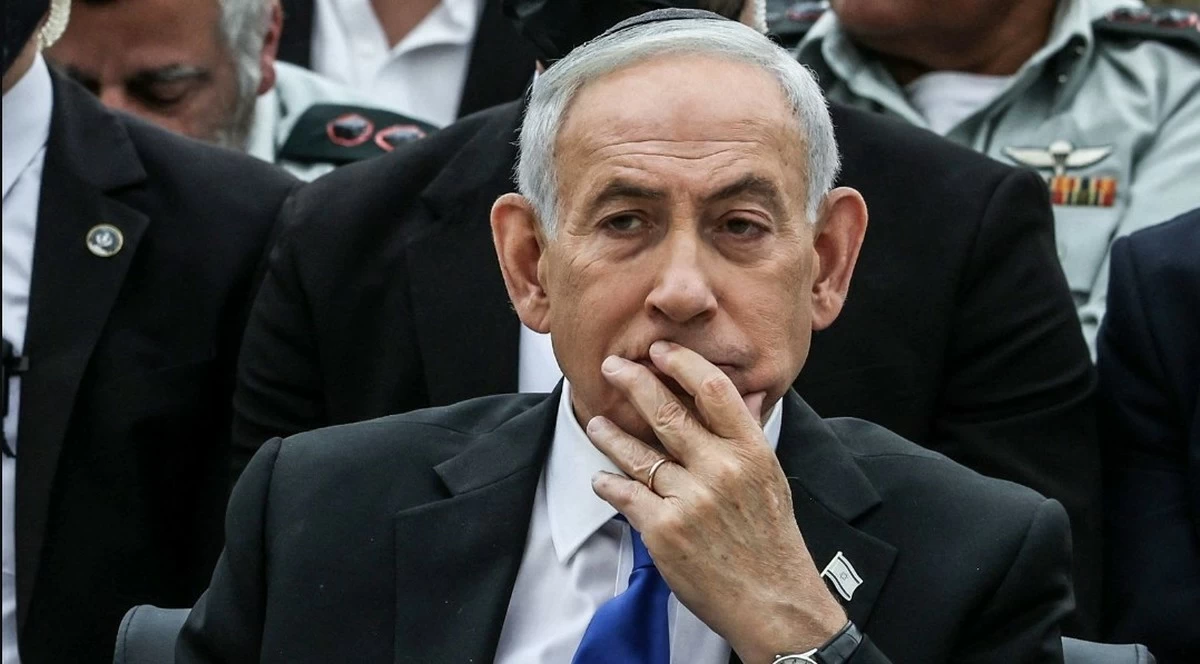

JERUSALEM, Sep 6: Israeli Prime Minister Benjamin Netanyahu on Sunday warned Iran that it would face a devastating response if Tehran launches an attack against Israel, as his popularity and support for his Likud party decline ahead of upcoming Knesset elections.
Speaking during the Israeli government’s weekly meeting, Netanyahu said, “If Iran makes a mistake and attacks us, it will receive a blow it cannot even imagine.” He added that Iran was refraining from attacking Israel because it knew the consequences.
Netanyahu made the remarks around 50 days before the Oct. 27 Knesset elections, with opinion polls showing weakening support for the prime minister and his Likud party. Israeli officials have suggested that Netanyahu is increasing military pressure on multiple fronts in an effort to maintain support among far-right political factions.
Despite losses suffered by Israel following its military operations across the region, Netanyahu claimed that “Israel is stronger than ever, and its enemies are weaker than ever.”
He also credited cooperation with the United States for what he described as major achievements in countering threats to Israel, saying the two countries had pushed back the threat posed by Iranian nuclear weapons and ballistic missiles and dealt a major blow to what he called the Iranian axis.
Netanyahu further claimed that Iran’s government was “approaching its end.”
Regional tensions have remained high since US-Israeli attacks on Iran began on Feb. 28, prompting Tehran to respond with missile and drone attacks targeting Israel and US interests across the region.
In June, Iran and the United States signed a memorandum of understanding mediated by Pakistan and Qatar, outlining steps toward ending hostilities, reopening the Strait of Hormuz and addressing economic restrictions.
However, both sides have since accused each other of failing to implement commitments under the agreement, while military tensions have continued alongside disputes over sanctions and navigation through the strategic waterway.