


28/08/2026

Share:
28/08/2026
Share:
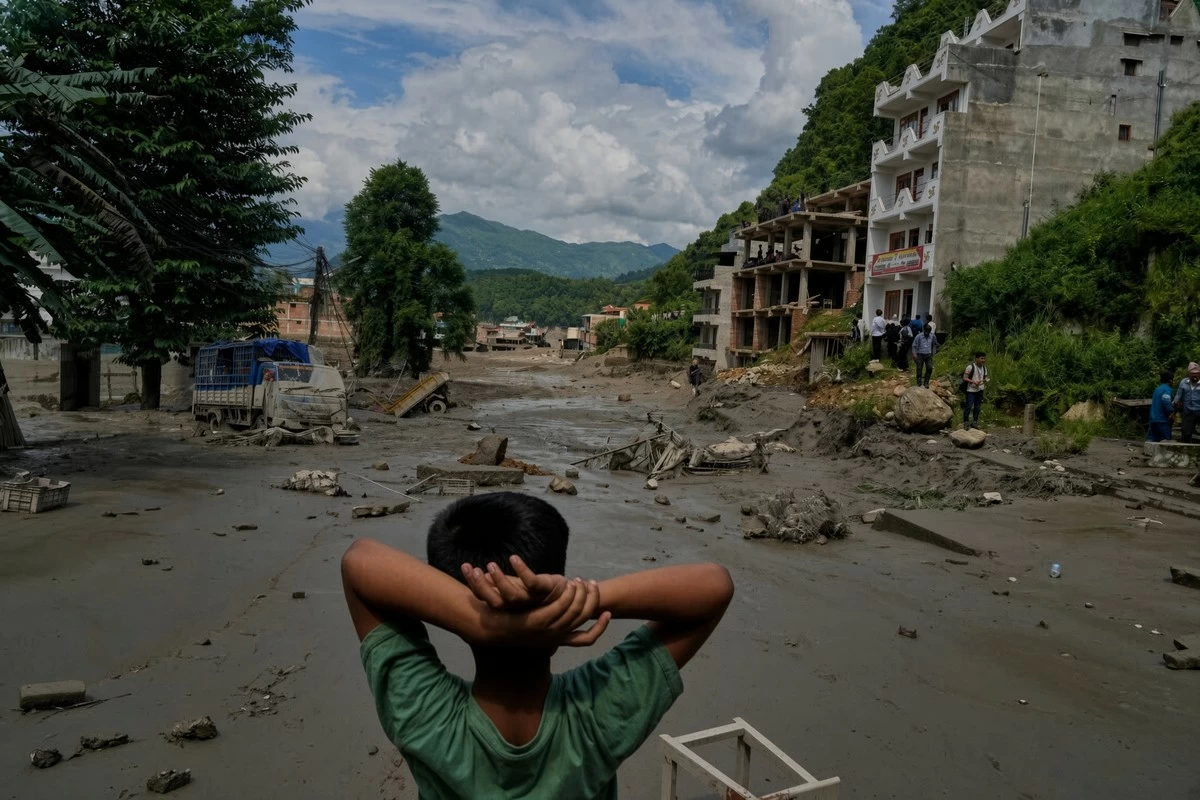

KATHMANDU, Aug 28: Nepal has asked Meta and TikTok to take immediate action against graphic images, AI-generated videos, misleading posts and fraudulent donation QR codes circulating on social media following devastating flash floods that have killed hundreds and left many people missing.
Government officials held discussions with Nepal-based representatives of the two social media companies on Friday, urging them to respond more quickly to reports of harmful and deceptive content that could mislead the public, interfere with relief operations or add to the distress of families searching for missing relatives.
Bijay Kumar Roy, coordinator of the government’s social media regulation and management task force and a director at the Nepal Telecommunications Authority, said authorities had asked Meta and TikTok to remove objectionable and deceptive material as soon as it is flagged.
Officials also urged the platforms to make their algorithms more proactive so that graphic and false content can be automatically detected and blocked at an early stage.
The request comes amid a surge in misleading material following Wednesday’s devastating Bhotekoshi flash flood. Authorities said old videos and photographs were being recirculated as if they showed the latest disaster, while AI-generated images and videos were being presented as genuine footage from the affected areas.
Officials have also detected fraudulent QR codes being used to solicit donations supposedly intended for flood victims. Authorities warned that such scams could exploit public sympathy and divert financial assistance away from legitimate relief efforts.
Meta and TikTok have designated focal points in Nepal through which government authorities can report problematic posts. However, Roy said the platforms currently take between 24 and 48 hours to respond to reported content, allowing false or distressing material to spread widely before it is removed.
The government has therefore called for a substantial reduction in response times and urged the platforms to immediately blur or remove particularly distressing images and videos, especially material showing victims and the aftermath of the disaster.
Nepal has also established a multi-agency team to monitor harmful online content during the crisis. The team includes officials from the Ministry of Communication and Information Technology, the Nepal Telecommunications Authority and the Ministry of Home Affairs. The Nepal Police is identifying people suspected of producing or circulating malicious content and taking legal action where necessary.
The communication ministry separately appealed to media organizations and social media users to avoid sharing unverified reports, fabricated material and AI-generated rumours that could create panic.
Authorities warned that misinformation during a disaster can have serious consequences for rescue and relief operations, public safety and the morale of affected communities. Graphic images shared without verification or context could also deepen the trauma of families who have lost relatives or are still waiting for information about missing loved ones.
The warning comes as Nepal continues to deal with one of its most devastating flood disasters in years. The Bhotekoshi flash flood swept through communities in northern Nepal on Wednesday before moving downstream through the Bhotekoshi and Trishuli river systems, destroying homes, bridges, roads and other infrastructure.
The latest reports from Nepal indicate that the death toll from the disaster has risen sharply, with the government reporting 538 deaths by Friday afternoon, while hundreds of people remain unaccounted for. Search and rescue teams are continuing operations along rivers and downstream areas as bodies are recovered from several districts.
The floods have also severely disrupted transportation and communications, with major roads and bridges damaged and key supply routes affected. Authorities are continuing rescue, relief and recovery operations while families search hospitals, army facilities and temporary centres for missing relatives.
The government’s appeal to Meta and TikTok comes as authorities seek to ensure that reliable information reaches the public during the ongoing emergency and that victims and their families are protected from exploitation, graphic material and misinformation.