


30/07/2026

Share:
30/07/2026
Share:

MADRID, Jul 30: Authorities in the Spanish enclave of Ceuta in North Africa have called on the Spanish government to declare a national emergency and deploy the army to help secure the territory’s border with Morocco, as large groups of migrants attempted to enter Ceuta by sea and over border barriers.
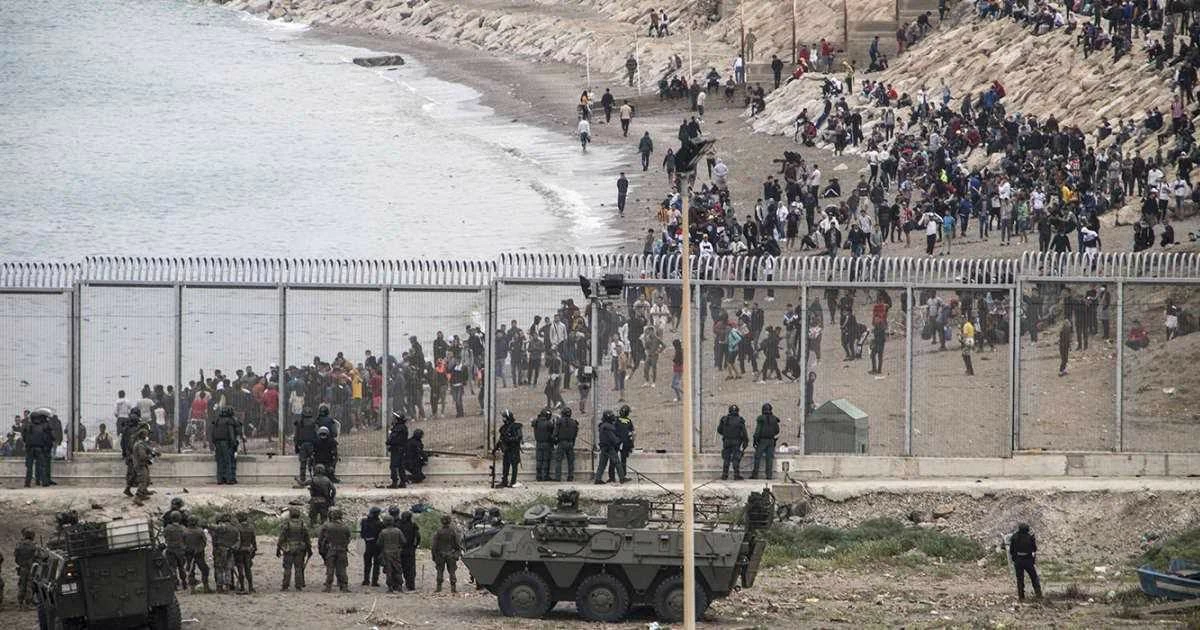
The appeal came on Thursday after video footage showed crowds of people reaching coastal areas, attempting to swim around breakwaters separating Moroccan and Spanish territory and climbing parts of the border infrastructure.
Spanish Prime Minister Pedro Sanchez pledged an “immediate response,” saying Madrid was mobilizing the necessary resources and coordinating with Moroccan and international authorities to restore normal conditions.
The Guardia Civil, Spain’s national police force, said migrants had overwhelmed officers at Ceuta’s breakwater after swimming from the Moroccan side, with people entering the territory in large numbers. The authorities did not provide an estimate of how many migrants had successfully crossed.
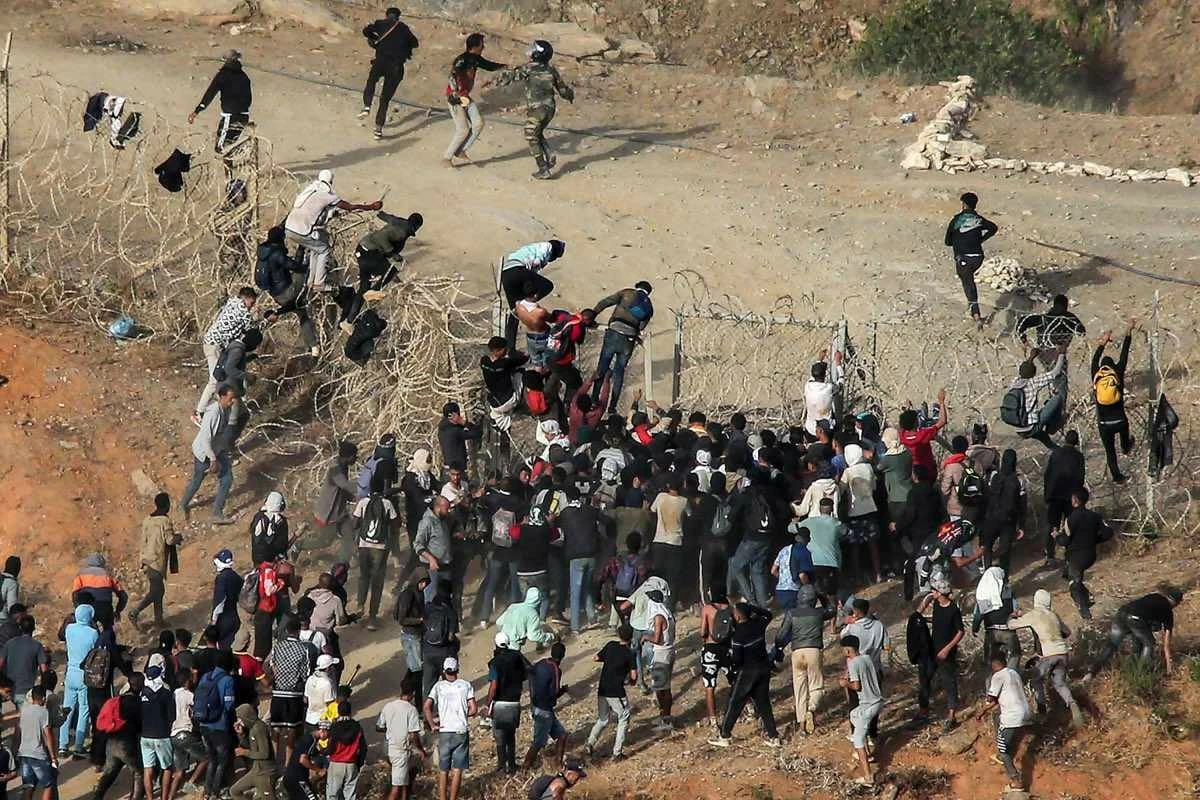
Spanish news agency EFE reported that hundreds of migrants had climbed over protective barriers at locations where police were not present at the time. Video footage also showed groups arriving on beaches and roads in the city.
Rescue teams had already reported an increase in attempts by migrants to swim around border controls in recent days.
Ceuta calls situation a national emergency
Ceuta regional government president Juan Jesus Vivas called on Madrid to declare an emergency on national security grounds and send additional police forces and the military to help reinforce the border.
The request followed a meeting of the city’s board of spokespeople, which unanimously agreed on the need for additional government assistance.
Vivas said the situation had deteriorated rapidly, with between 1,500 and 2,000 people arriving in Ceuta over 10 days, equivalent to about 2% of the city’s population.
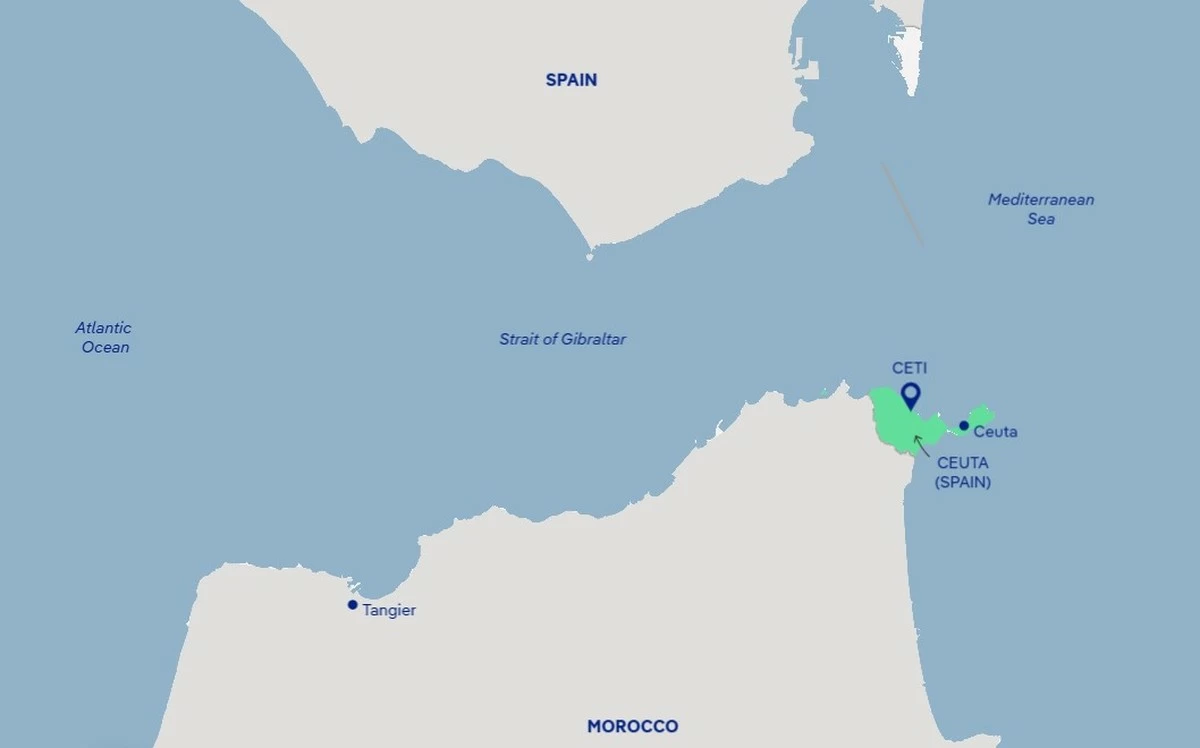
He said nearly 1,000 migrants were waiting outside the CETI, Ceuta’s Temporary Migrant Reception Center, while local resources had become overwhelmed.
“Today, mere hours later, the situation is even more critical: another night of mass arrivals, nearly a thousand people waiting outside the CETI, our resources completely overwhelmed, and another life lost at sea,” Vivas said in a statement posted online.
He described the situation as a “humanitarian and social emergency” of national proportions, warning that the territory could no longer handle the pressure alone.
Ceuta has a population of roughly 85,000 people, meaning the reported arrivals represent a significant strain on the small Spanish territory’s reception capacity.
Sanchez promises immediate response
Sanchez said the Spanish government was “fully committed to providing an immediate response” to the crisis.
“We are mobilizing all necessary resources, working with Moroccan and international authorities, and preparing the necessary measures to restore normalcy as soon as possible,” Sanchez said, adding that he had spoken directly with Vivas.
The prime minister did not specify what measures would be taken, but said the current situation required solutions based on “responsibility and cooperation.”
Similar crisis occurred in 2021
The latest scenes have raised memories of a major migrant crisis in May 2021, when more than 8,000 people entered Ceuta within two days.
The territory is one of two Spanish enclaves in North Africa, together with Melilla, and shares a land border with Morocco. Its location makes it a regular pressure point in migration flows toward the European Union.
The immediate reason for the sudden increase in attempted crossings was not clear.
One potentially relevant development came earlier this month, when Spain’s Supreme Court ruled that migrants arriving by sea could not immediately be pushed back across the border in the same manner as migrants intercepted at a land border crossing.
Another policy that has attracted attention is Spain’s offer of amnesty and residency permits to certain migrants who can demonstrate that they were already in the country when the measure came into force. However, that policy does not apply to people who enter Spain irregularly after the deadline.
Ceuta presents a particular situation because migrants can reach the Spanish territory by sea while effectively bypassing the land border with Morocco, making it possible to circumvent conventional border-crossing points without crossing the Strait of Gibraltar or the wider Mediterranean.