



28/07/2026

Share:
28/07/2026
Share:
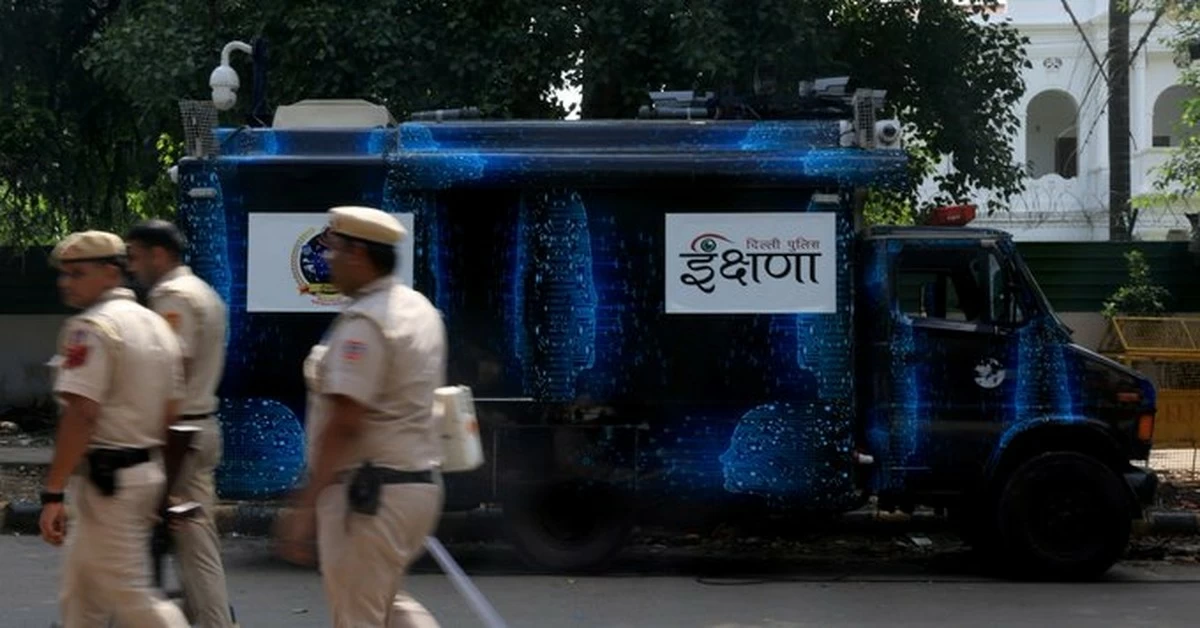

NEW DELHI, Jul 28: India's use of artificial intelligence-powered surveillance during the country's largest youth protest in decades is facing judicial scrutiny, raising fresh questions over privacy, policing and the limits of state surveillance under Prime Minister Narendra Modi's government.
The legal challenge stems from last week's nationwide student demonstrations over alleged exam paper leaks, where protesters spotted a police surveillance vehicle fitted with high-resolution cameras mounted on a telescopic mast capable of providing a 360-degree view of crowds. Images of the equipment quickly circulated on social media, triggering concerns among digital rights advocates and civil liberties groups.
Student activist Aishe Ghosh has petitioned the Delhi High Court, arguing that the mass surveillance of demonstrators violated constitutional protections. The petition seeks an order declaring the surveillance unconstitutional, directing authorities to destroy all personal data collected during the protest and requiring the government to establish clear legal guidelines governing the use of surveillance technologies during public demonstrations.
The case has continued despite the protest ending after Education Minister Dharmendra Pradhan resigned following mounting public pressure over the exam leak controversy. In response, the Modi government announced a committee to reform India's examination system and address recurring allegations of cheating and paper leaks.
At the center of the dispute is the absence of a dedicated legal framework regulating police use of facial recognition and AI-driven surveillance technologies. Activists contend that deploying such systems without statutory safeguards violates citizens' fundamental right to privacy and risks creating a precedent for unchecked monitoring of peaceful assemblies.
The Indian government rejects those claims, maintaining that surveillance measures were lawful, proportionate and necessary to preserve public order. Officials have repeatedly defended the use of technology in policing, arguing that such measures serve the broader public interest.
During a hearing on Friday, Solicitor General Tushar Mehta defended the police operation, telling the court that expectations of privacy at a public gathering were "ironical" and that surveillance was "absolutely necessary" and carried out in the "legitimate state interest."
When the matter returned before the Delhi High Court on Monday, lawyers representing Ghosh argued that the deployment of intrusive surveillance technologies against protesters was excessive and lacked adequate legal safeguards. They also sought greater disclosure of government policies governing surveillance at public protests.
The court is scheduled to resume hearings on Tuesday, in what legal experts say could become a landmark case defining the balance between national security, public order and the constitutional right to privacy in India. The outcome could shape future rules governing the use of AI-powered surveillance technologies during public demonstrations across the country.