


24/03/2026

Share:
24/03/2026
Share:
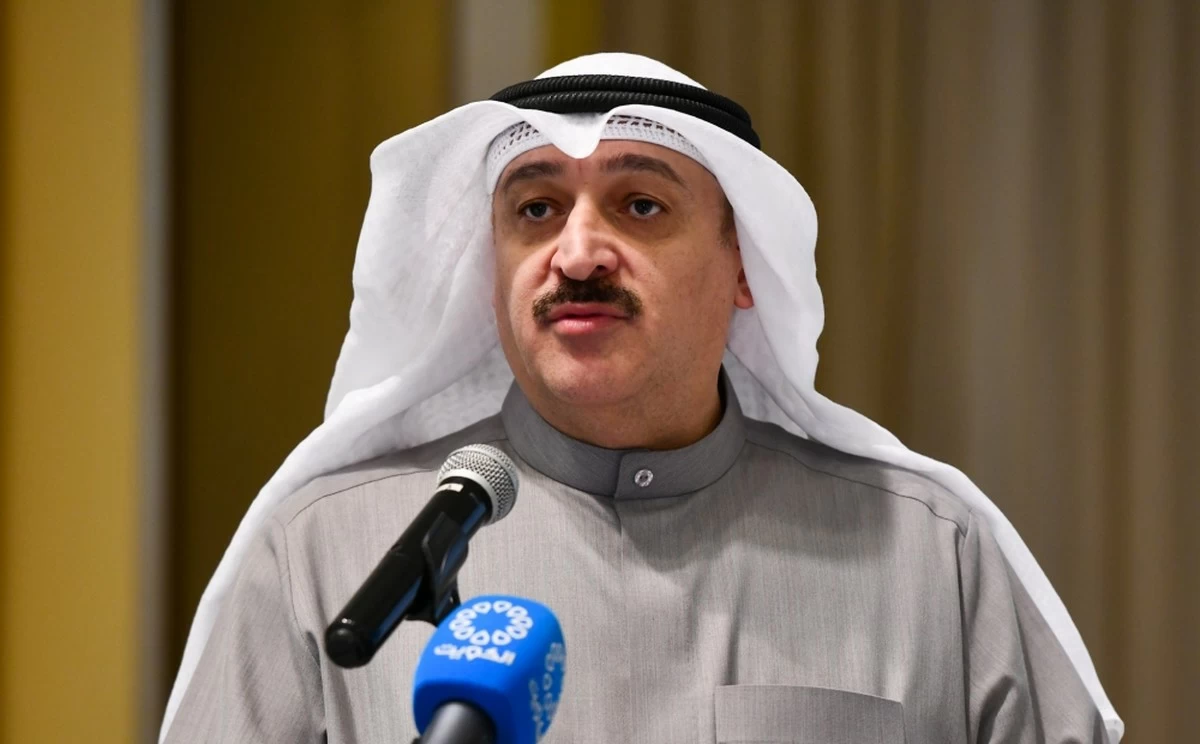

KUWAIT CITY March 24: The Ministry of Health (MoH) intensified its preparations in order to raise health readiness to the highest level in view of the outbreak of war between the United States of America, Israel and Iran. This is part of a comprehensive national system for protecting society and ensuring the continuity of medical services. The proactive approach combined field readiness and resource management with institutional integration in various State entities, thus, improving the ability of Kuwait to deal with the repercussions of regional tensions. From the very first moments of the escalation of tension in the region, the ministry held a series of emergency meetings, chaired by Minister of Health Dr. Ahmad Al-Awadhi, with senior ministry officials in attendance.
They reviewed emergency plans and updated response scenarios to align with the evolving situation, while closely monitoring regional developments round the clock. The health preparedness and response strategies relied on proactive plans that include bolstering the strategic stockpile of medicines and medical supplies, reviewing supply chains, and increasing the readiness level of emergency departments, intensive care units and operating rooms.
All health facilities operate at full capacity despite the reduced working hours in other government agencies. To improve field response, the Health Operations Unit has been activated, along with intensified coordination with other relevant government agencies, primarily the ministries of Interior and Defense, to ensure integrated roles and rapid decision-making. The emergency medical system operates through 79 centers and ambulance points, supported by a fleet of 222 ambulances and specialized technical staff working round the clock. The ministry intensified environmental monitoring procedures, including monitoring radiation levels in seawater, drinking water and airborne particles through 13 monitoring stations that are operating 24/7.
The Poison Control Center is also prepared to handle any emergency related to chemical or radioactive materials, and potassium iodide is available as needed. Regarding health resource management, the ministry implemented temporary organizational measures, including postponing non-emergency surgeries and limiting outpatient clinic hours to one day for dispensing medications only. Services gradually returned to normal, with scheduled surgeries and clinics resuming according to a flexible plan that balances preparedness and service continuity.
Primary healthcare centers continued their regular operations, with some operating round the clock, thus, helping to alleviate pressure on hospital emergency departments. Moreover, official data issued by the ministry revealed that the total number of injuries related to the current events in the region reached 67, while one death was recorded. The ministry announced at the beginning of the attacks that 12 injuries were recorded in Farwaniya, Jahra and Mubarak Al-Kabeer hospitals, ranging from moderate to minor, with one case requiring intensive care. Later, Adan Hospital recorded 32 injuries, 15 of which were transferred to Jaber Hospital for specialized treatment. Five underwent surgery and one death was recorded.
On another day, 19 injuries were recorded and most of them are in stable condition. Two minor injuries were recorded in a separate incident, in addition to injuries sustained by two paramedics when shrapnel fell on an ambulance station. All cases were treated according to the highest standards of care. Regarding operational capacity, the ministry announced that the bed occupancy rate reached 49 percent -- good capacity within a comprehensive healthcare system that includes seven general hospitals, 14 specialized centers and 118 primary healthcare centers. These facilities employ about 66,000 healthcare professionals.
The ministry provides psychological support services through 75 clinics and launched the 151 hotline that operates round the clock for psychological consultations. It also confirmed that the blood supply is at reassuring levels, thanks to the expansion of donation campaigns that resulted in collecting about 2,000 units of blood -- an indication of community interaction with national efforts.
By Marwa Al-Bahrawi Al-Seyassah/Arab Times Staff