


14/02/2026

Share:
14/02/2026
Share:

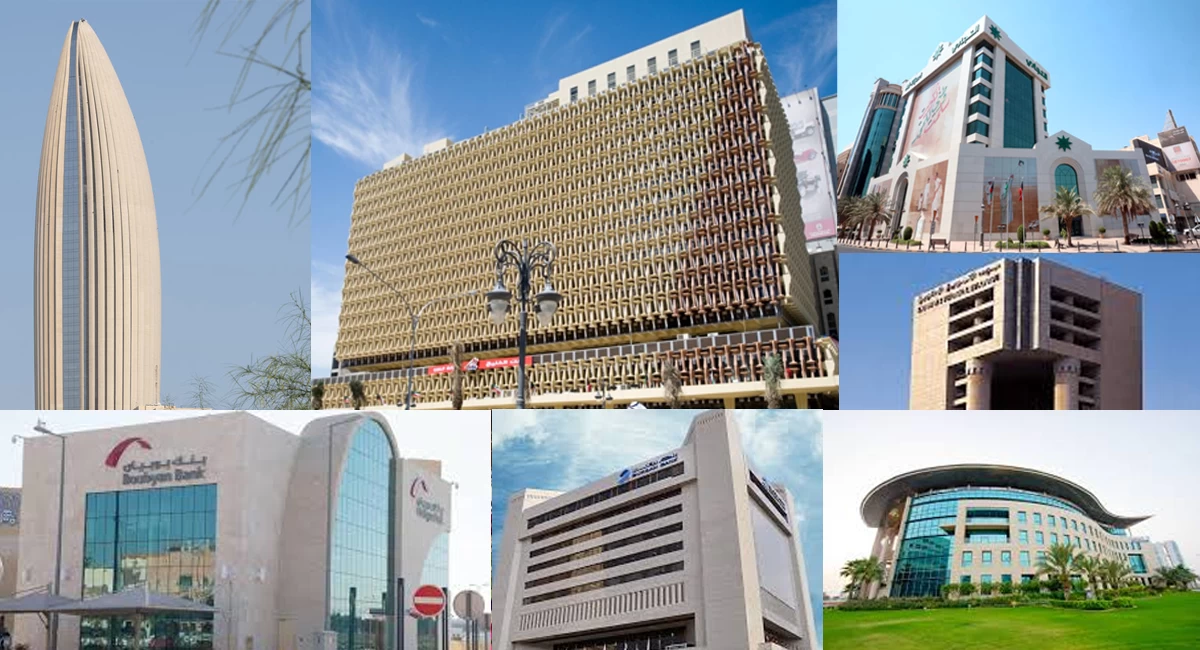
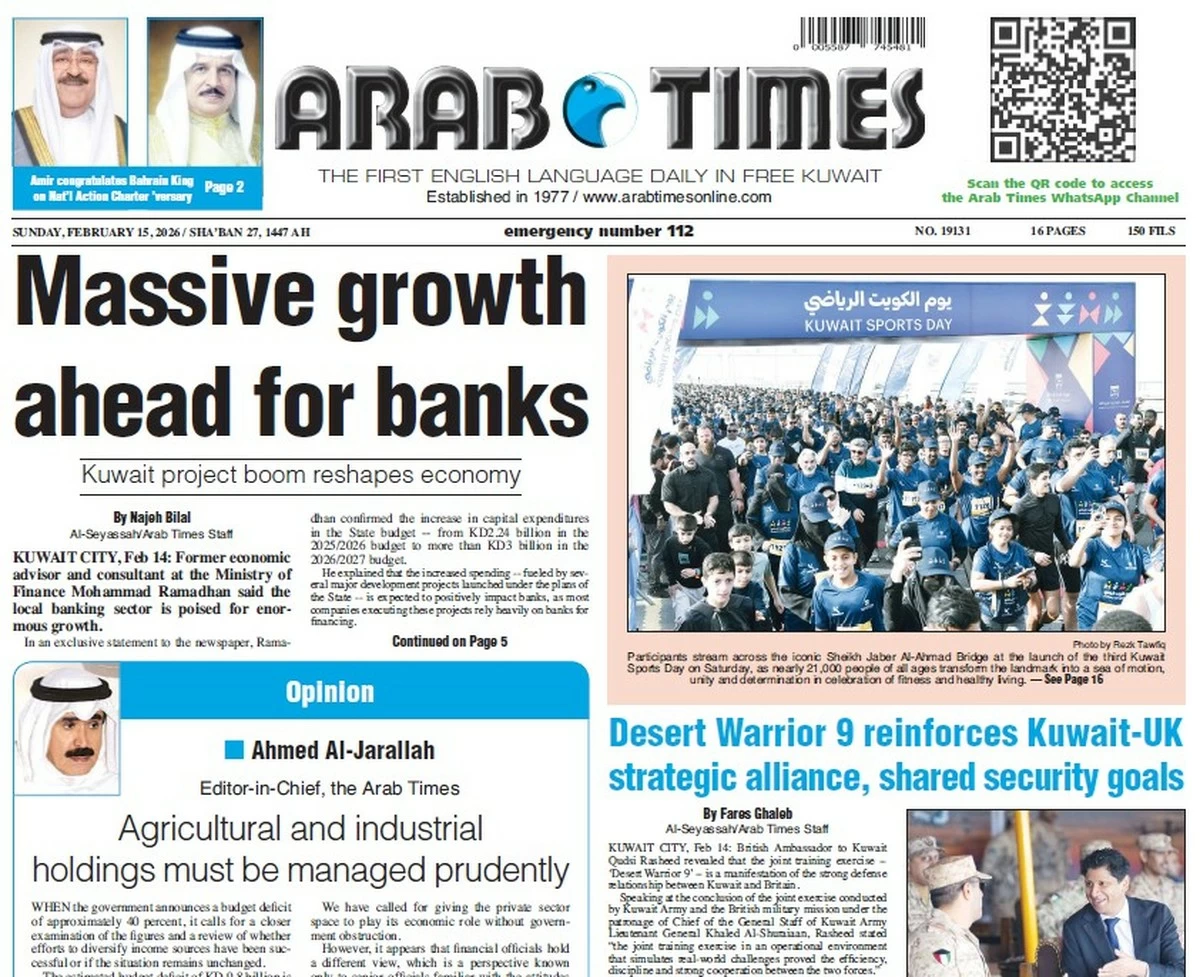
KUWAIT CITY, Feb 14: Former economic advisor and consultant at the Ministry of Finance Mohammad Ramadhan said the local banking sector is poised for enormous growth. In an exclusive statement to the newspaper, Ramadhan confirmed the increase in capital expenditures in the State budget -- from KD2.24 billion in the 2025/2026 budget to more than KD3 billion in the 2026/2027 budget. He explained that the increased spending -- fueled by several major development projects launched under the plans of the State -- is expected to positively impact banks, as most companies executing these projects rely heavily on banks for financing.
He presented a positive overall outlook for the 2026/2027 fiscal year budget, stating it will remain on track as long as capital spending is directed towards infrastructure, development and service projects. He also pointed out that growth in non-oil revenues is a positive indicator in terms of the overall performance of the budget. On the estimated budget deficit of KD9.8 billion, Ramadhan clarified that it does not pose a major problem, particularly since the profits of the Kuwaiti sovereign wealth fund, whose assets exceed $1 trillion, are not included in the State budget revenues.
On the occasional discrepancy between estimated and actual deficits, he acknowledged that such gaps occurred in recent years. He argued that deficit estimates are not a major concern, as they are based on a longer and different timeframe than actual estimates. He cited the remarkable difference between actual and estimated deficits recently, which he attributed to overestimation of budget expenditures, production volumes, costs and other aspects. Asked about the possibility of an increased deficit in the coming years due to declining oil prices, Ramadhan stated that predicting oil prices is impossible due to various factors, such as the political situation, voluntary or mandatory reductions of OPEC+ quota by some countries, and many other reasons.
About the growth of non-oil revenues from KD2.9 billion in fiscal 2025/2026 to KD3.5 billion in the new fiscal year, he considers it a positive development based on certain factors like the increased government fees for some services and decrease in the value of energy subsidies due to the drop in oil prices. He also stressed the importance of expediting the implementation of economic programs aimed at diversifying non-oil revenue sources, given the impact of fluctuating oil prices on the State budget.
Najeh Bilal Al-Seyassah/Arab Times Staff