


23/05/2026

Share:
23/05/2026
Share:

Arab Times exclusive interview with Abed Al Rahman Naamani
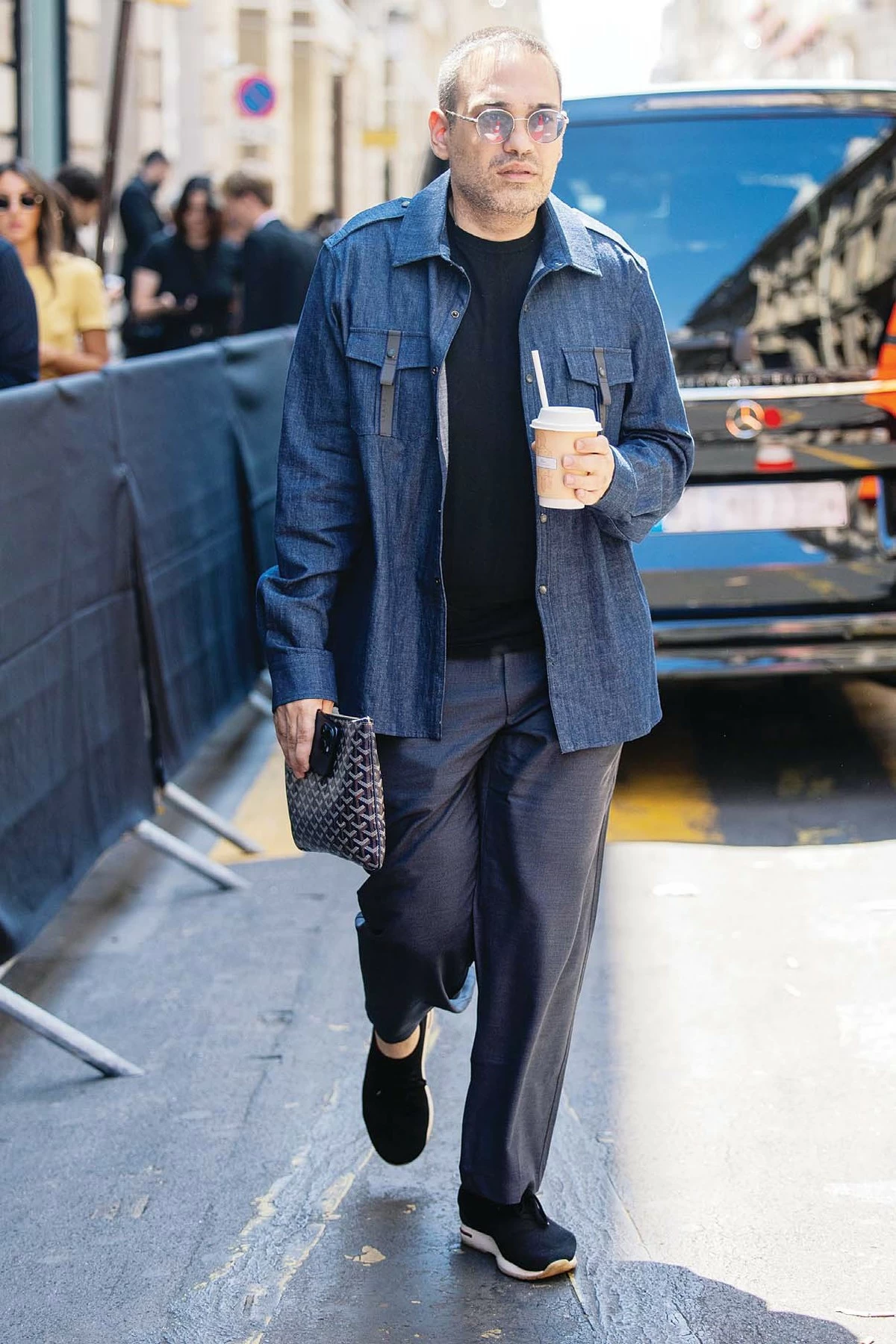
There is something deeply personal about the way Abed Al Rahman Naamani speaks about Beirut. Not the Beirut of breaking news alerts and political turmoil, but the Beirut of candlelit dinners, couture ateliers, old architecture, late-night conversations, music drifting through crowded streets, and people who continue choosing beauty no matter how difficult life becomes.
That emotional connection became the foundation of MAGLEBANON, the luxury lifestyle and cultural platform Naamani quietly built from scratch while still a university student at the Lebanese American University in 2014. At the time, social media was evolving rapidly across the Middle East, but Naamani felt something was missing. “I felt Lebanon and the region were often being seen through one lens,” he says. “I wanted people to discover another side of us.
The creativity, the elegance, the culture, the ambition, the human stories.” What began as a small independent project soon evolved into a recognizable media presence stretching from Beirut to Kuwait, Dubai, Riyadh, Doha, Paris, London, Monaco and beyond. Today, MAGLEBANON sits at the intersection of fashion, culture, luxury, travel and storytelling, covering everything from international couture shows to film festivals and cultural moments shaping the modern Middle East. But long before the invitations, partnerships and front row access came the difficult years. Naamani built the platform alone. He handled the editorial work, partnerships, social media, networking and business development himself while navigating university life and later surviving some of Lebanon’s darkest periods, including the financial collapse, the pandemic and the Beirut Port Explosion.
“There were moments where I questioned everything,” he admits. “Moments of exhaustion and uncertainty. But I never wanted to abandon the vision.” That vision was never simply about glamour. For Naamani, luxury has always carried emotion. “Luxury without authenticity feels empty,” he says. “People connect to emotion, honesty and meaning much more than perfection.” It is perhaps why MAGLEBANON feels different from many polished digital platforms chasing trends and algorithms. Beneath the refined imagery lies something more intimate.
A sense of identity. Memory. Humanity. Growing up in Beirut shaped that perspective. “Beirut teaches you resilience naturally,” he says. “It is a city full of contradictions. Chaos and elegance exist together here. Pain and beauty exist together too.” That duality continues to infl uence the way he approaches storytelling. Whether attending a couture presentation in Paris or covering cultural events in Riyadh, Naamani says he always searches for the human story behind the spectacle. Over the years, his work opened doors across the GCC, where MAGLEBANON steadily built strong regional visibility through collaborations within the luxury, hospitality and fashion industries. His experiences in Kuwait left a particular impression. “Kuwait has a unique cultural warmth,” he says. “There is a deep appreciation for creativity, fashion and meaningful connections.”
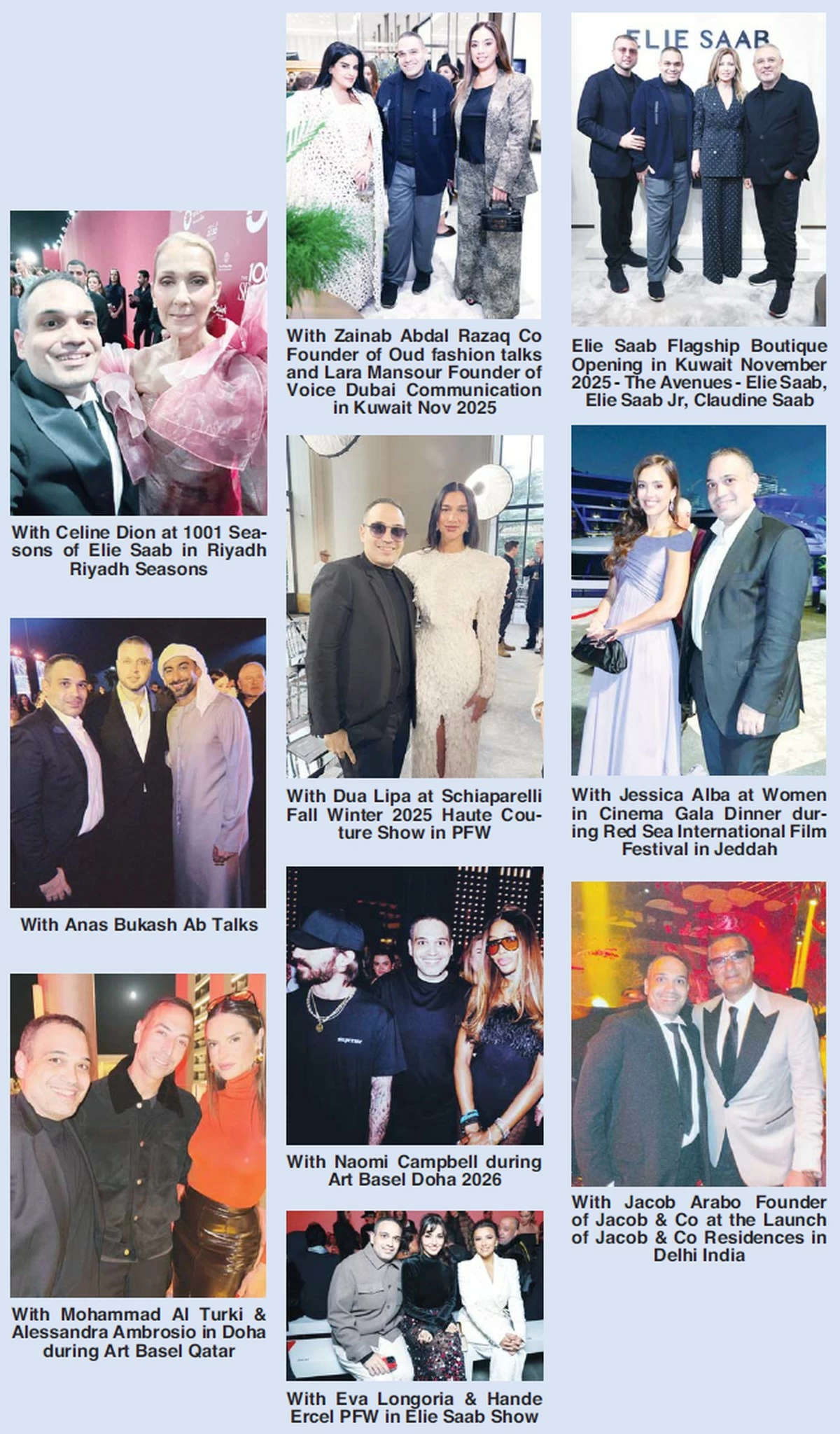
Collaborations with Oud Fashion and growing relationships within the Gulf helped transform MAGLEBANON from a Lebanon based platform into a regional cultural bridge connecting the Middle East with international audiences. That expansion eventually brought Naamani into some of the world’s most prestigious spaces, including events hosted by Hermès and Schiaparelli, alongside appearances at the Red Sea International Film Festival and the Joy Awards. Yet one evening still stands above the rest. Attending “1001 Seasons of Elie Saab” during Riyadh Season became one of the defining moments of his career. “It was emotional beyond words,” he says.
“Seeing Lebanese creativity celebrated on such a massive international stage felt deeply personal.” Then came the moment Celine Dion appeared on stage. “That performance stayed with me,” he recalls. “Fashion, music, culture and emotion all came together in one unforgettable moment.” In 2022, Naamani attended a UNICEF fundraising gala in Capri as the only Lebanese representative. At a time when Lebanon was facing immense hardship, the invitation carried symbolic weight. “I felt proud carrying Lebanon with me,” he says quietly. “Even during difficult periods, our creativity and presence still matter internationally.” Now, another deeply personal chapter is unfolding through his collaboration with luxury publishing house Assouline on a Beirut focused publication. The project aims to capture the soul of the city through its architecture, fashion, gastronomy, nightlife and creative spirit.
“This is not just about documenting Beirut,” he says. “It is about preserving its emotional identity.” The partnership refl ects something Naamani has consistently pursued throughout his journey: reshaping how the world sees Lebanon. Not through crisis alone, but through culture, artistry and resilience. He believes the Middle East is entering a new cultural era, especially in cities like Riyadh, Dubai, Doha and Kuwait, where fashion, cinema, luxury, hospitality and entertainment are increasingly intersecting. “These worlds are no longer separate,” he says. “Culture today is becoming global, but people still crave authenticity.” That authenticity remains central to everything he builds. Naamani speaks often about patience, especially in an era dominated by fast content and instant validation. “Not every opportunity deserves a yes,” he says. “Sometimes protecting your identity is more important than visibility.” His definition of success has changed too. When MAGLEBANON first launched, success meant recognition and growth. Today, he measures it differently. “Legacy matters more to me now,” he says. “Reputation. Relationships. The way people remember your energy and your values.” For young creatives and entrepreneurs across Lebanon and the Middle East, Naamani’s message comes from experience rather than theory. “Do not underestimate the power of consistency, patience and authenticity,” he says. “Coming from our region is not a weakness. It is a strength.” He encourages younger generations not to become consumed by trends, numbers or constant online validation. “Focus on quality. Stay grounded. Protect your identity and values,” he says. “Growth takes time and difficult moments are part of the journey.” Naamani also believes many of the most successful people he encountered internationally shared one thing in common: humility. “The most inspiring people are often the quietest people in the room,” he says. “Real infl uence does not always need attention.” And despite the international expansion, wluxury circles and growing global visibility, Naamani still speaks with the same emotional attachment to Beirut that inspired him more than a decade ago. For him, the city remains far more than a backdrop.
By Marlon Aquino Malinao
Managing Editor