



17/01/2026

Share:
17/01/2026
Share:
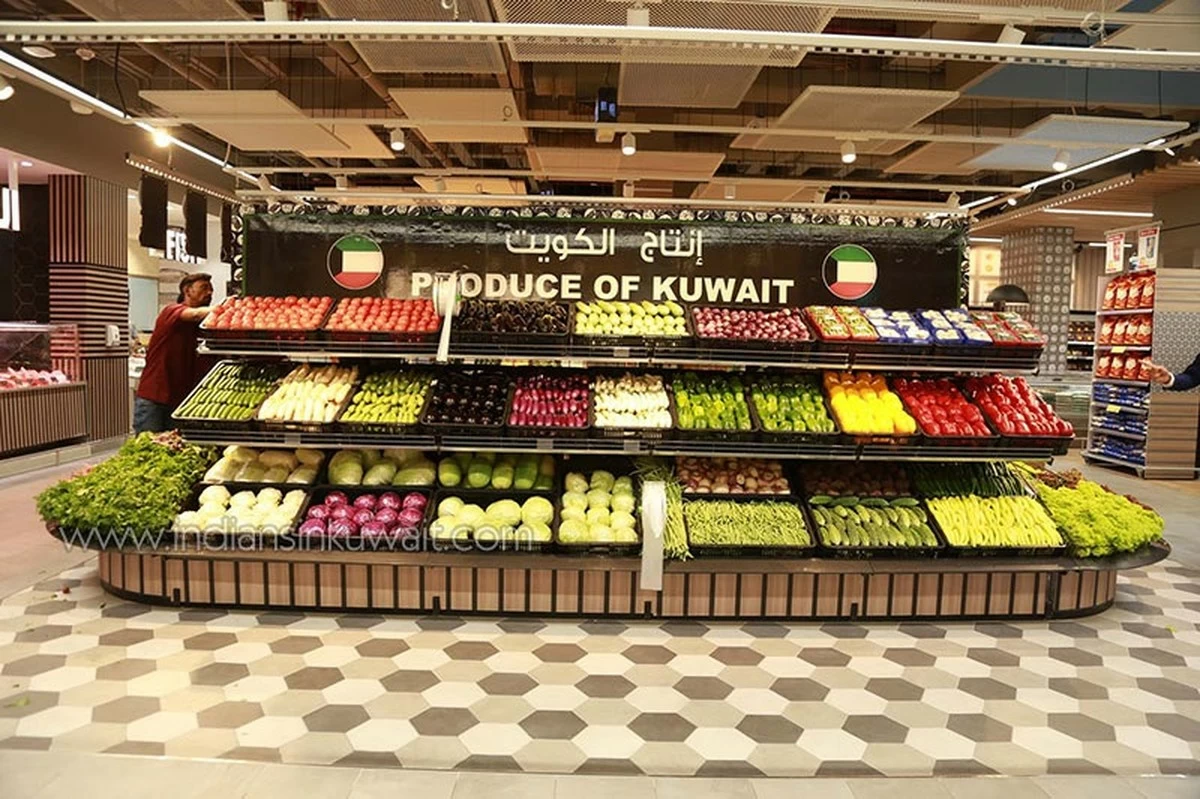

The new decisions issued to support farmers represent a qualitative shift in the mechanism for marketing local agricultural products. Al-Jafour highlighted Ministerial Decision No. 347/2025, which builds on previous measures aimed at strengthening the presence of national products in cooperative retail outlets. He highlighted that the most significant aspect of the decision is allowing farmers to sell directly to cooperative societies without intermediaries, thus overcoming a major obstacle they had previously faced. Al-Jafour said, “The Committee for Supporting and Promoting Local Agricultural Products, in cooperation with administrative supervisors in cooperative societies, oversees the implementation of the decision and ensures its practical application, particularly regarding the organization of the ‘Farmers’ Corner’ and the direct sales mechanism, with continuous monitoring before and during the supply process.” He indicated that the positive impact of the decision is already evident for farmers, as it has enabled them to diversify their agricultural products and cultivate new and rare varieties that previously faced marketing challenges.
Al-Jafour stressed that opening the door to direct sales has encouraged farmers to expand production and improve quality, now that they have a guaranteed sales outlet within cooperative societies. Regarding the continued availability of local produce, Al-Jafour explained that the committee works directly with farmers through organizational models that identify the monthly needs of cooperative societies. Farmers are required to supply the agreed-upon quantities according to a clear timetable. This will help in ensuring a regular supply and stable availability in the cooperative societies. The quality of local produce is a top priority. A clear classification system for agricultural products has been adopted, including categories A, B, and C. Only products classified as category A are accepted, whether grown in greenhouses or open fields. Cooperative societies refuse to accept any products that do not meet the approved specifications, with the aim of ensuring consumers receive high-quality produce.