


02/10/2026

Share:
02/10/2026
Share:
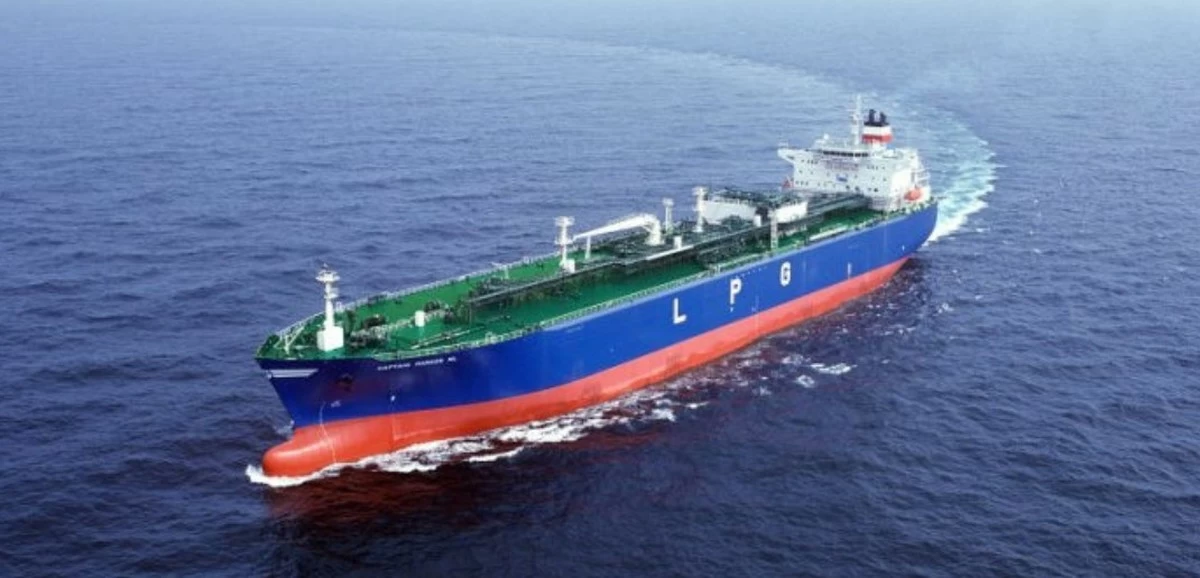

SINGAPORE, Oct 2: Liquefied natural gas (LNG) shipments through the Strait of Hormuz reached their highest monthly level since the US-Israeli war on Iran began, with 19 cargoes recorded in September, according to S&P Global Energy data cited by Reuters.
The September total comprised 13 LNG cargoes from Qatar and six from the United Arab Emirates, compared with 15 cargoes recorded in June, when a US-Iran memorandum of understanding had begun to take effect.
Eric Yep, a senior principal analyst at S&P Global, said LNG transits through the strategic waterway accelerated during the second half of September.
“If this is maintained into October, we could see full-month transits recover to 25% of pre-war levels,” Yep said.
Data from maritime analytics firm Kpler showed an even higher September tally, with 21 LNG cargoes exiting the Strait of Hormuz, also up from 15 in June.
More Qatar-linked LNG vessels, including ships associated with QatarEnergy, have been observed transiting the waterway in recent weeks despite continued security concerns. Reuters reported that several vessels loaded at Qatar's Ras Laffan export terminal were tracked inside the strait before reappearing outside the waterway in late September.
The increase comes despite continued security risks in the Strait of Hormuz, where commercial vessels have been involved in a series of incidents in recent weeks. The UK Maritime Trade Operations agency has reported multiple vessels struck by unknown projectiles, including incidents that caused fires and casualties.
The Strait of Hormuz remains a critical route for global energy supplies, and the recovery in LNG traffic will be closely watched as demand rises ahead of the winter season.
Despite the September increase, analysts caution that the higher level of LNG traffic may not necessarily be sustained amid continuing military and security risks in the region.