



17/12/2025

Share:
17/12/2025
Share:
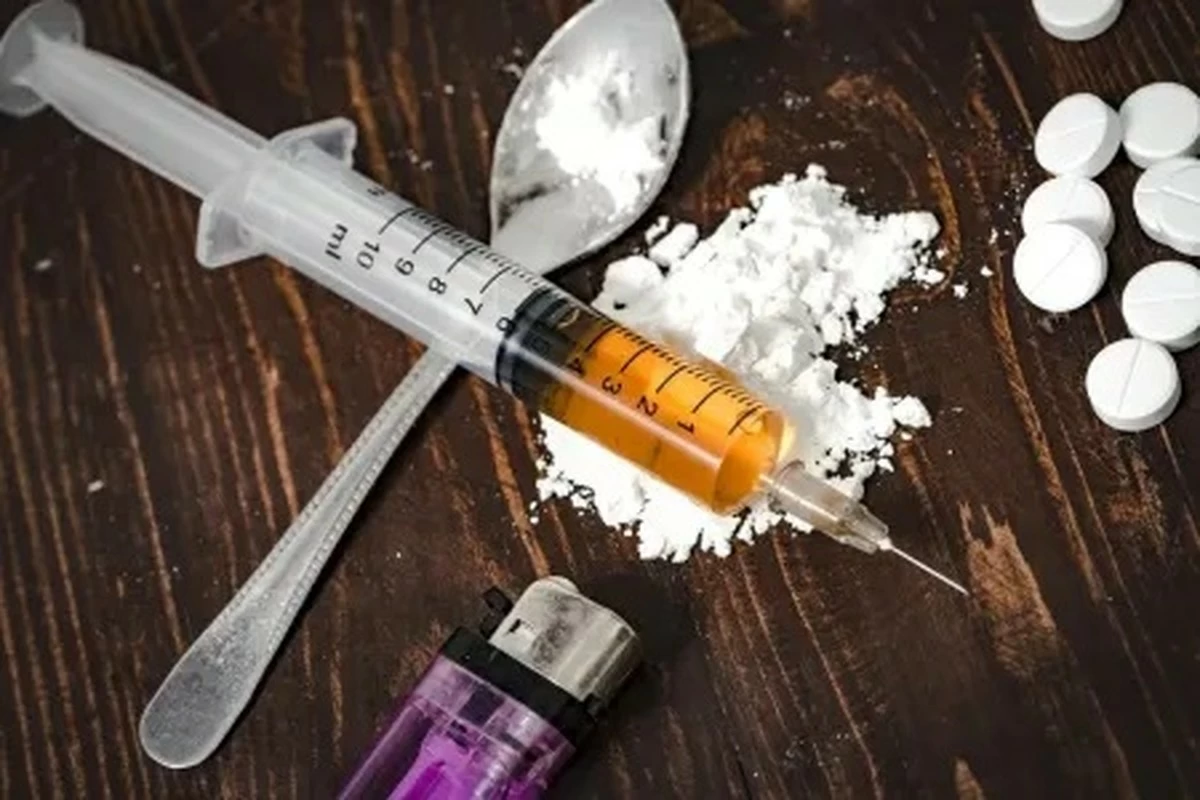
Kuwait strengthens fight against narcotics with new legislation.

KUWAIT CITY, Dec 16: Decree-Law No. 159/2025 on combating narcotic and psychotropic substances came into effect on Monday, December 15, marking what has been described as the most serious and decisive step in the state’s efforts to fight drugs and eliminate their sources, reports Al- Seyassah daily. The new law replaces previous legislation and is based on a dual approach that combines strict deterrence against criminal networks with humanitarian care for victims of addiction. Consisting of 84 articles, the decree establishes a comprehensive legal framework to tighten control over the drug trade. It authorizes the death penalty or life imprisonment for anyone involved in importing, smuggling, producing, or cultivating narcotic substances with the intent to traffic them, along with fines that may reach KD two million.
The law also imposes the death penalty if the perpetrator exploits a minor in committing trafficking or promotion offenses. It closes legislative loopholes previously exploited in drug cases by including newly introduced and dangerous psychotropic substances, such as methamphetamine and Lyrica, in the official schedules. It stipulates that anyone found in a location designated for drug use, who knows its purpose and is able to leave but fails to do so, may face up to three years in prison, with spouses, children, and parents exempt from this penalty. In this regard, Lawyer Abdul Mohsen Al-Qattan stated that the decree represents a qualitative shift in criminal policy, as it combines strict enforcement with a humanitarian approach. He emphasized that the state has sent a clear and decisive message while simultaneously providing a path to recovery for addiction victims.
Al-Qattan stressed that one of the most significant new aspects of the law is the increased penalties for using smart applications or electronic payment methods in drug sales and promotion, thereby enhancing the value of digital evidence as independent, admissible proof of the crime. He also highlighted provisions protecting whistleblowers and ensuring the confidentiality and security of their information. Meanwhile, Lawyer Jarrah Mubarak Al-Wawan noted that the decree maintains its humanitarian focus, granting addicts immunity from punishment if they voluntarily surrender themselves, or through a guardian, to the competent authorities for treatment, provided they fully comply with the prescribed rehabilitation program. He confirmed that the law increases the penalty for drug use to up to ten years imprisonment if the offense occurs within prisons, police stations, addiction treatment centers, or educational institutions.
In addition, Lawyer Inaam Haidar stated that the implementation of the new drug law marks a pivotal moment in Kuwait’s fight against crime, reflecting a strong legislative will to protect youth and enhance community security. She affirmed that the law’s effectiveness depends on strict enforcement, rapid judicial adjudication of cases, and intensified public awareness campaigns highlighting the severe penalties and available treatment options.


