


26/02/2026

Share:
26/02/2026
Share:

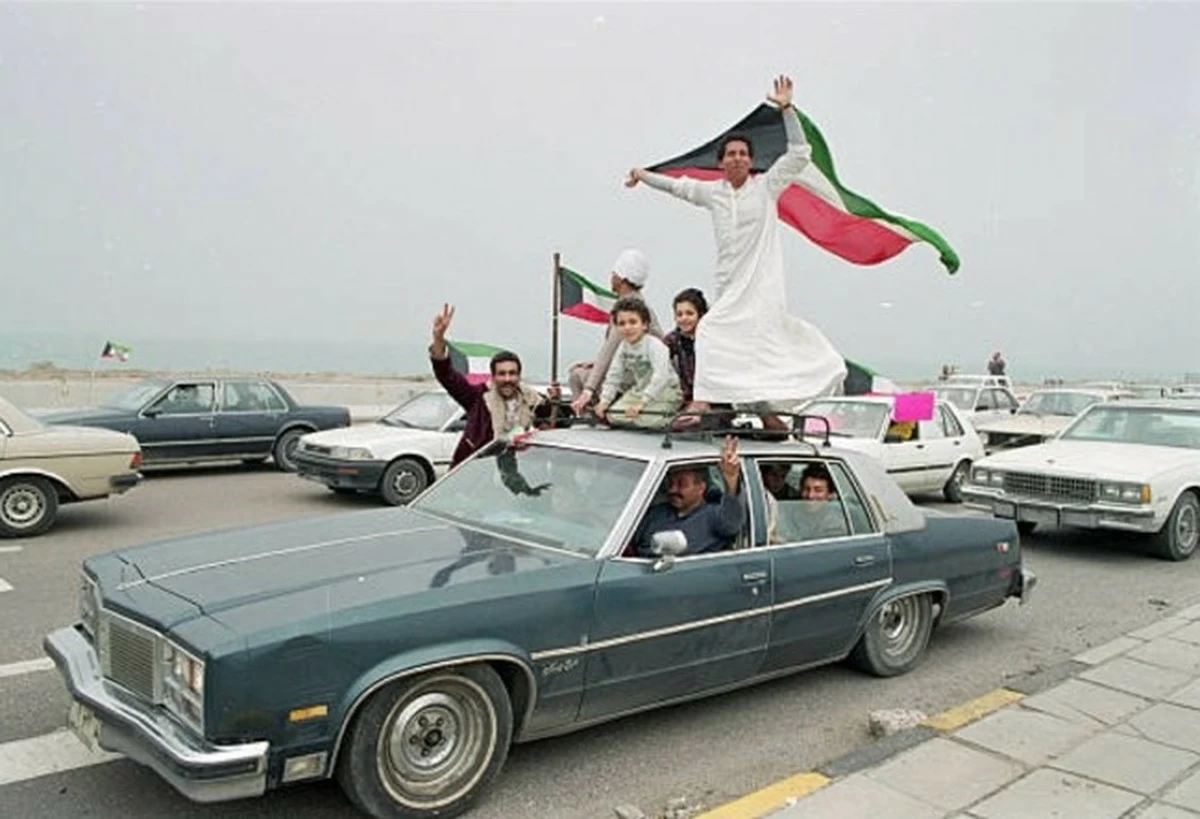
KUWAIT CITY, Feb 26: “Ambassador Al-Sabah… Tonight, Kuwait is liberated.” With these historic words, US President George H.W. Bush, speaking under the dome of the US Congress, declared the completion of Kuwait’s liberation. His eyes met those of Kuwait’s then-ambassador to the United States, the late Sheikh Saud Nasser Al-Sabah, a moment charged with emotion and pride.
As the announcement reverberated across Washington, reactions poured in from capitals worldwide, praising the resilience of the Kuwaiti people and the deft political and diplomatic leadership that guided the nation through one of the most perilous crises of contemporary international history. The global coalition that ended the occupation drew universal acclaim for its unprecedented unity and effectiveness.
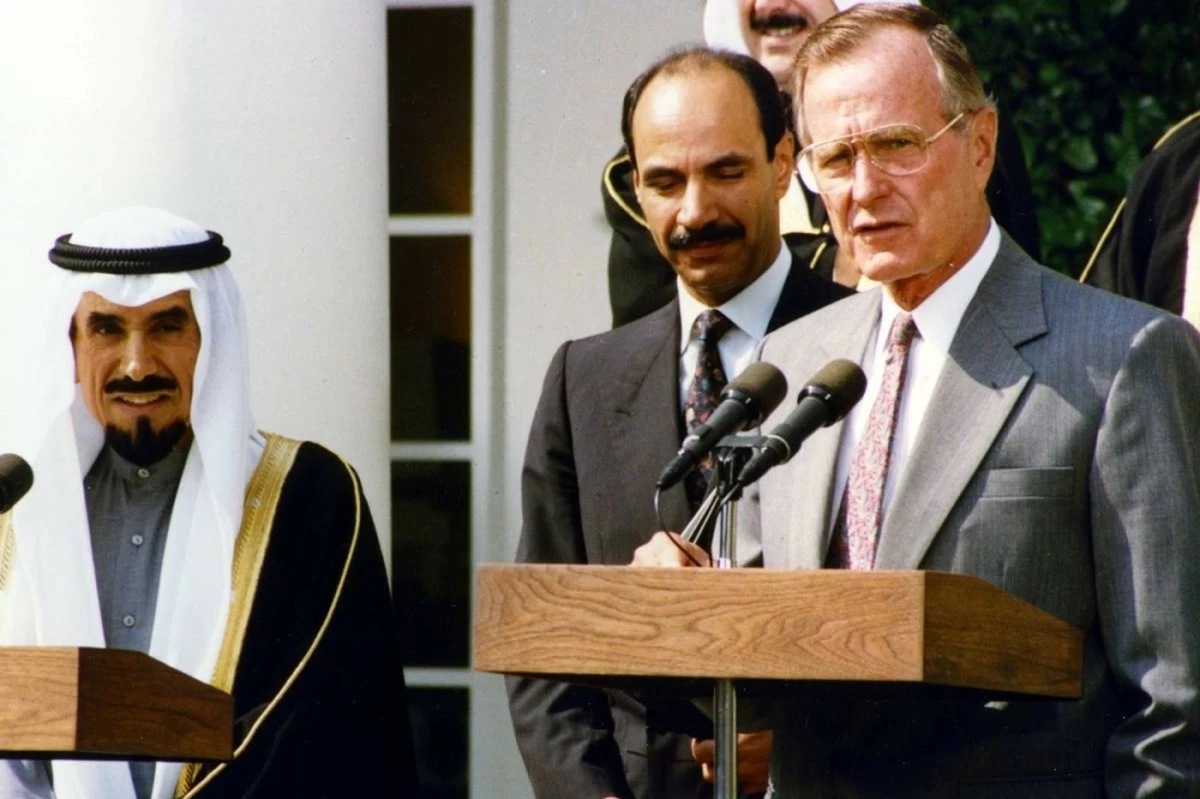
In a televised address, President Bush framed Kuwait’s liberation as a victory for international law, asserting that aggression cannot confer political legitimacy and highlighting the power of collective action when a UN member is threatened. British Prime Minister Margaret Thatcher described the day as “a victory for justice and the rule of law,” lauding the steadfastness of Kuwaitis under occupation as a key factor in maintaining international momentum for liberation.
French President François Mitterrand echoed the sentiment, emphasizing that restoring Kuwait’s sovereignty was a triumph for shared international will and that respect for internationally recognized borders remains a cornerstone of global stability. German Chancellor Helmut Kohl noted that the liberation strengthened confidence in the international system post-Cold War and praised the Security Council’s unified stance as crucial to the legitimacy of military action.
Even Moscow celebrated the outcome. Then-Soviet President Mikhail Gorbachev called the end of the occupation a milestone in reinforcing international law, stressing that crises resolved through legitimacy and multilateral consensus ensure global stability.
Across the Arab world, leaders expressed heartfelt congratulations to Kuwait. The late King Fahd of Saudi Arabia highlighted that Kuwait’s security was inseparable from regional security and lauded Arab and Gulf solidarity for bolstering the international position in favor of Kuwait’s legitimate leadership.
The late Sheikh Zayed bin Sultan Al Nahyan of the UAE emphasized that Kuwait’s liberation reflected Gulf, Arab, and international unity, while calling for reconstruction and regional stability to prevent future aggression. Qatar’s late Emir Sheikh Khalifa bin Hamad Al Thani celebrated Kuwait’s return to its people as a triumph of international legitimacy and underscored the importance of continued Gulf coordination in defense and politics.
In Oman, the late Sultan Qaboos bin Said stressed consolidating regional stability through cooperation and Gulf collective security, while Bahrain’s late Prince Isa bin Salman Al Khalifa reaffirmed his country’s full support. Egyptian President Hosni Mubarak highlighted Egypt’s contribution to the coalition and framed liberation as a restoration of regional balance. Leaders from Morocco, Syria, and the Arab League reinforced the message that Kuwait’s steadfastness and the coalition’s efforts represented a victory for legitimacy, international law, and joint Arab action.
The United Nations hailed Kuwait’s restoration of sovereignty as a practical application of Security Council resolutions. Secretary-General Javier Pérez de Cuéllar and then-Security Council President Thomas Birking praised the coalition’s unified approach and the implementation of international will. NATO Secretary-General Manfred Wörner highlighted the event as an example of cooperative security, while European Community institutions reaffirmed the primacy of international order.
Parliaments worldwide convened special sessions to celebrate the restoration of Kuwait’s rights. The US Congress, European parliaments, and Canada’s legislature praised the coalition’s coordination, while European lawmakers called for reconstruction and remediation of environmental damage caused by the former regime. International financial institutions, including the World Bank and IMF, pledged support for reconstruction and technical assistance.
Humanitarian and human rights organizations applauded the end of the occupation, calling for documentation of violations and accountability under international law. Major foreign ministers emphasized that Kuwait’s liberation enshrined sovereignty as a non-negotiable principle and showcased a model for crisis management through diplomacy and coordinated international action.
Kuwait’s Diplomatic TriumphKuwait’s own diplomatic efforts earned widespread praise. During the occupation, Kuwaiti diplomats maintained continuous engagement with global capitals, systematically presenting facts and shaping the legal and political narrative of the crisis. International observers described Kuwait’s diplomacy as dignified and exemplary, setting a benchmark for nations facing similar challenges.
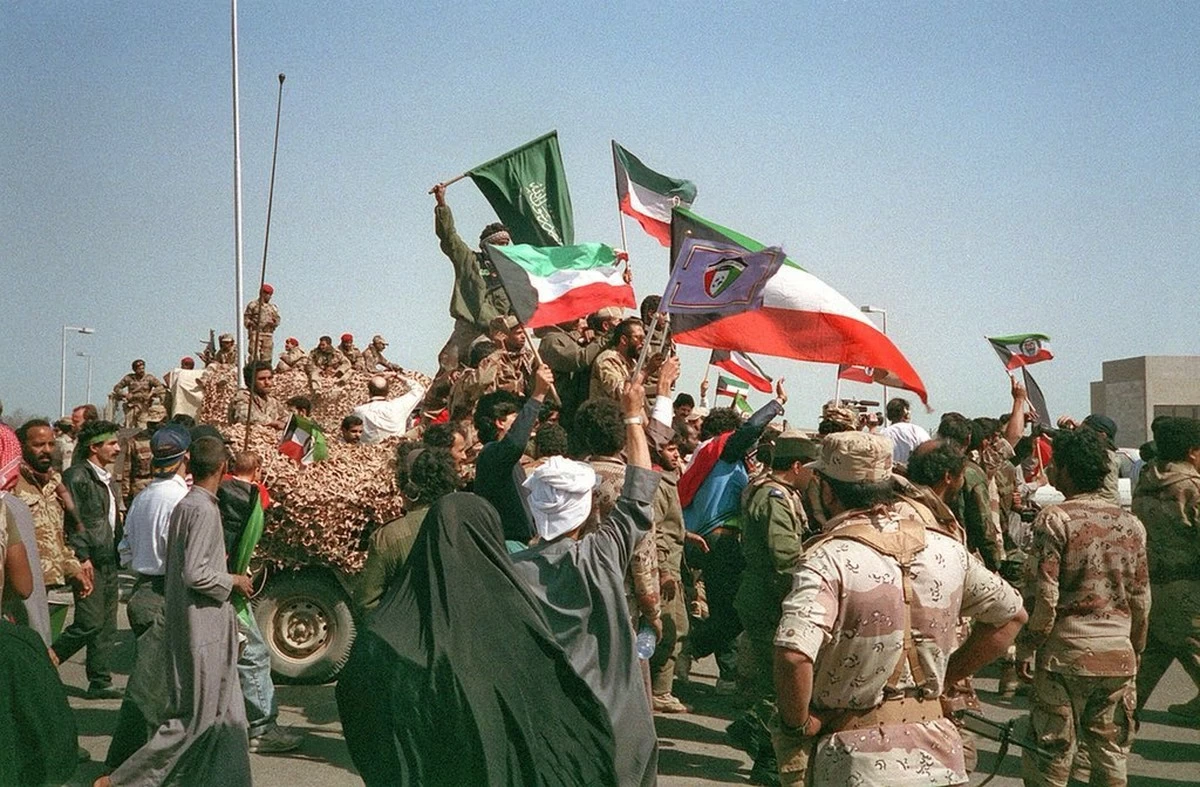
Global media highlighted Kuwait’s liberation as a triumph for the rules-based international order. Television networks broadcast the raising of the Kuwaiti flag and the resumption of state institutions. Legal experts cited the operation as a precedent in implementing Security Council resolutions through a multinational force with a clear mandate.
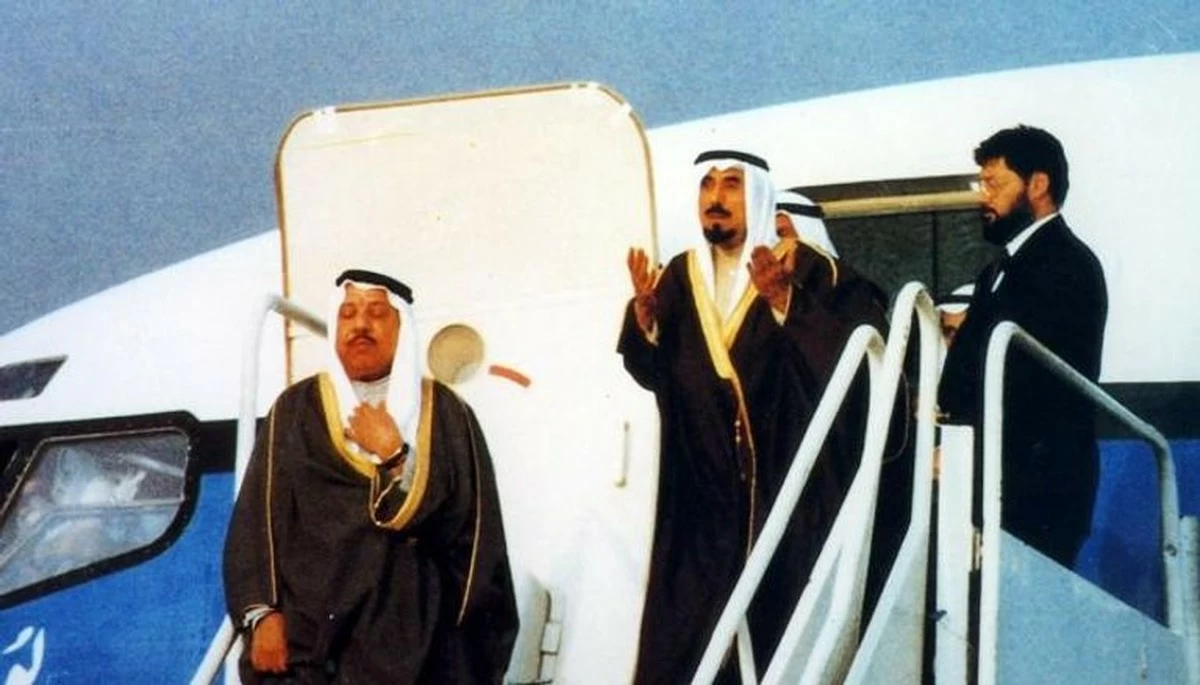
National Unity and ReconstructionWithin Kuwait, the liberation underscored remarkable national unity between the leadership and the people. The return of the late Emir Sheikh Jaber Al-Ahmad Al-Jaber Al-Sabah marked the beginning of a new era of reconstruction and development. The liberation of Kuwait is etched in national memory as a cornerstone of modern Kuwaiti identity and a testament to the power of a determined people defending their sovereignty and dignity.