


09/04/2026

Share:
09/04/2026
Share:

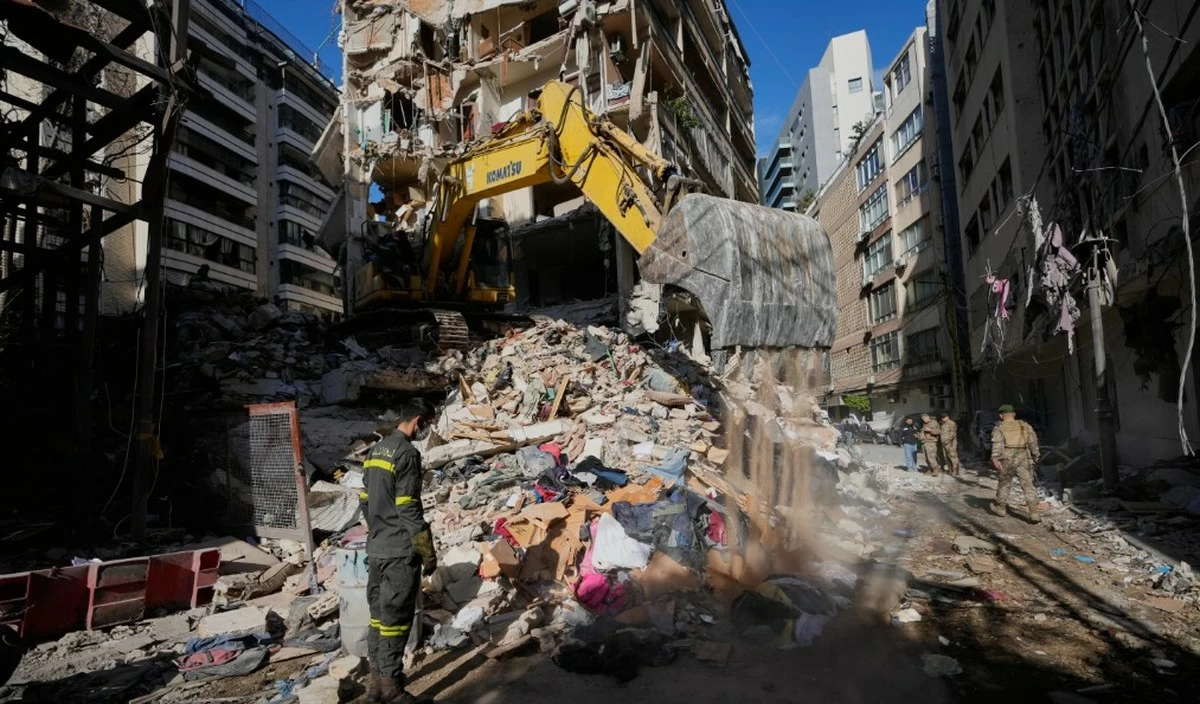
A Lebanese civil defense worker looks on as an excavator operates on the rubble of a building destroyed in an Israeli airstrike a day earlier in Beirut, Lebanon, Thursday, April 9, 2026. (AP Photo/Hussein Malla)
BEIRUT (AP), Apr 9: Lebanon reeled Thursday after the deadliest day in more than five weeks of renewed war between Israel and the Iranian-backed Hezbollah militant group, as rescue workers in Beirut and elsewhere searched for survivors and Israel warned of escalation.
Iran’s parliament speaker, Mohammad Bagher Qalibaf, warned that continued Israeli attacks on Lebanon would bring “explicit costs and STRONG responses,” while insisting that a two-week ceasefire in the Iran war extended to Lebanon. Israel has disagreed.
Israeli strikes on Wednesday without warning killed at least 203 people and wounded more than 1,000, Lebanon’s health ministry said. Israel’s military said it targeted Hezbollah sites, but several strikes hit densely packed commercial and residential areas during rush hour, leading to widespread civilian casualties. Lebanese President Joseph Aoun called the attacks “barbaric.”
Israeli strikes continued targeting southern Lebanon on Thursday. Israel also said it had killed an aide and nephew of Hezbollah leader Naim Kassem, Ali Yusuf Harshi, in the strikes. Hezbollah did not immediately comment.
In Beirut, people waited anxiously on the ragged edges of search and rescue work, covering their faces from the dust. Exhausted firefighters sat on a charred car amid collapsed buildings.
Lebanese Civil Defense spokesperson Elie Khairallah told The Associated Press that a wounded woman was found alive under the rubble overnight in the seaside neighborhood of Ain Mreisseh, and a man was found alive in his collapsed apartment building in the southern suburbs.
Mohammad Chehab, a Syrian man from Deir el-Zour, said six of his 10 family members had been found dead in a destroyed building.
“They’ve been searching all day” for the rest, he said.
At hospitals, survivors and doctors described the carnage.
“I thought I was dead. What happened? A big flash of light struck my face and eyes and I found someone flying over and landing next to me. He was dead,” said Rabee Koshok from his bed at Makassed hospital in Beirut. He had been in the commercial district of Corniche al Mazraa when a strike hit a nearby building.