



25/04/2026

Share:
25/04/2026
Share:

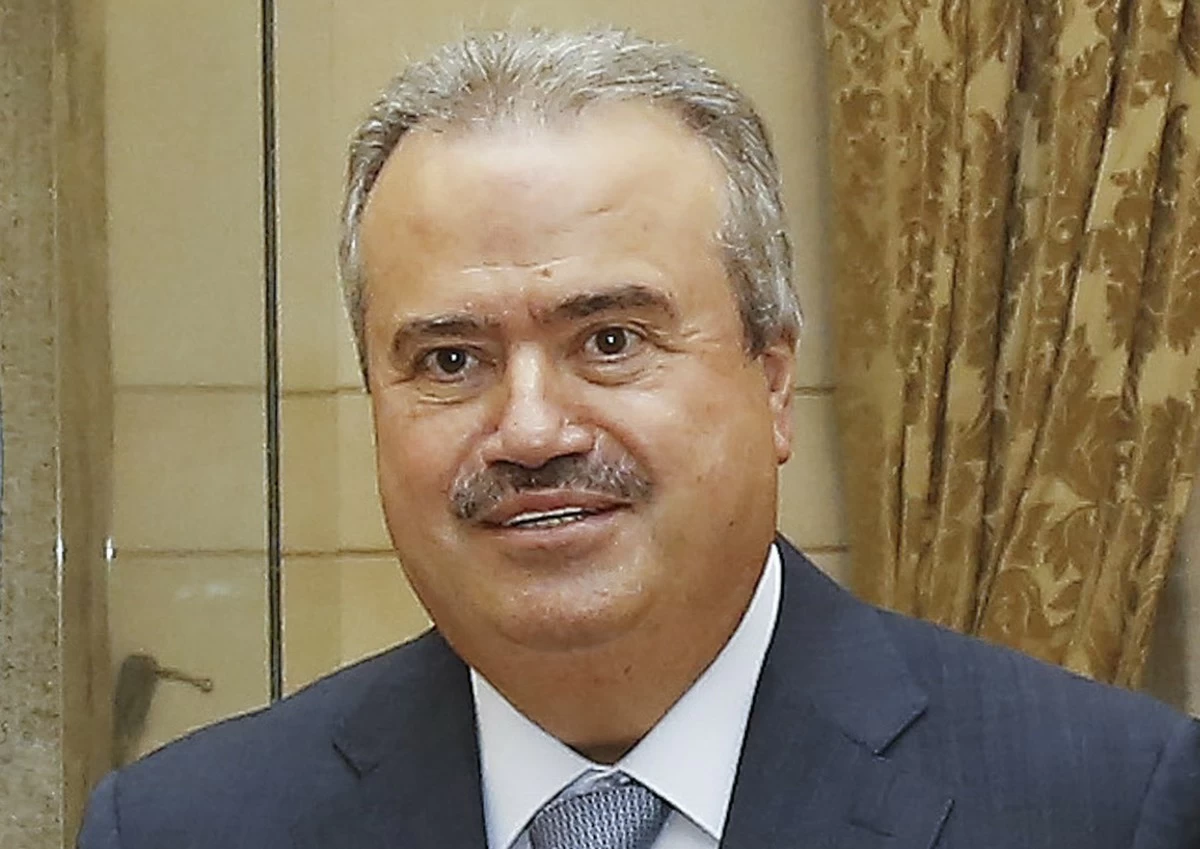
Lebanese Finance Minister Yassin Jaber
KUWAIT CITY, April 25: Despite the series of economic and financial reforms adopted by Lebanon last year, even before the start of the current war, the Israeli attacks have caused significant losses that have negatively impacted the Lebanese economy, in addition to the human toll. In this regard, Lebanese Finance Minister Yassin Jaber denied in his recent statements that Lebanon had received $1 billion from the International Monetary Fund (IMF). He explained that during its spring meetings with the IMF and the World Bank, Lebanon received only moral support, without any material assistance to support the Lebanese economy in its current circumstances.
The World Bank believes Lebanon, in its current situation, does not meet the conditions and criteria for financial support, and therefore, Lebanon has not yet reached an agreement on a cooperation program. Regarding the cost of the destruction of Lebanese villages during the current war, Minister Jaber said, “It is currently difficult to determine the cost of the destruction of Lebanese villages in the south, given the ongoing war, which has affected 55 villages and towns in southern Lebanon. Some villages, such as Bint Jbeil, Ben Leif, and others, have been completely destroyed. The cost of reconstruction after the war ends will be enormous.”
He questioned whether it is possible for Lebanon to bear such a high cost alone, especially since the Lebanese economy is still suffering from the repercussions of the 1967 war, which was further devastated by Israeli attacks in 2004, revealing that the World Bank estimated the direct and indirect costs at approximately $14 billion, in addition to addressing the issue of Eurobonds. Minister Jaber highlighted that a survey conducted by the World Bank in cooperation with the Research Center to assess the extent of damage to villages estimated the cost of the first three weeks of the war at approximately $1.5 billion.
He said although the World Bank refused to provide financial support to Lebanon at present, it agreed to reschedule previous loans due to the emergency situation caused by the war. Minister Jaber explained that Lebanon discussed with the World Bank the possibility of redirecting a portion of its previous loans to support social safety nets, in addition to allocating a $250 million loan and another loan from the AFP to rebuild bridges destroyed during the war. Lebanon has not received any financial support to assist displaced families, unlike during the 2014 war, especially considering that humanitarian aid at that time reached $700 million.
Lebanon was unable to raise the $300 million needed in the UN appeal for aid. Despite the surplus achieved by the State Treasury last year, even before the war, due to improved tax collection and the fight against tax and customs evasion, the war led to a decline in public treasury revenues of approximately 40 percent in March. He highlighted that the continuation of the war in Lebanon will inevitably increase pressure on the balance of payments. Nevertheless, Minister Jaber affirmed the stability of the exchange rate in the medium-term and short-term, given the measures Lebanon is taking to combat money laundering and the financing of terrorism through the mechanisms adopted by the Central Bank of Lebanon for selling Lebanese pounds for dollars, or through private banks. He stressed that Lebanon is making significant efforts to reduce the size of its cash-based economy.
Minister Jaber revealed that he is coordinating on a daily basis with Salim Khalil and Lebanese banks that are working with the Central Bank of Lebanon to regulate the sale of Lebanese lira against the US dollar and to maintain financial stability. He expressed regret that the current war continues at a time when Lebanon is trying to address the issue of returning depositors’ funds. The minister also expressed his gratitude to the Kingdom of Saudi Arabia for its efforts to stop the war in Lebanon and maintain civil peace. He also praised the American role in stopping the war and reaching the current truce. In conclusion, Minister Jaber emphasized the need to support the Lebanese Army so that it can carry out its assigned tasks, noting that the success of the ceasefire will remain contingent on the commitment of both parties.
Al-Seyassah/Arab Times Special Report