



16/10/2026

Share:
16/10/2026
Share:
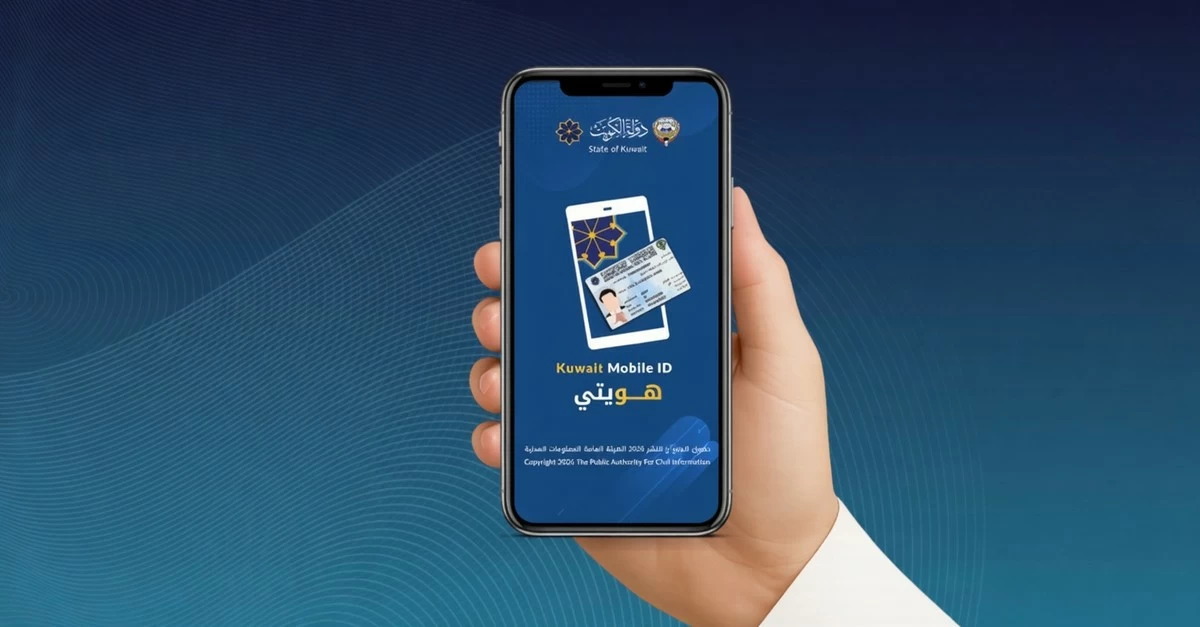

KUWAIT CITY: A Lebanese resident reportedly lost nearly his entire bank balance after falling victim to an online scam in which an unknown caller used detailed information about his occupation and his parents’ planned visit to Kuwait to convince him to approve an authentication request through the “Kuwait Mobile Identity” app.
The incident comes as the General Department of Criminal Investigation, represented by the Cybercrime Department, has urged citizens and residents to avoid clicking on untrusted links received through WhatsApp and social media.
In an awareness bulletin published on its official account yesterday, the department warned that many internet links are malicious and designed to steal money or obtain personal and sensitive information.
According to the Lebanese resident’s account, the incident occurred at around 8:30 am last Tuesday, when he received a call from an unknown person who asked whether he was arranging a visit visa for his parents to come to Kuwait.
After the resident answered yes, the caller claimed that the application had been rejected because the biometric fingerprints were outdated.
When the resident asked how the problem could be resolved, the caller told him that an authentication request would be sent to arrange an appointment to update the fingerprints.
The resident subsequently received a request through the “Kuwait Mobile Identity” app. Believing it was connected to an official procedure, he approved it.
Minutes later, he began receiving a series of messages indicating withdrawals totaling KD25.
When he attempted to access his bank account, he discovered that his password had been changed. After regaining access, he found that his balance had fallen to just 900 fils.
The resident stressed that he had not given the caller any banking information or verification code. When he contacted his bank to inquire about the transactions, he was informed that he had been the victim of fraud.
What particularly alarmed him was the caller’s apparent knowledge of his occupation and details about his parents’ planned visit to Kuwait. This information made the call appear credible and reinforced his belief that he was dealing with someone connected to an official transaction.
The resident said he suspected that the fraudsters had obtained his personal information from another source or that someone familiar with his circumstances might have disclosed it. However, the source of the information was not established in the account.
The incident highlights the risks of trusting unsolicited calls that refer to genuine personal circumstances and of approving digital authentication requests without independently verifying their purpose.
The Cybercrime Department has urged citizens and residents to exercise caution when dealing with untrusted links received through WhatsApp and social media, warning that such links can be used to compromise personal information and financial security.