


14/04/2026

Share:
14/04/2026
Share:


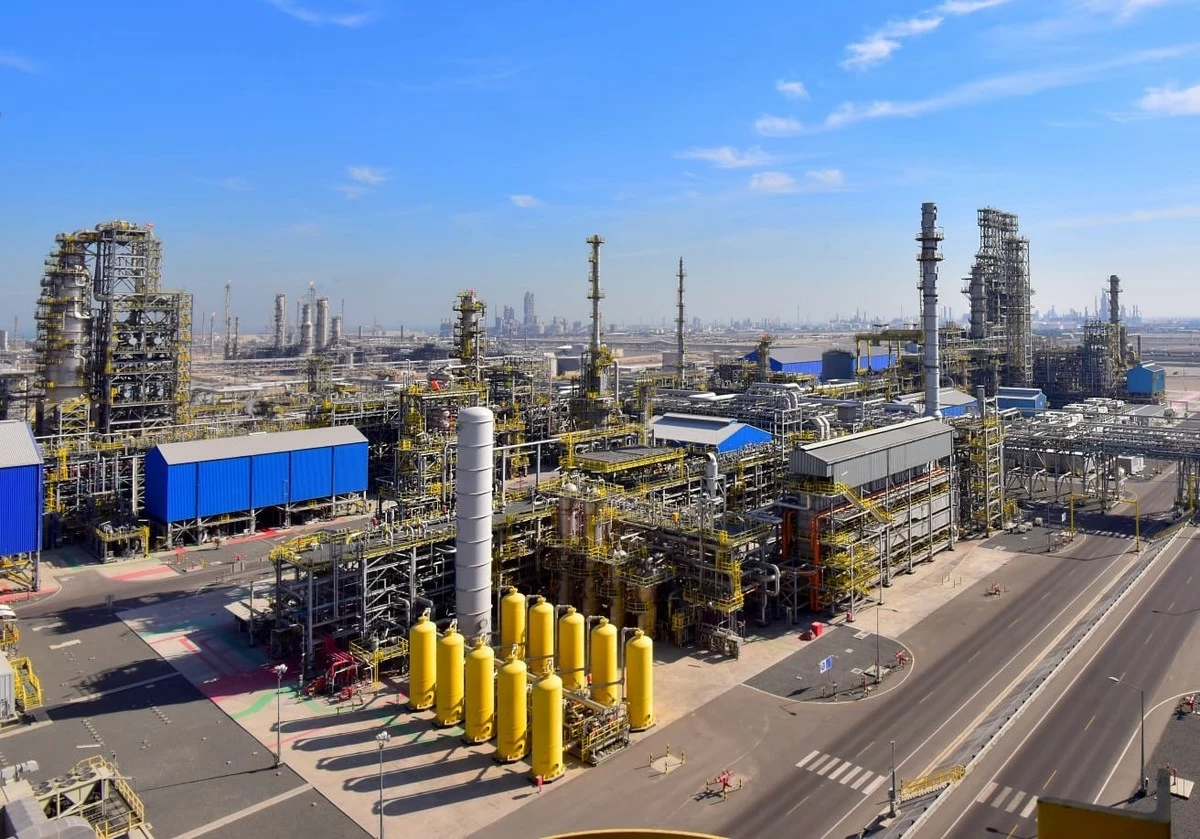
Ahmadi refinery
KUWAIT CITY, April 14: Questions remain regarding the actual impact of the war on the oil sectors of Kuwait and the entire Gulf region after the announcement of the Middle East ceasefire. Many were wondering how much time is needed for production to rebound to levels seen before Feb 28, as the regional damage has been extensive, including the closure of gas-to-liquids (GTL) facilities, refineries, and liquefied natural gas (LNG) units.

Al-Harami explained that returning field production to pre-Feb 28 levels depends on the speed at which malfunctions in damaged facilities are resolved. He said this situation is unprecedented for Kuwait, as its wells have never previously halted production for 40 days or longer. To ensure a smooth restoration of the oil flow, he emphasized the necessity of involving major international firms with the specialized expertise and technology required to fix complex malfunctions. Although the recent production halt at the Burgan field—one of the largest oil fields globally—is not expected to cause a significant long-term impact on its output, Al-Harami stressed that advanced global technology is vital.
He pointed out that Burgan used to produce 70 percent of the output of the Kuwait Oil Company (KOC) and this has recently reached 60 percent below. He said Kuwait must benefit from the capabilities of international oil giants to restore full production capacity, as traditional private contractors lack the sophisticated tools needed for such major oil-related issues. He also highlighted the importance of engaging these companies for onshore and offshore exploration at Failaka Island, considering their potential to help Kuwait achieve a daily production target of four million barrels.
Meanwhile, Audun Martinsen, Head of Supply Chain Research at Rystad Energy, stated that rehabilitating Gulf oil facilities is a complex process, adding that some assets may recover in months, while others could remain offline for years. He expects the operators to focus on restoring existing fields, driving demand for original equipment manufacturers (OEMs) and engineering contractors with regional experience. He thinks that initial efforts will likely involve site preparation, engineering and inspection, followed by construction and equipment replacement as procurement restrictions are eased. International reports suggest that shutdowns lasting several months can impair field pumping due to technical, operational and economic damages.
Challenging fields, in particular, may require extended efforts to reach former production levels. Current estimates indicate that regional production recovery could take around three months to more than a year, as prolonged inactivity can lead to well-pressure issues and enormous damage. Surface and subsurface equipment will require costly and complex maintenance before Kuwaiti production can resume fully.
By Najeh Bilal Al-Seyassah/Arab Times Staff