


31/10/2026

Share:
31/10/2026
Share:

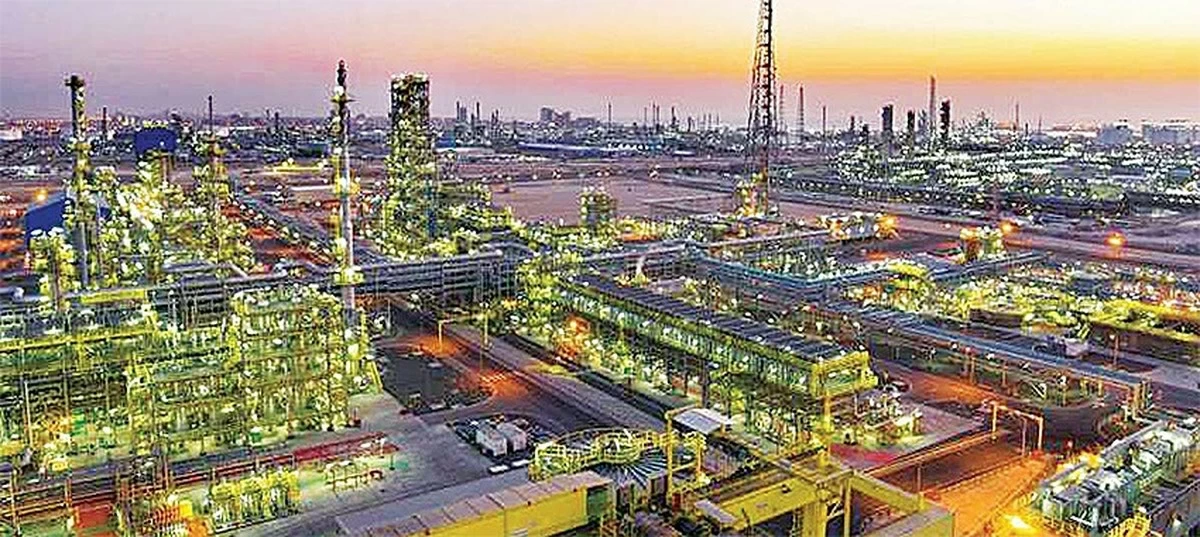
Kuwait’s oil industry owns more than six refineries globally, three of which are in Kuwait. The remaining three are located in Oman, Vietnam, and Italy, in partnership with local oil companies. The latest of the three refineries, Al-Zour Refinery, features the latest technology and has a capacity of 650,000 barrels per day. It is directed towards exporting refined products to both Asia and Europe. Almost all its products are committed to end consumers, reflecting the nature of Kuwait’s oil industry, which focuses on long-term commitments without intermediaries.
This is why Kuwait invested in developing its refining industry ahead of all OPEC countries and other nations. Back in October 1960, the private sector invested 40 percent, while the remaining 60 percent was owned by the Kuwaiti government. The overall aim is to maintain direct contact with end consumers, whether of motor gasoline or heating oil, as demonstrated by its overseas Q8 stations in Europe and Thailand, provided their operations are profitable and generate added value for their ultimate shareholder, Kuwait Petroleum Corporation (KPC). It is not hesitant to withdraw from any unprofitable business. Its performance is monitored by the State Audit Bureau and, sooner or later, by Parliament, with no escape from auditing at any time. It is surprising to learn that Kuwaiti private businessmen agreed to participate in building a refinery despite having limited knowledge of major projects and their technology. At the time, we in Kuwait were unfamiliar with the complexity of refining operations and the detailed technology involved. Shareholders placed their trust in bringing in the best global expertise in oil refining. As a result, Kuwait today owns and operates six refineries inside and outside the country, with other shareholders trusting KPC’s global experience in oil refining.

Kamel Al-Harami
This has resulted in benefits, profits, and valuable long-term international experience. Producing and selling crude oil should always be the first step towards entering the oil industry, followed by building a refinery of any type to meet local demand for finished petroleum products. Although this may initially be expensive, an assessment of its longterm benefits shows that they far exceed the initial costs. It also provides an opportunity to train nationals and develop new business knowledge and experience. This is what Kuwait did, and what BP and Gulf Oil did after obtaining their concessions - they pursued opportunities to generate added value while meeting all local requirements for finished petroleum products. This was where the private sector began to recognize the benefits and seek a share of this new added value from the government. This was later refl ected in the construction of the Shuaiba Refinery, in which the private sector invested 40 percent of its own money and wealth.
The private sector did not stop at Kuwait National Petroleum Company (KNPC). It went on to invest in oil tankers and later established a petrochemical company. Eventually, the entire oil industry in Kuwait was taken over by the Kuwaiti government. This does not mean that the private sector is no longer interested or eager to re-enter the oil sector in full. It is an opportunity for the government to consider privatizing part of the oil industry, as it did in the past. Rather than borrowing from external financial institutions, the government could take advantage of strong oil prices and benefit from this current golden opportunity. Global oil prices are ranging between $104 and $129 per barrel, while Kuwait crude oil is priced at $114 per barrel, exceeding the budget estimate by $19. It is time to consider selling a small stake of less than 50 percent in the oil industry, while ensuring that the government retains control, as it did in the past with Kuwait National Petroleum Company (KNPC), Petrochemical Industries Company (PIC), and Kuwait Oil Tankers Company (KOTC). This would eliminate the need for borrowing.
By Kamel Al-Harami Independent Oil Analyst
email: [email protected]
email: [email protected]