


23/03/2026

Share:
23/03/2026
Share:
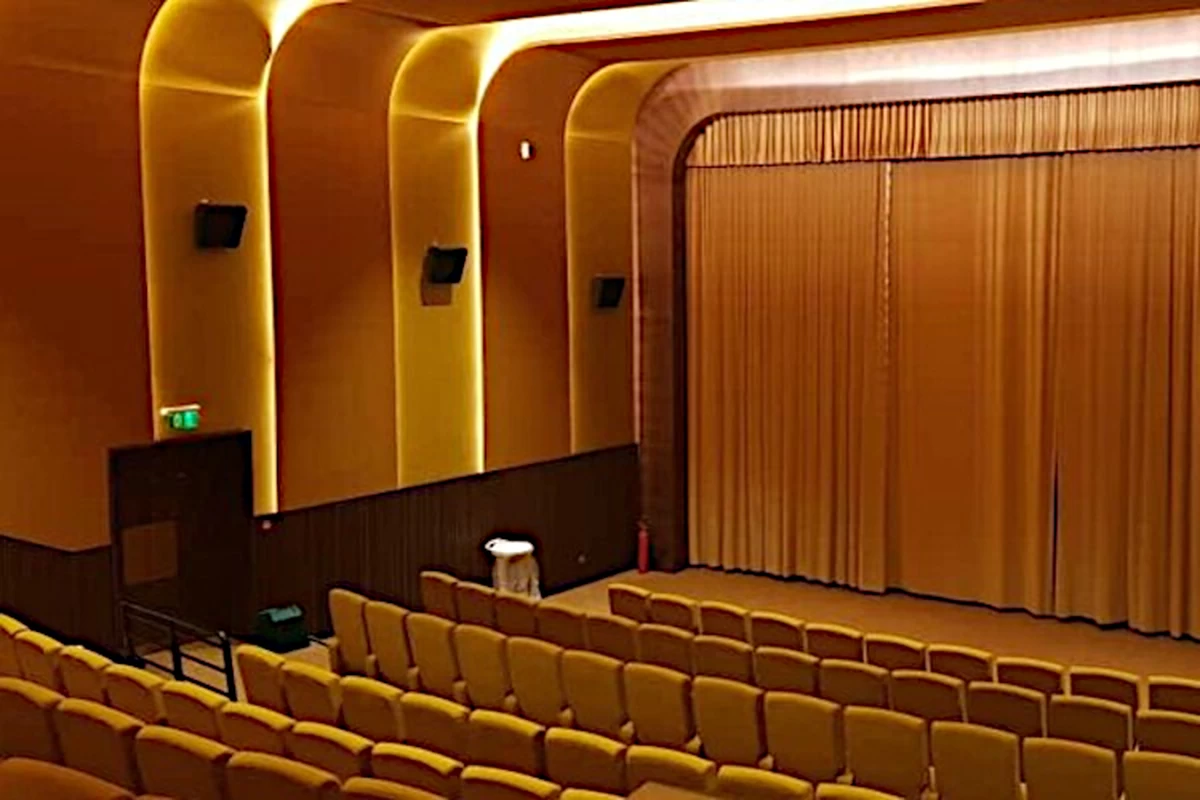

KUWAIT CITY, March 23: Artistic events during Eid Al-Fitr in Kuwait, other Gulf countries and many other Arab nations are almost nonexistent due to the current situation in the region. Despite the value of theatrical performances and concerts, which used to be the main attractions for the public during this occasion, they have completely disappeared. Other activities that used to bring joy to the public have vanished, replaced by a sense of community, solidarity, social cohesion and family visits – a phenomenon many of us have been missing.
Theater in Kuwait has a unique charm, a powerful presence and a popularity unmatched by any other Arab country. Dozens of plays are shown during Eid and all of them were sold out. This enduring appeal surprised theater professionals throughout the Arab world, who marveled at the strength and widespread appeal of Kuwaiti theater and the audience’s attachment to it. There was a remarkable categorization of theater: adult theater, presented by Abdulaziz Al-Musallam who is distinguished by his unique school of horror theater; social comedy by Tariq Al-Ali, comedy by Hassan Al-Balam, alongside Ahmed Al-Awnan, Abdul Nasser Darwish and other stars, youth theater or the new generation presented by Bader Al-Shaabi, Mubarak Al-Mana, Mohammad Al-Hamli, Abdullah Abdul-Redha, Shujoun and others; and children’s theater, presented by numerous artists.
This diverse range of theatrical productions during holidays and special occasions sometimes extended to other Gulf countries. Many Kuwaiti stars performed in Saudi Arabia, Bahrain, United Arab Emirates (UAE), Qatar and Oman. All of this came to a halt during Eid Al-Fitr in Kuwait and other Gulf states this year. Similarly, concerts, which were held in numerous theaters and drew large audiences, also ceased. Many Arab stars stopped performing in the region, but the most positive aspect is that current circumstances have led to a significant increase in social interaction.
People have become more concerned for one another, strengthening communication and social bonds. Families and friends are checking on each other, a phenomenon we greatly missed in recent years due to social media and a new culture that has alienated us from one another. We hope that the theater will return and that social cohesion and communication will continue.
During Ramadan, actor Mustafa Shaaban presented the series ‘Darsh’ alongside actor Riad El-Khouly and a group of other actors. The series revolves around the character of Darsh, who suffers from a mental illness. He has multiple personalities, and in each episode, a new character appears in his life, each with their own social connections, including a wife and a full life.
The way these characters are interwoven in the storylines confuses the viewer, who forgets Darsh’s connection to so many other personalities. Should the viewer believe Dr. Sameh, the hospital owner? Or Eng. Mohammad, the construction company owner and real estate developer? Or Darsh, the perfumer? Or George, the Christian? Or Sheikh Wafa, the healer? Or Abu Sana, the drug dealer? This multitude of characters contributes to the fragility of the narrative and creates a significant gap for the viewer, who is distracted by the overly dense script. While it may be tempting for an actor to portray so many characters in a single drama, it also requires a discerning audience to interpret the events.
Therefore, many viewers stopped watching it after the first few episodes, and it became one of the less popular shows during Ramadan. The month of Ramadan has ended, along with the drama productions. It has become clear that the ongoing war has affected many drama productions, as viewers have not seen any outstanding drama productions, whether in the Gulf or the Arab world. It seems that the general mood in the Arab world did not accept all the shows.
By Mufreh Hijab Al-Seyassah/Arab Times Staff