



15/09/2026

Share:
15/09/2026
Share:
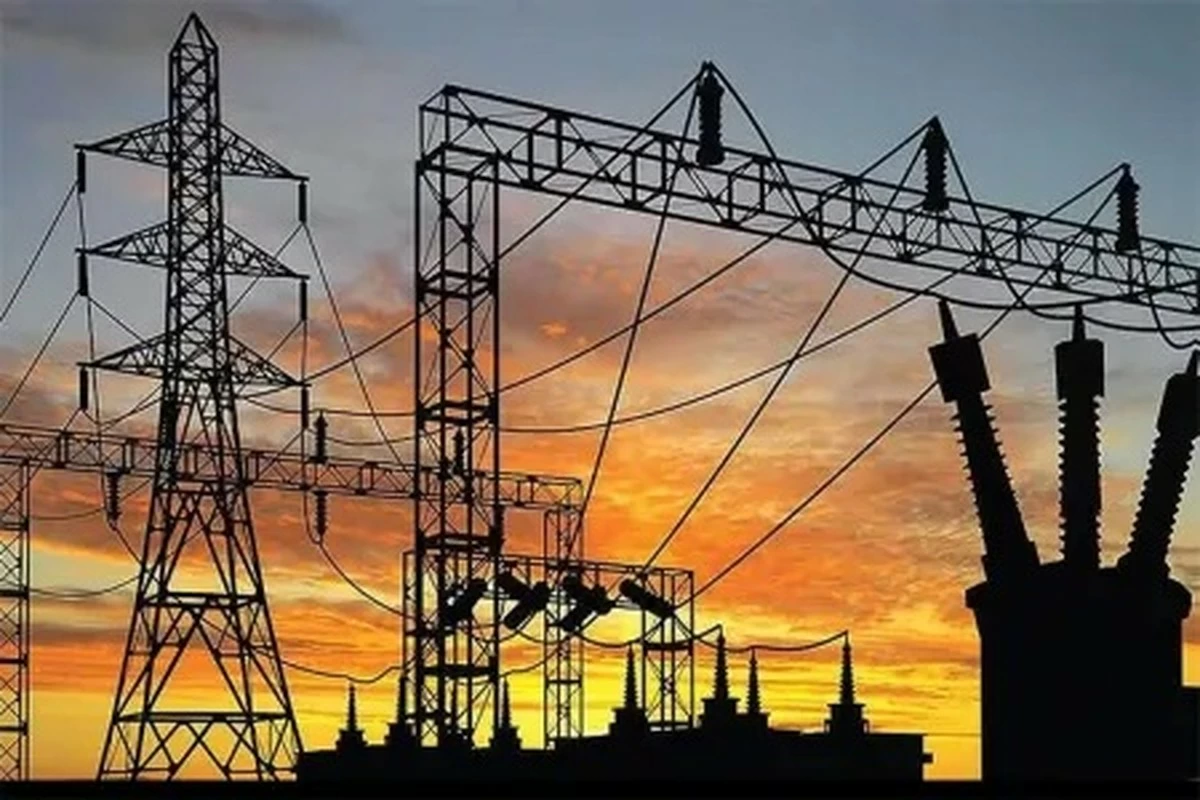

KUWAIT CITY, Sept 15: Minister of Electricity, Water, and Renewable Energy Dr. Subaih Abdulaziz Al-Mukhaizeem confirmed that the national electricity grid successfully navigated the summer of 2026, recording a peak load of 17,540 megawatts, a decrease of 70 megawatts compared with the summer of 2025. This marks the second consecutive year of declining peak loads, despite urban expansion and the addition of new loads to the grid. Dr. Al-Mukhaizeem noted that the peak load was 17,610 megawatts in the summer of 2025, down from 17,640 megawatts in 2024. He explained that the continued decline reflects improved consumption efficiency and the effectiveness of demand-side management measures, particularly during peak hours. New electrical loads added to the grid totaled 1,059 megawatts between the summers of 2024 and 2025, and 1,019 megawatts between 2025 and 2026, for a total of 2,078 megawatts over two years.
Despite this increase, the peak load this summer remained lower than the levels recorded in the preceding two years. Regarding load management, Dr. Al-Mukhaizeem explained that measures taken during the summer season directly helped alleviate pressure on the electrical system. These measures included reducing government office hours by one hour, curtailing factory production lines during peak periods, and implementing the national energy and water conservation campaign, “Wafir” (Save). He commended the cooperation of citizens, residents, government and private entities, and the media with conservation efforts, emphasizing that this collaboration helped reduce electricity demand during peak hours and supported grid stability and service continuity.
Dr. Al-Mukhaizeem noted that the Wafir campaign expanded its community outreach this year through partnerships with government and private entities, as well as through programs, lectures, activities, and awareness messages. He indicated that these efforts fostered a culture of responsible electricity and water consumption and reinforced the concept of shared responsibility in preserving the state’s resources. Dr. Al-Mukhaizeem explained that the summer season of 2026 unfolded under exceptionally difficult circumstances due to regional developments and Iranian attacks that targeted parts of the electricity infrastructure, including power generation and water desalination plants, fuel storage tanks, and overhead transmission lines. These incidents caused several generation units and system components to go offline, affecting production and operational capacities. The repercussions of these conditions extended to periodic and preventive maintenance programs, making it impossible to carry out certain tasks according to the original schedules. However, maintenance work on several units was gradually completed by the end of August.
The ministry’s teams and technical staff worked around the clock to repair the damage, restore affected units and facilities to service, and maintain system readiness, enabling the ministry to ensure service continuity and meet the state’s needs throughout the summer season. Dr. Al-Mukhaizeem stressed that consumption conservation is no longer merely a matter of public awareness, but it has become a key element complementing the state’s plans to enhance the security and sustainability of the electricity and water sectors. He affirmed the ministry’s continued commitment to implementing strategic projects aimed at increasing production capacity, upgrading transmission and distribution networks, and expanding renewable energy initiatives.
Dr. Al-Mukhaizeem noted that several strategic projects are currently in their final stages with the Kuwait Authority for Partnership Projects (KAPP), paving the way for implementation in a manner that keeps pace with urban, population, and economic growth, as well as the state’s future needs. He commended the national workforce and staff at power plants, monitoring and control centers, and emergency units, acknowledging their efforts in maintaining grid stability and service continuity under unusual operational conditions. Dr. Al-Mukhaizeem explained that the conclusion of the factory production curtailment period, which began on May 14 to alleviate electrical load, coincides with the start of the new academic year. This has prompted the ministry to intensify its preparations to ensure grid stability and meet the needs of schools and educational facilities
By Mohammed Ghanem Al-Seyassah/Arab Times Staff